
Kenya is paying an increasingly high economic price for degrading its natural ecosystems, with the losses now compounding the country’s vulnerability to climate change, a new study by the World Bank warns.
The report, The Economic and Financial Costs of Ecosystem Degradation in Kenya, finds that damage to forests, wetlands, rangelands and water catchments is quietly eroding national income, undermining livelihoods and weakening the country’s natural defenses against climate shocks such as droughts and floods.
According to the study, ecosystem degradation is cutting into economic productivity across key sectors, including agriculture, water, energy and tourism, all of which are heavily climate-sensitive.
The report links ecosystem loss directly to intensifying climate impacts, where degraded forests and catchments, for instance, reduce water retention and rainfall regulation, worsening both drought severity and flood intensity, a pattern Kenya has experienced in recent years.
Wetland destruction and riverbank encroachment have also reduced natural flood buffers, exposing communities and infrastructure to higher risks during extreme rainfall events.
At the same time, shrinking vegetation cover in arid and semi-arid lands is accelerating land degradation, making pastoralist systems more fragile in the face of prolonged drought.
“Nature loss is amplifying climate risk,” the report notes, pointing out that ecosystems act as critical “natural infrastructure” that Kenya can no longer afford to lose.
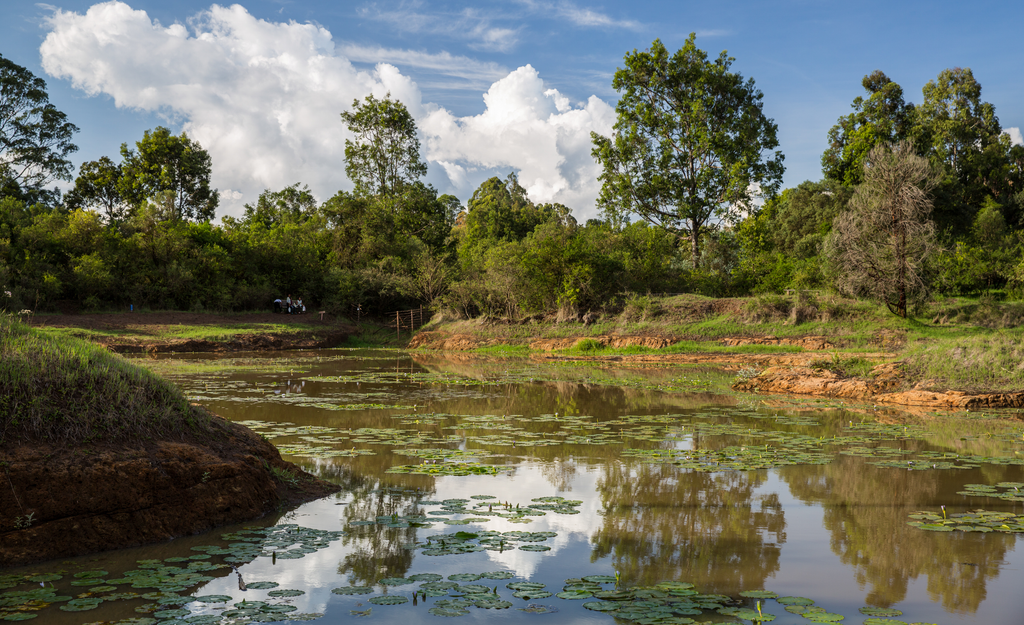
While exact figures vary by sector, the study estimates that Kenya is losing billions of shillings annually due to declining ecosystem services, ranging from reduced crop yields and livestock productivity to increased water treatment costs and disaster damage.
In agriculture, soil degradation and deforestation are lowering farm productivity, even as erratic weather linked to climate change places further pressure on food systems.
In the energy sector, reduced river flows, partly tied to degraded catchments, are affecting hydropower generation, increasing reliance on costly and polluting alternatives such as fossil fuels.
Tourism, another major foreign exchange earner, is also at risk as biodiversity loss threatens iconic landscapes and wildlife habitats.
According to the report, the burden of ecosystem degradation is falling disproportionately on rural communities, especially those dependent on rain-fed agriculture and natural resources.
In many parts of the country, households are being forced to travel longer distances for water and firewood, while declining pasture and soil fertility are driving income losses and, in some cases, conflict over shrinking resources.
The report highlights that these impacts are being felt most acutely in already climate-vulnerable regions, deepening inequality and undermining resilience.
Despite the grim outlook, the World Bank argues that restoring ecosystems could deliver significant economic returns while strengthening climate resilience.
Investments in reforestation, sustainable land management, wetland protection and climate-smart agriculture are identified as cost-effective solutions that can boost productivity, secure water supplies and reduce disaster risks.
The study calls for integrating natural capital into Kenya’s economic planning, including better valuation of ecosystem services and stronger enforcement of environmental regulations.
It also urges increased public and private financing for nature-based solutions, noting that the cost of inaction will far exceed the investments required to restore degraded landscapes.
The findings come at a time when Kenya is positioning itself as a regional leader in climate action, but continues to grapple with deforestation, land degradation, and rapid urban expansion.