
A new genetic study finds that the Turkana people of northern Kenya have evolved unique biological traits that enable them to survive prolonged dehydration, offering critical insights into human adaptation to extreme climates, even as rapid environmental and lifestyle changes pose new health risks.
The research analysed hundreds of genomes from Turkana communities and identified genetic variations that help the body conserve water and protect kidney function under conditions of chronic heat and scarcity.
Scientists say the findings highlight how long-term exposure to harsh, arid environments has shaped human biology, turning the Turkana into one of the clearest modern examples of climate-driven evolution.
The Turkana inhabit one of Kenya’s driest regions, where temperatures frequently exceed 35°C and access to water is limited. For generations, they have relied on pastoralism, consuming protein-rich diets and often going long periods without adequate hydration.
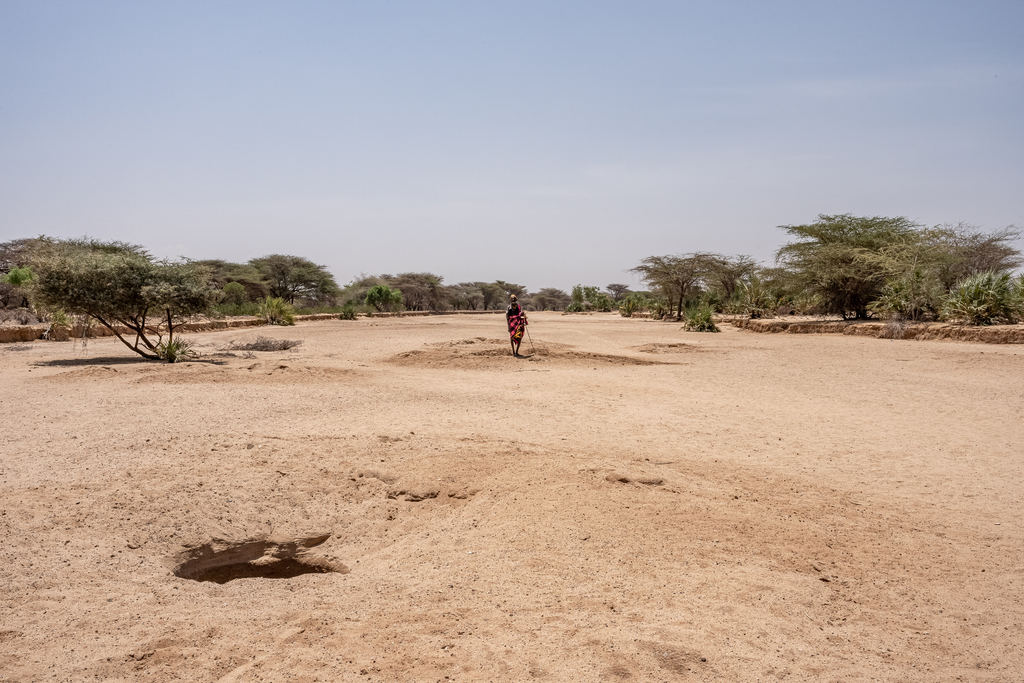
According to the study, specific genes linked to kidney function, particularly those regulating salt and water balance, have evolved to enable the body to retain fluids more efficiently. This allows many Turkana individuals to withstand dehydration levels that would typically lead to kidney injury in other populations.
Researchers noted that despite widespread signs of dehydration, cases of related complications such as kidney damage or gout remain relatively low within traditional Turkana communities.
The study traces these adaptations back thousands of years, to periods of increasing aridity across East Africa. As rainfall declined and landscapes dried, natural selection favoured individuals better suited to heat stress and water scarcity. Over time, these traits became embedded in the population’s genetic makeup.
Scientists say this process underscores the long-term relationship between climate and human evolution, demonstrating how environmental pressures can directly shape physiological functions.
However, the same research warns that these adaptations may now be turning into a liability as climate change intensify droughts across northern Kenya, undermining pastoral livelihoods and pushing more Turkana families to migrate to urban areas such as Lodwar, Eldoret, Kitae and Nairobi.
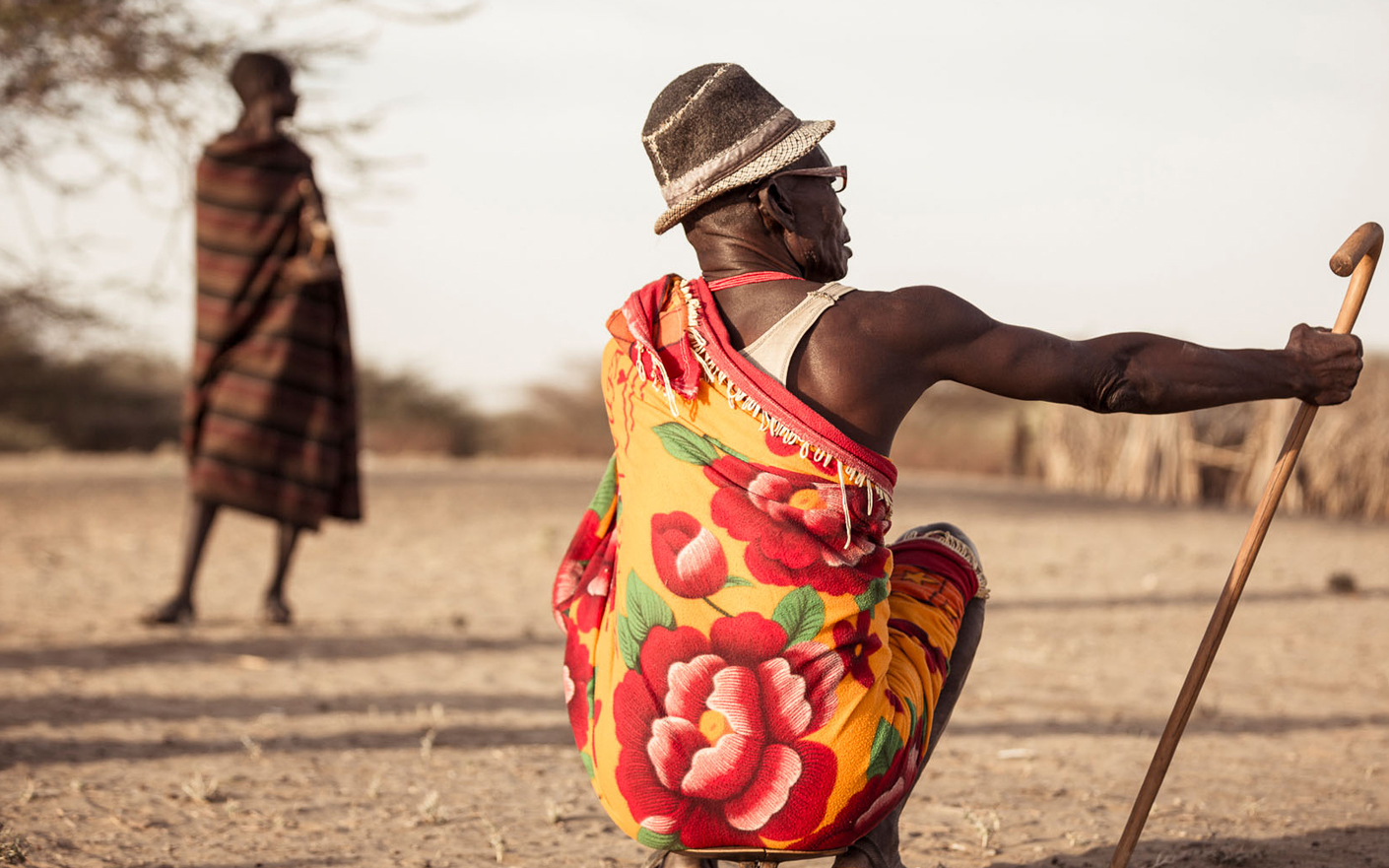
In urban settings, access to water improves, diets shift toward processed foods, and physical activity declines, creating a sharp break from traditional lifestyles. Researchers say this rapid transition is exposing Turkana populations to rising rates of non-communicable diseases, including diabetes, hypertension, and kidney disorders.
The shift reflects what scientists describe as an “evolutionary mismatch,” where traits that evolved for survival in one environment become harmful in another.
The findings come as global temperatures continue to rise, increasing the number of people exposed to heat stress and water insecurity.
Experts say understanding how the Turkana body manages dehydration could inform the development of new treatments for kidney disease and improve responses to heat-related illnesses worldwide.
At the same time, the study highlights the broader health risks associated with climate-driven displacement and lifestyle change, particularly for communities with deeply rooted environmental adaptations.
For Kenya, the research underscores the growing intersection between climate change, public health, and social transformation. As droughts intensify and migration accelerates, policymakers face the challenge of supporting vulnerable communities through both environmental and health transitions.