
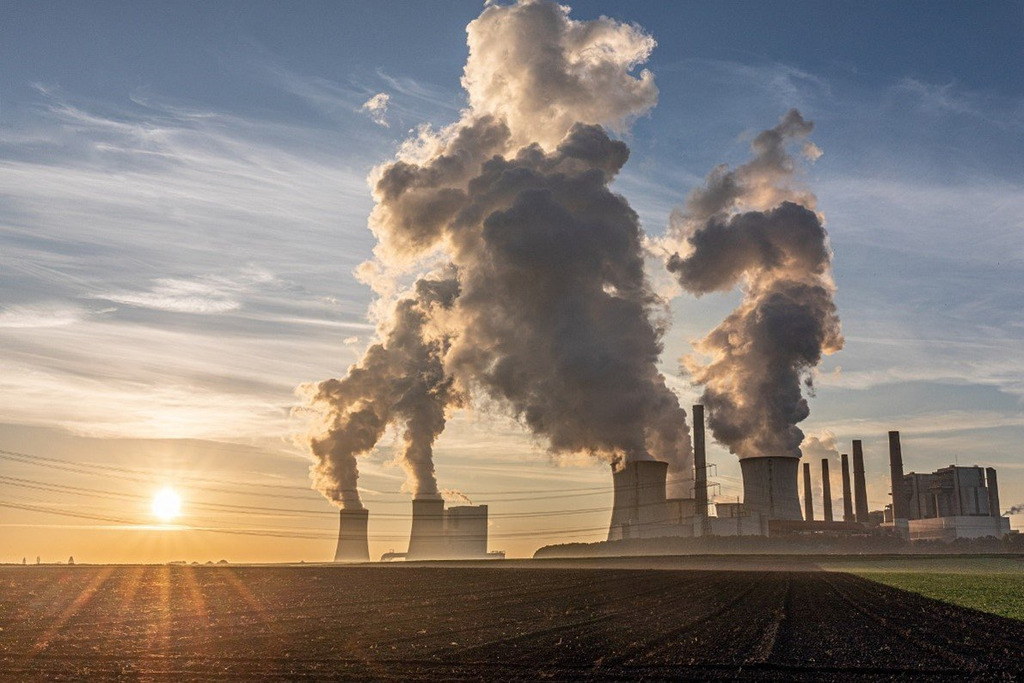

In a ward at Heideveld Community Day Clinic in Cape Town, South Africa, 78-year-old Evelyn Samaai pauses between sentences to take a deep breath, as she struggles to speak.
For more than a decade, she has lived with Chronic Obstructive Pulmonary Disease (COPD), a progressive illness that has slowly tightened its grip on her lungs.
“I get tired so quickly, and breathing, which to some may seem normal, is an uphill task,” she says. Years of smoking, she admits, played a role, a habit she wishes she had never picked up.
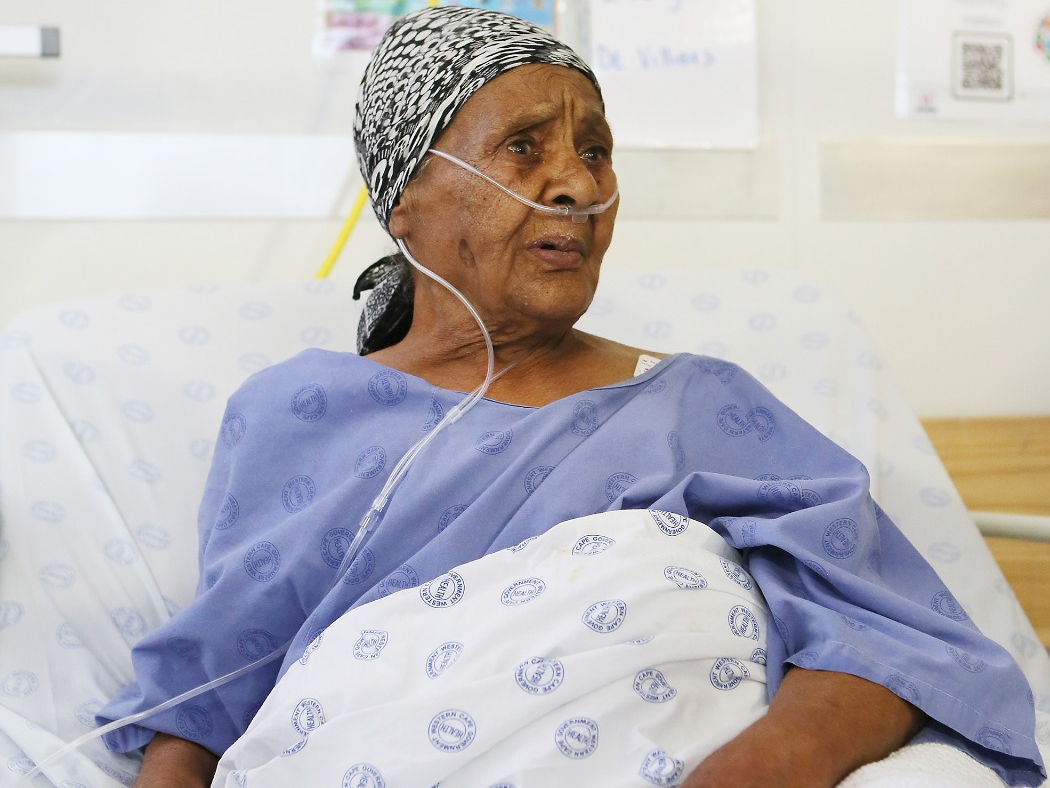
But her story is no longer unusual. In Africa, COPD is emerging not just as a smoker’s disease, but as a complex public health crisis shaped by lack of access to clean energy and weaker emissions standards.
Globally, chronic respiratory diseases are responsible for around 4.2 million deaths each year, making COPD the third leading cause of death worldwide after heart disease and stroke. According to the World Health Organisation (WHO), COPD affects hundreds of millions of people, yet remains largely overlooked in global health priorities.
“People are dying, and it’s like the leaves from the trees that fall every autumn, and nobody stops to see why the leaves are falling,” says José Luis Castro, the WHO Director-General’s Special Envoy on chronic respiratory diseases.
Despite causing more deaths than infectious diseases like HIV, tuberculosis, and malaria combined, chronic respiratory diseases have historically received less funding and attention. Castro argues that this imbalance reflects a deeper issue of how global health systems tend to react to crises that are immediate and visible, rather than slow-moving epidemics like COPD.
“Public health does not move at the speed of science. It moves at the speed of political will, and political will moves at the speed of public understanding.”
While smoking remains a major risk factor, Africa’s COPD burden is driven by a wider set of exposures. Across the continent, millions of households rely on biomass fuels, including firewood, charcoal, and crop waste, for daily cooking. According to the International Energy Agency (IEA), nearly 900 million people in Africa still depend on such fuels.
In Limuru, in Kenya’s highlands, Valia Njeri’s family lives this reality daily. Each morning, she lights a firewood stove in her small kitchen. Over time, the smoke has become part of life, with the sting in her eyes, the coughs from her children and the soot clinging to walls being a testament to their reality.
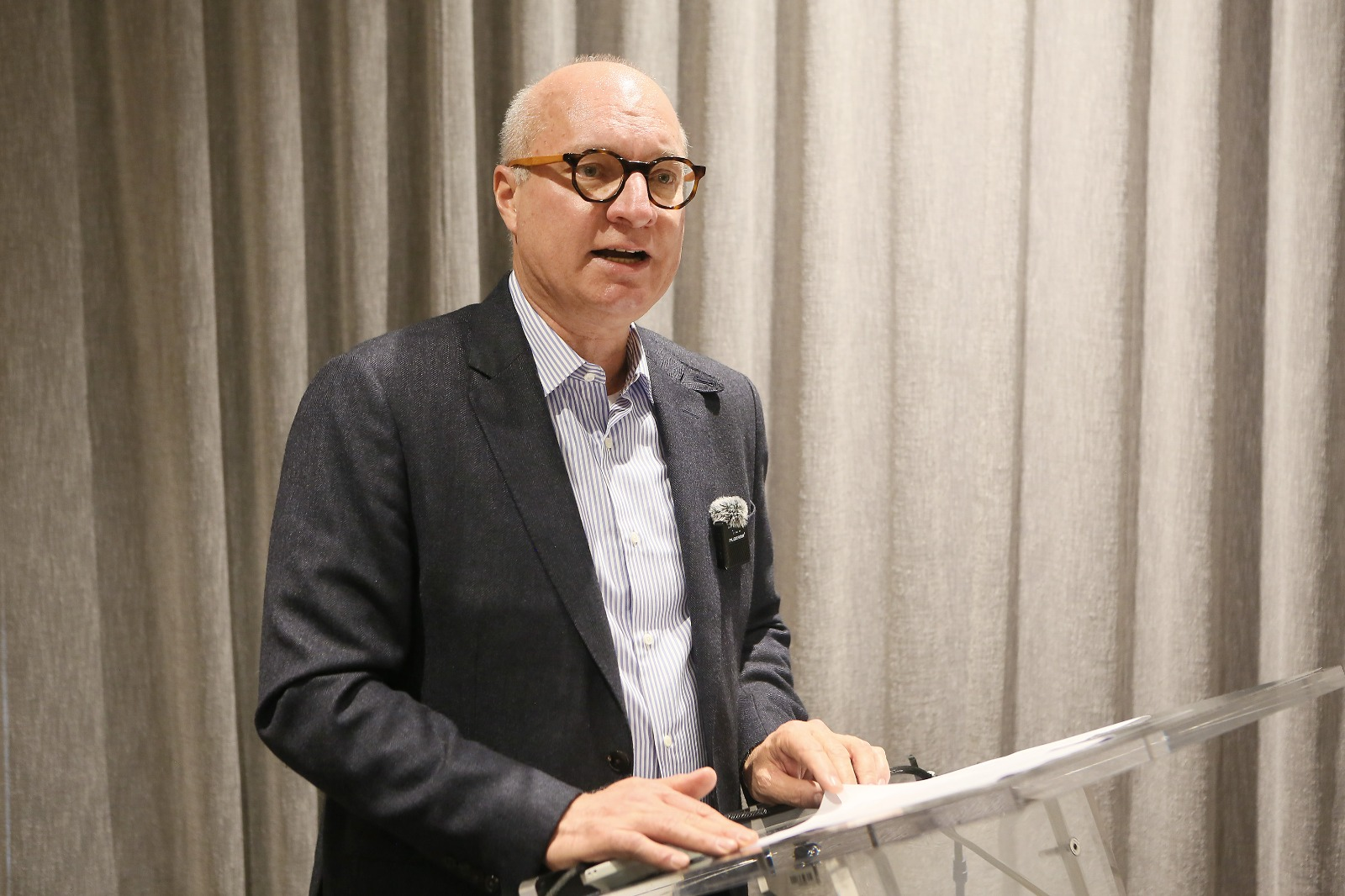
Professor Richard van Zyl-Smit, a pulmonologist at the University of Cape Town and Groote Schuur Hospital, explains that indoor air pollution is a major contributor to chronic lung disease in Africa: “There is no such thing as safe pollution, because everything in the air has the potential to damage the lungs.”
He points to the dual threat of particulate matter and toxic gases: “Air pollution is a mix of fine particles and chemicals like nitrogen oxides and sulphur dioxide, many of which are linked to cancer and chronic lung disease.”
These particles, especially fine particulate matter known as PM2.5, can penetrate deep into the lungs, causing long-term damage and inflammation.
In rapidly growing African cities, transport is another major contributor. Old, poorly maintained vehicles, often imported second-hand, emit high levels of pollutants. “Vehicles producing heavy smoke are a major contributor to air pollution,” van Zyl-Smit says.
The paradox, experts say, is that increased mobility, often seen as a sign of development, comes with rising exposure to pollution. Older vehicles from high-income countries are frequently exported to Africa, where weaker emissions standards allow them to remain in use.
This creates a dangerous mix in which urban residents inhale polluted air outdoors, then return home to homes filled with indoor smoke. Over time, the cumulative exposure significantly increases the risk of developing chronic respiratory diseases.
Another challenge is that distinguishing between Asthma and COPD is not always straightforward. “Patients themselves usually cannot tell the difference. “It takes time, careful history taking, and lung function testing,” van Zyl-Smit explains.
Asthma often begins in childhood, with symptoms that come and go, including wheezing, coughing, and shortness of breath. COPD, by contrast, develops slowly and progressively.
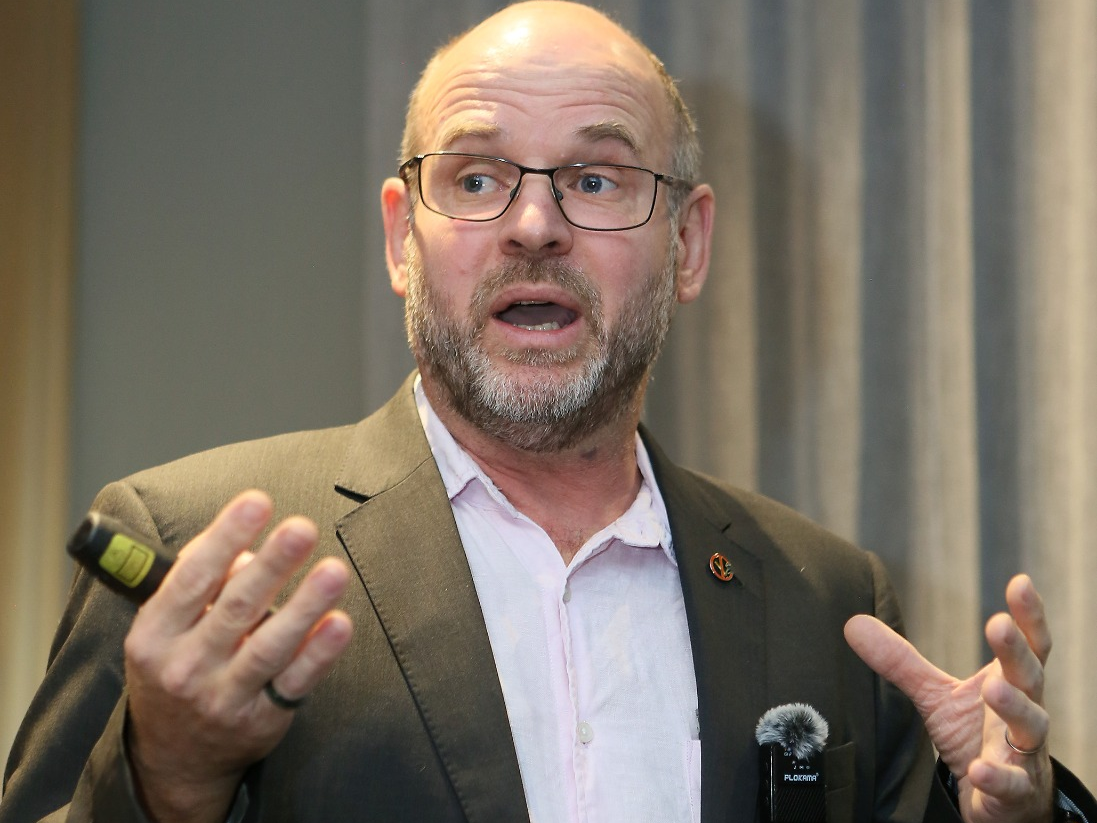
“COPD is insidious. People just feel increasingly breathless and unable to keep up with daily life,” he says.
In many African health systems, however, diagnosis is delayed. Primary care facilities often lack spirometers, which are essential tools for measuring lung function, and healthcare workers may not receive adequate training in chronic respiratory diseases.
This gap means many patients are diagnosed late, when the disease is already advanced and harder to manage.
For Castro, poverty is the root cause of COPD in Africa. “Poverty underpins many of these diseases, from dirty fuels to limited access to healthcare and nutrition.”
In many households, cleaner energy sources such as electricity or liquefied petroleum gas remain unaffordable or inaccessible. As a result, families continue to rely on biomass fuels despite the health risks.
Women and children are particularly vulnerable. “They are the most exposed because they spend more time around indoor cooking smoke,” van Zyl-Smit notes.
At the same time, limited access to healthcare means that even when symptoms appear, treatment may be delayed or unavailable. Inhalers, essential for managing both asthma and COPD, are included on the WHO’s essential medicines list, yet remain out of reach for many patients.
“Inaccessible medicines are not acts of nature. They are policy choices,” Castro says.
Against this backdrop, experts agree that tackling COPD in Africa requires a multi-layered approach. At the policy level, van Zyl-Smit says, stricter vehicle emissions standards, investment in cleaner energy, and improved urban planning can help reduce exposure to pollution.
“At the household level, simple interventions, such as improved ventilation, cooking outdoors, or installing chimneys, can significantly reduce indoor smoke,” he adds.
But perhaps most importantly, Castro insists, there is a need to strengthen primary healthcare systems. Early diagnosis and treatment can slow disease progression, improve quality of life, and reduce the economic burden on families and health systems.