

By Agencies
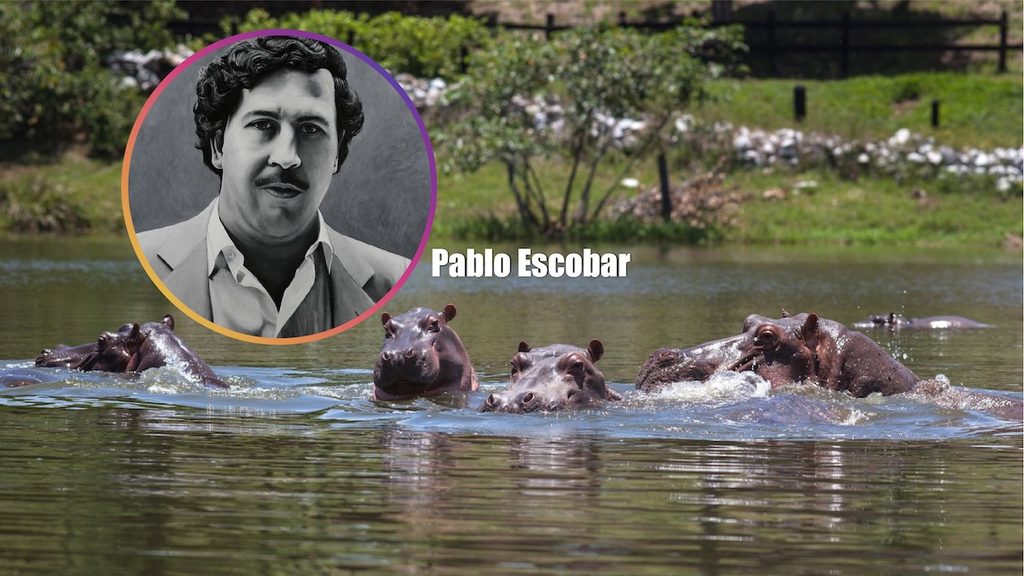
Colombia has authorized the culling of up to 80 hippos descended from animals illegally imported decades ago by notorious drug lord Pablo Escobar. Officials say the move is necessary to protect ecosystems and human life, but animal welfare groups have criticized it.
The decision marks the latest chapter in a bizarre and growing environmental dilemma rooted in Escobar’s private zoo.
In the 1980s, Escobar smuggled several exotic animals, including hippos, into his sprawling estate, Hacienda Nápoles. After he died in 1993, many of the animals were relocated. Still, the hippos, well adapted to Colombia’s warm climate and lacking natural predators, were left behind, and over the decades, their population has exploded.
The hippos have multiplied into a herd estimated at more than 150 animals, roaming freely along the Magdalena River basin. Colombian environmental authorities warn that without intervention, the number could exceed 1,000 within the next decade.
Officials say the animals pose increasing risks to nearby communities. Hippos are highly territorial and can be aggressive, especially when humans encroach on waterways where they graze and breed.
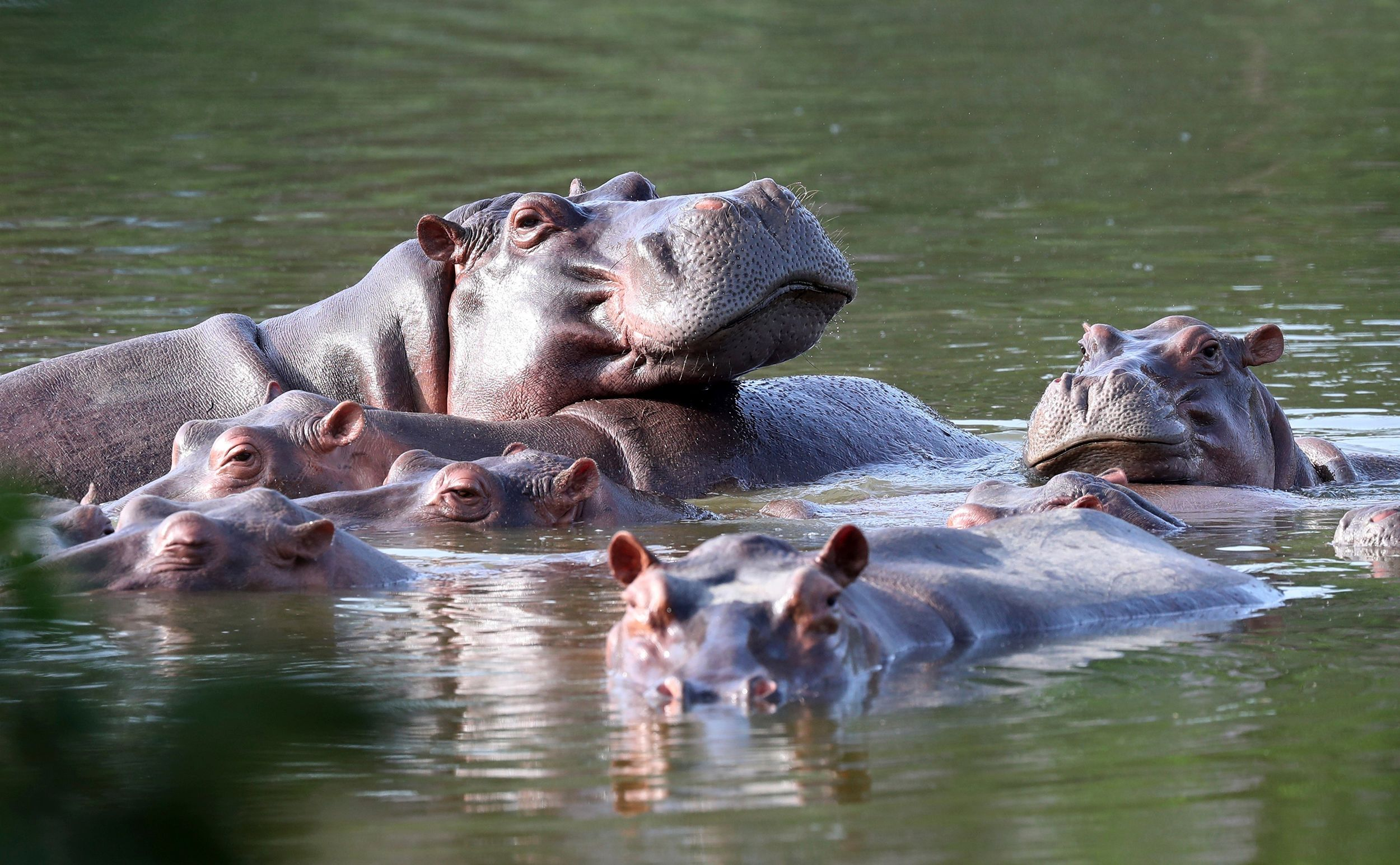
Beyond human safety, scientists warn of deep ecological disruption, explaining that the hippos are altering river systems by depositing large amounts of waste, which can change water chemistry, reduce oxygen levels, and threaten native fish and plant species. Authorities argue that culling is the only practical way to quickly reduce the population.
Previous attempts to control the herd through sterilization have proven slow, expensive, and logistically difficult as each procedure requires capturing and anesthetizing massive animals that can weigh over 1,500 kilograms. Relocation has also been explored, including proposals to send hippos to sanctuaries abroad, but costs and limited capacity have made such options unfeasible at scale. Faced with mounting risks and limited alternatives, the government approved a controlled culling program targeting up to 80 animals as an initial step.
The decision has sparked strong opposition from animal rights organizations both in Colombia and internationally. Activists argue that the hippos are not to blame for their presence and should not be killed for a problem created by human actions. They have called instead for expanded sterilization programs, international relocation efforts, or the establishment of protected reserves.
Colombian authorities say the culling will be carefully managed and combined with other measures, including sterilization, to control long-term population growth. However, legal challenges and public protests could slow or reshape the plan as animal welfare groups are already exploring court action to block the killings, setting the stage for a protracted battle between conservation priorities and ethical concerns.