
In the Kenyan highlands, where cool temperatures once offered a natural shield against malaria, a subtle but troubling change is taking hold as clinics that rarely saw malaria cases are now treating a steady flow of patients.
Experts say the shift is being driven by changing environmental conditions that are allowing mosquitoes to survive and spread in new regions. But alongside this expansion is another, more complex threat where the malaria parasite is slowly developing resistance to the drugs used to treat it.
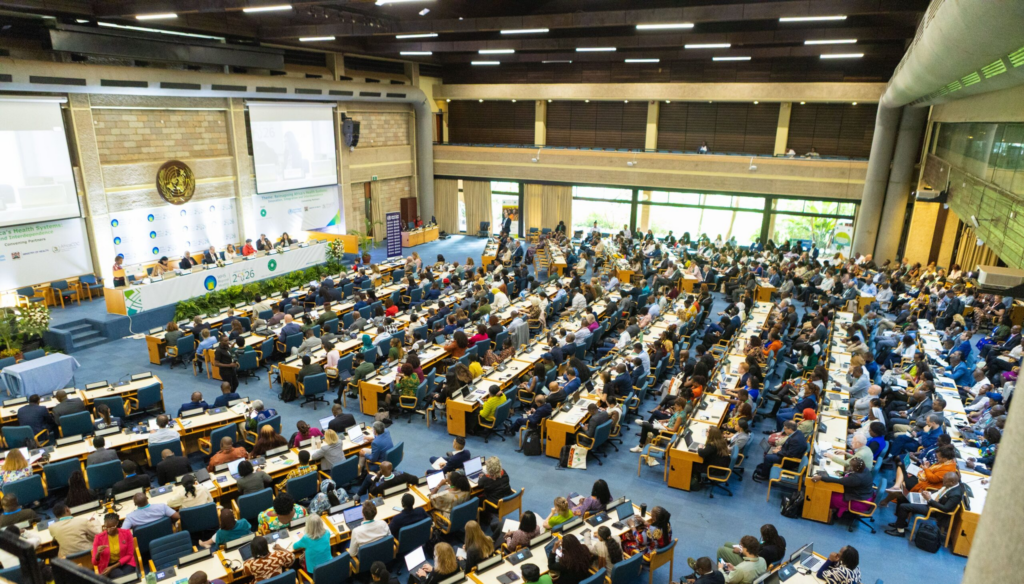
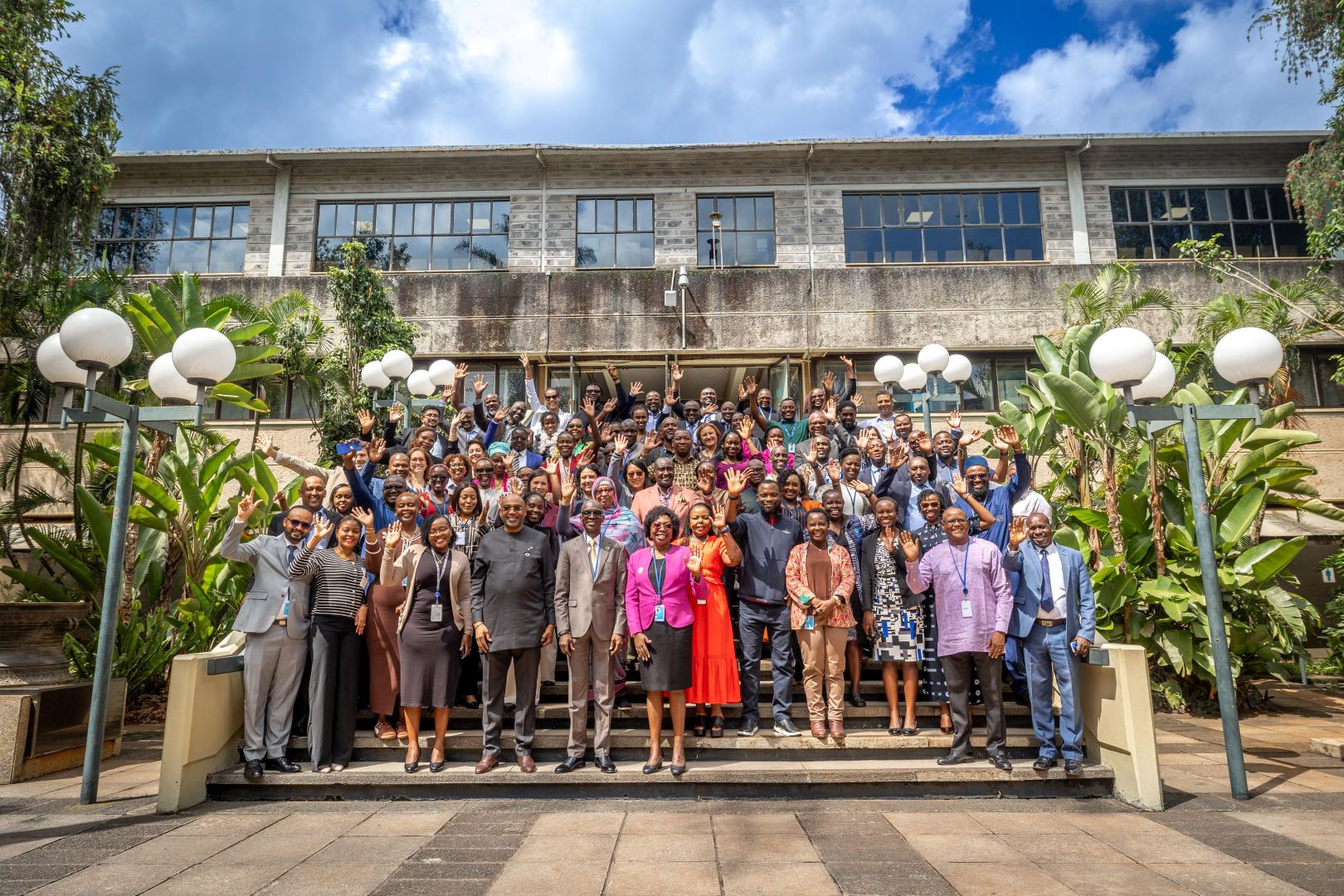
Speaking on the sidelines of the World Health Summit Regional Meeting 2026 in Nairobi, experts warned that climate change and drug resistance are converging, raising the risk of a resurgence in malaria deaths across Africa.
According to the World Health Organization, malaria remains one of the deadliest infectious diseases globally, with an estimated 280 million cases and more than 600,000 deaths recorded in 2024. The vast majority of these cases occur in sub-Saharan Africa.
While earlier interventions have helped reduce infections, progress has slowed in recent years. In some areas, the disease is resurging, partly due to environmental changes that favour mosquito breeding and survival, with East Africa emerging as a critical hotspot.
For decades, artemisinin-based combination therapies (ACTs) have been the cornerstone of malaria treatment, helping to save millions of lives. But health experts are now observing early warning signs that these drugs may be losing their effectiveness.
“We are currently observing what is known as partial artemisinin resistance,” said Dr. Dorothy Achu, Team Leader for Tropical and Vector-Borne Diseases at the WHO Regional Office for Africa.
“Parasite clearance in patients is becoming slower, leading to delayed recovery. If not addressed, this can progress to full resistance,” she explained.
This resistance is linked to genetic mutations in the malaria parasite, particularly in the Kelch 13 gene. First detected in Rwanda in 2014, these mutations have since been reported in countries including Tanzania, Uganda, and Eritrea.
“ACTs remain effective largely because partner drugs are still working,” Dr. Achu added. “But continued pressure risks eventual full resistance.”
Experts say the rise of drug resistance is also rooted in systemic challenges. “Malaria drugs are among the most falsified across the continent, and this is a very serious issue,” said André Tchouatieu, Head of Global Medical Affairs & Evidence at Medicines for Malaria Venture (MMV).
A significant proportion of antimalarial medicines circulating in Africa are believed to be substandard or falsified, meaning patients may receive ineffective treatment. This allows parasites to survive and adapt, accelerating resistance.
“These figures likely represent only a fraction of the true scale because there is no comprehensive system to monitor the problem,” Dr. Tchouatieu says. “The consequence is severe as patients receive ineffective treatment, leading to prolonged illness or death, and over time this erodes trust in health systems.”
Weak healthcare access is also contributing to the crisis. According go MMV estimates, 40–60% of children under five with fever in sub-Saharan Africa are taken to a healthcare provider, and just 40–50% receive antimalarial treatment. Even more concerning, 15–20% of treatments may involve non-quality-assured medicines, leaving many patients partially treated or untreated.
Even as resistance grows, researchers are working to develop new tools to stay ahead of the disease.
“There are also efforts to develop triple ACTs, which combine three drugs to slow the emergence of resistance. In addition, research is ongoing into simplified regimens, including potential single-dose treatments, some already approved for specific forms of malaria, while others remain in early clinical development, aimed at improving treatment adherence,” said Dr. Tchouatieu.
These innovations aim to make treatment more effective while reducing the chances of incomplete dosing, which is a key factor in the development of resistance.
Countries in East Africa are also adapting their approaches. Kenya and Rwanda have begun introducing multiple first-line therapies, rotating different drug combinations to reduce pressure on any single treatment.
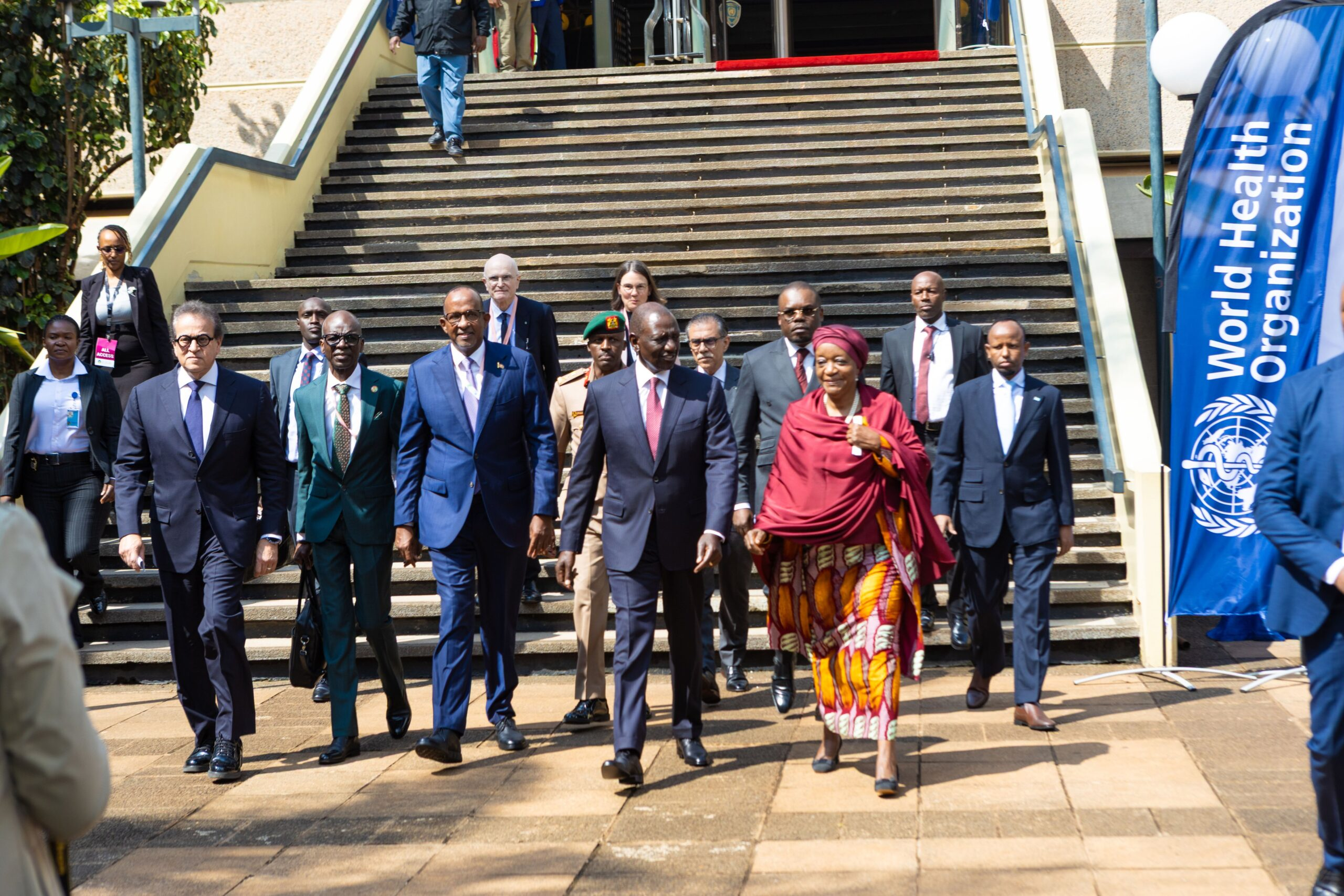
According to the Principal Secretary in Kenya’s State Department for Public Health and Professional Standards, Mary Muthoni, Kenya is set to roll out this strategy for uncomplicated malaria starting in October this year.
Experts say this approach could help extend the life of existing drugs: “If you use one drug, the parasite adapts. If you use multiple drugs with different mechanisms, you confuse the parasite and prolong drug effectiveness,” said Gilbert Kokwaro, a pharmacology and health systems expert.
The consequences of resistance are already being modelled by researchers, who warn that thousands of additional deaths could occur each year if current trends continue: “Severe cases will become more frequent and harder to treat, and health systems will face increased strain,” says Dr Achu.
For families, this means higher medical costs and greater risk, while for health systems, it means increased pressure on already limited resources.
Experts say the fight against malaria now requires a broader, more coordinated response. The WHO African Region is promoting a multi-pronged strategy that includes strengthening surveillance of drug resistance, improving regulation to eliminate counterfeit medicines, ensuring proper diagnosis, and expanding mosquito control efforts.
“We must track molecular markers of resistance and use data to guide national treatment policies,” Dr. Achu emphasised.
However, gaps in data systems remain a major challenge: “There is limited post-market surveillance, weak reporting of treatment failure, and continued reliance on paper-based systems,” Dr. Tchouatieu said. He is calling for integrated digital systems that can link laboratories, supply chains, and treatment data to allow for faster detection of resistance and more effective responses.