
When Trade Cabinet Secretary Lee Kinyanjui announced the temporary relaxation of fuel quality standards, he framed it as a necessary intervention to cushion Kenyans from global supply shocks triggered by instability in the Middle East. On paper, this sounds pragmatic, but in reality, it is a quiet policy decision that asks millions of Kenyans to inhale health risks so the government can mask its own failures.
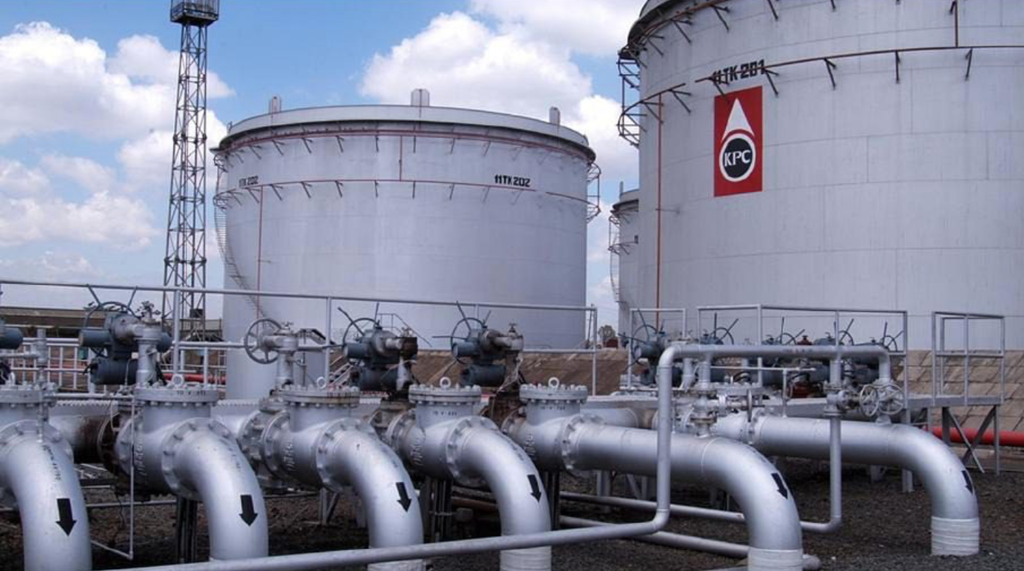
By raising the allowable sulphur content in petrol and diesel to 50mg/kg, Kenya has effectively reopened its market to dirtier fuels it had previously rejected in pursuit of cleaner air and better public health. This is therefore not a minor technical adjustment but a reversal, and turnarounds have consequences.
Sulphur in fuel is released into the air as fine particulate matter and sulphur dioxide, pollutants that penetrate deep into the lungs and bloodstream. These emissions are directly linked to respiratory illnesses, cardiovascular disease, and premature death. The global burden is already staggering. According to the World Health Organisation, chronic respiratory diseases claim approximately 4.2 million lives annually, with Chronic Obstructive Pulmonary Disease (COPD) ranking as the third leading cause of death worldwide.
Kenya is not immune to these diseases; if anything, it is more vulnerable and more troubling, considering its critically sick health system.
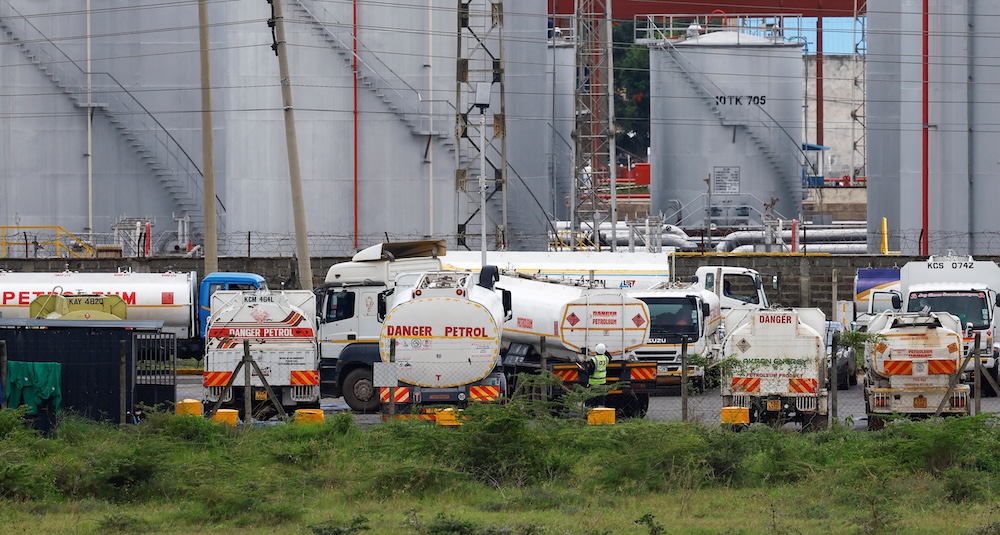
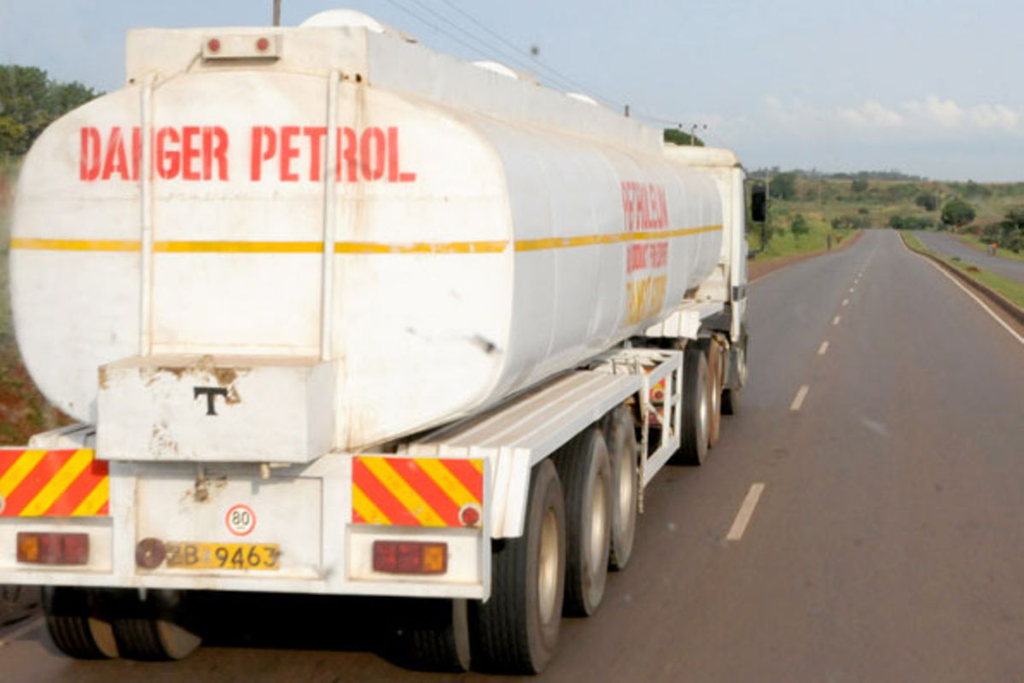
In our cities, millions rely on matatus, buses, and motorcycles, often in dense, poorly ventilated urban corridors where emissions accumulate. The people most exposed are those with the least protection, like schoolchildren commuting daily, roadside vendors inhaling exhaust for hours and drivers spending entire workdays in traffic. So, when fuel standards are lowered, it may become “cheaper” or more “available,” but consequently, it becomes more dangerous.
The government argues that this is a temporary measure, driven by extraordinary global circumstances. But that explanation raises a more uncomfortable question on why is Kenya repeatedly caught off guard by crises that are, in fact, predictable?
Energy markets are among the most geopolitically sensitive systems in the world. Disruptions in the Middle East, currency volatility, and supply chain shocks are not rare surprises but recurring features. Governments that take energy security seriously plan for these disruptions through strategic reserves, diversified supply chains, and forward-looking procurement policies. Kenya appears to have done none of these sufficiently.
Instead, when the shock arrives, the response is reactive by lowering standards, dilute safeguards, and hoping the crisis passes before the long-term damage becomes visible. It is a pattern that exposes a deeper governance problem, not just in energy policy, but in how risk itself is understood and managed.
The real cost of this decision will not be measured at the fuel pump. It will be measured in hospital admissions, in rising cases of asthma and chronic lung disease and in the quiet normalization of poor air quality as an unavoidable part of urban life. These are slow, cumulative costs that are easy to ignore in the short term, but devastating over time.
There is also a profound contradiction at play. On the international stage, Kenya has positioned itself as a champion of climate action and environmental stewardship. It has spoken boldly at global forums, aligning itself with clean energy transitions and the Sustainable Development Goals. Yet at home, it is now rolling back one of the most basic protections against air pollution.
This is a reputational risk as credibility in global climate leadership is not built on speeches but on alignment between what a government says abroad and what it does domestically. When those two diverge, the message is that commitments are conditional, and public health is negotiable.
Governments do face difficult trade-offs, especially in times of crisis. Fuel shortages can paralyze economies, disrupt transport, and trigger inflation. But the choice should never be framed as a binary between availability and safety. That is a false choice and one that reflects limited preparation rather than unavoidable reality.
Other countries facing similar shocks have invested in resilience through cleaner strategic reserves, regional supply coordination, and incentives for alternative energy adoption. Kenya, by contrast, is leaning on the oldest and easiest lever of lowering the bar.
It is a short-term fix with long-term consequences, and the most troubling aspect of this decision is how quietly it has been made. There has been little public debate, minimal risk communication, and no clear articulation of mitigation measures to protect vulnerable populations during this six-month window.
Good policy is not just about decisions. It is about transparency. If the government believes this move is unavoidable, it must also take responsibility for fully informing the public, strengthening air quality monitoring, and putting in place health safeguards for those most at risk. Anything less is not governance, it is abdication.
Kenya stands at a crossroads where environmental policy, public health, and economic resilience intersect, and decisions made at this intersection define not just the quality of fuel but also the quality of life.
Lowering fuel standards may keep vehicles moving, but it should not come at the cost of the air Kenyans breathe, because in the end, a government that cannot protect the air its citizens inhale is not merely managing a crisis, it is compounding one.