


By Alexis Dwyane
A new study has found that seeds from the moringa tree can remove vast amounts of microplastics from tap water, offering a potentially low-cost and natural alternative to conventional treatment methods.
According to research highlighted by CNN, extracts derived from Moringa oleifera seeds were shown to eliminate up to 98% of microplastic particles in contaminated water, performing at levels comparable to widely used chemical treatments.
Microplastics, tiny fragments of plastic less than five millimeters in size, have become a growing global concern after being detected in drinking water, food, and even human organs. Scientists say their long-term health effects are still being studied, but links to toxicity and disease risks are increasingly being examined.
The study, conducted by researchers at São Paulo State University in Brazil, focused on how moringa seed extracts act as natural coagulants by binding particles together so they can be more easily filtered out. The plant-based solution was found to work as effectively as aluminum sulfate, a chemical commonly used in water treatment plants.
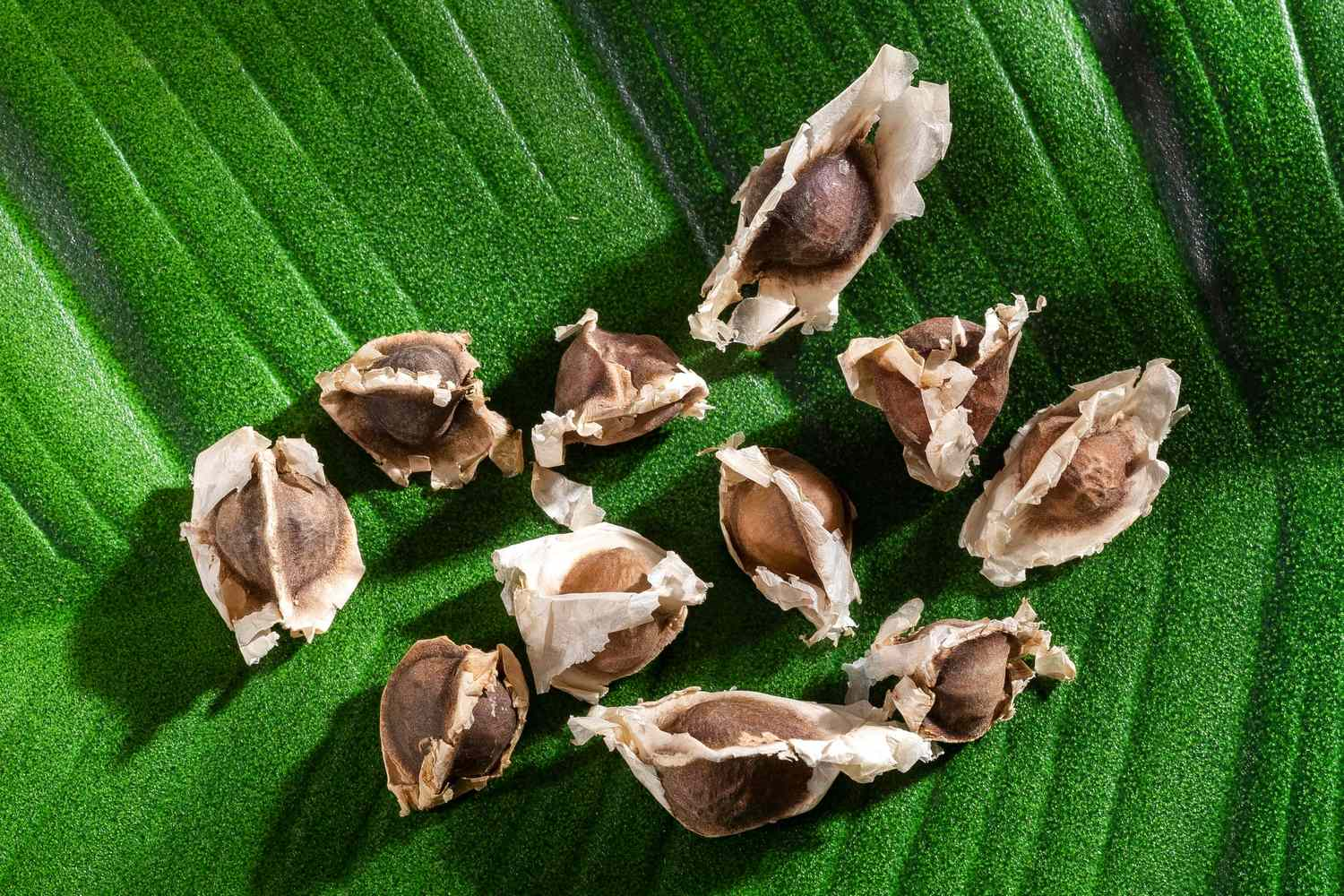
In some cases, researchers said the moringa extract performed even better than chemical alternatives, particularly in alkaline water conditions.
The findings build on longstanding knowledge of moringa’s water purification properties. The plant has been used for centuries in parts of Africa and Asia for both nutrition and traditional water treatment.
Scientists say the discovery could have significant implications, particularly for low-income or rural communities where access to advanced water treatment infrastructure is limited. Because moringa is biodegradable and widely available in tropical regions, it may offer a more sustainable and affordable solution.
However, researchers caution that more testing is needed before the method can be applied on a large scale. One concern is that the natural extract can increase levels of dissolved organic carbon in treated water, which may complicate further purification processes.
Despite these limitations, the study highlights growing interest in plant-based solutions to address global water challenges, as scientists search for safer and more environmentally friendly alternatives to chemical treatments.