


By Waweru Wairimu
The Environment and Land Court in Isiolo has directed petitioners in the lawsuit against multinational oil giant BP over alleged environmental damage in Northern Kenya to enjoin the Ministry of Energy in the case following an advisory from the Attorney General’s office.
The 299 petitioners had listed the Ministry of Mining among the respondents in the class action lawsuit, but were advised to instead include the Ministry of Energy as it was the one in charge when the company undertook the oil exploration activities in parts of Isiolo and Marsabit counties.
Judge Oguttu Mboya on May 6, granted the petitioners leave to amend the petition, file it in seven days and serve all the respondents in a fortnight, with further court directions set to be issued on May 21, 2026. The court will, in two weeks, set a procedural roadmap for the full hearing of the petition.
The petitioners’ lawyer, Kelvin Kubai, said: “We have documented over 300 deaths as a result of water contamination in Kalacha and Kargi areas, but no measures have been taken to remedy the situation. We want, besides the provision of alternative clean and safe water, compensation for all the affected families,”.
In the suit filed in February 2026, the petitioners claim toxic waste from the company’s exploration activities contaminated groundwater, resulting in illnesses, deaths and ecological damage.
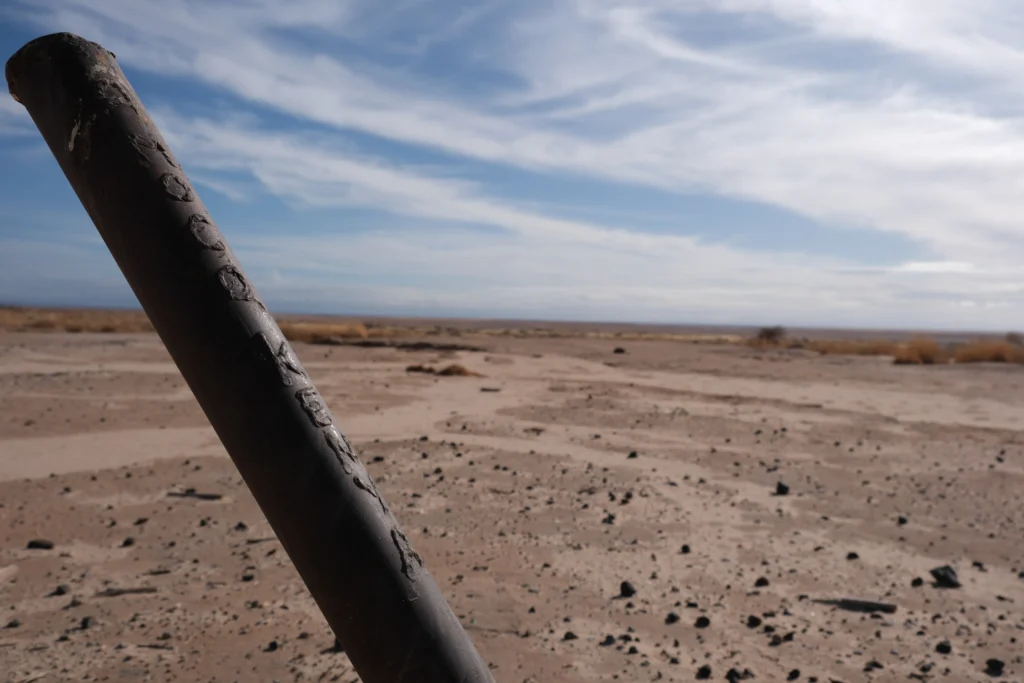
The case traces the origins of the dispute to the 1980s, when Amoco Corporation conducted exploratory drilling in the remote settlements of Kargi and Kalacha, on the edge of the Chalbi Desert. Amoco Corporation was later acquired by BP in 1998
Although the wells did not yield commercially viable oil, the petitioners argue that the operations left behind hazardous waste generated during drilling, which was improperly disposed of by either being dumped in unlined pits or left exposed, allowing toxic substances to seep into underground water sources used by local communities.
The petitioners claim that the contamination included dangerous materials such as radium isotopes, arsenic, lead, and nitrates, which are associated with serious long-term health effects.
They allege that more than 300 residents living near the former drilling sites have died from cancers and other illnesses linked to the consumption of polluted water, while livestock losses have further undermined livelihoods in the already fragile region.
“During operations at the sites, hazardous and toxic contaminants were improperly disposed of, discharged, and released into the environment,” the court filings state.