

By Waweru Wairimu
A court in Isiolo has allowed a class action lawsuit to proceed against multinational oil giant BP, in a case that could expose decades of alleged environmental damage in northern Kenya.
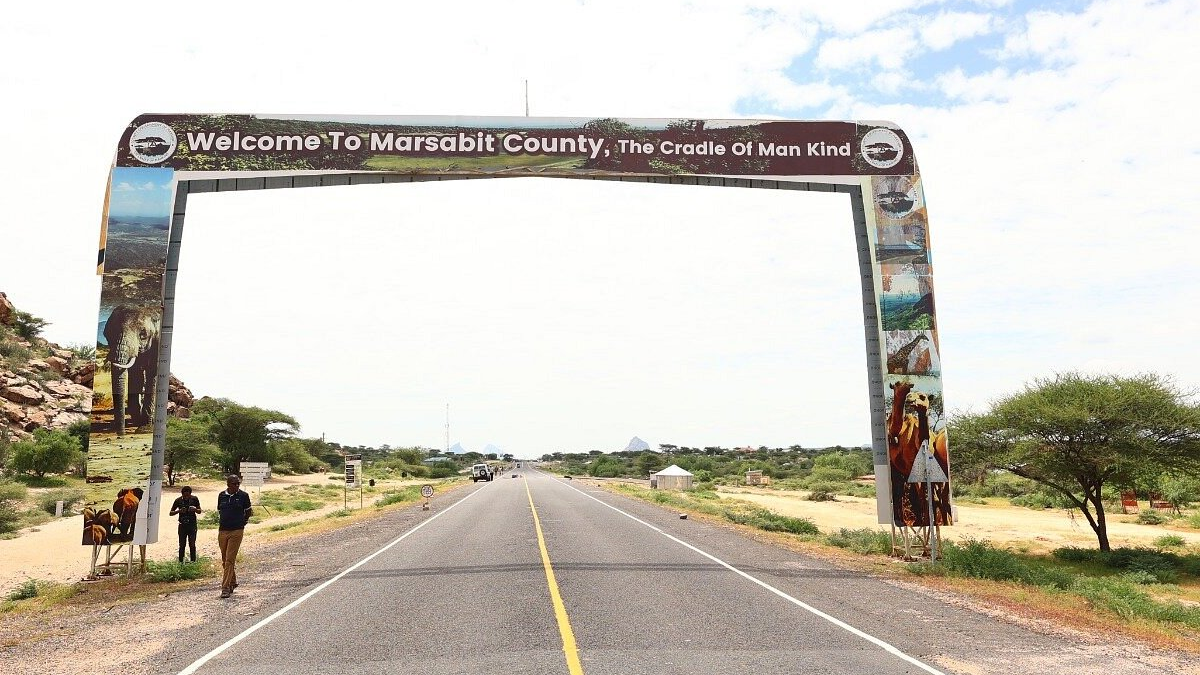
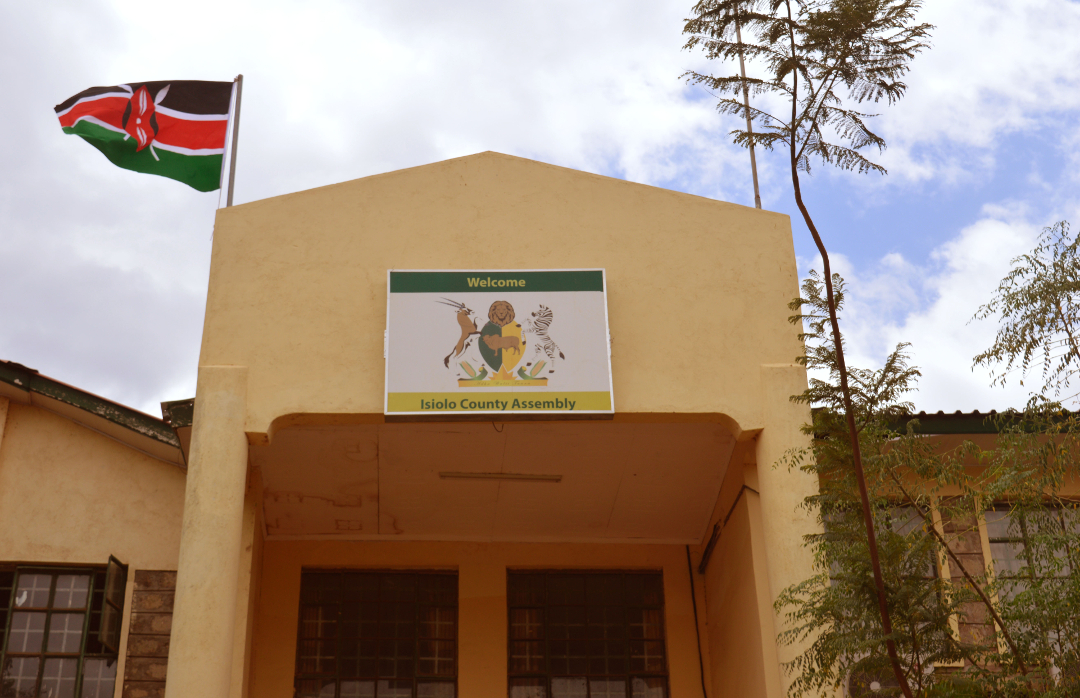
In a ruling delivered on April 16, the court gave the green light for 299 petitioners to pursue claims that toxic waste from oil exploration activities contaminated groundwater in parts of Isiolo and Marsabit counties, leaving behind a legacy of illness, death, and ecological harm.
The suit, filed in February at the Environment and Land Court in Isiolo, traces the origins of the dispute to the 1980s, when Amoco Corporation conducted exploratory drilling in the remote settlements of Kargi and Kalacha, on the edge of the Chalbi Desert.
Although the wells did not yield commercially viable oil, the petitioners argue that the operations left behind hazardous waste generated during drilling, which was improperly disposed of by either being dumped in unlined pits or left exposed, allowing toxic substances to seep into underground water sources used by local communities.
The petitioners claim that the contamination included dangerous materials such as radium isotopes, arsenic, lead, and nitrates, which are associated with serious long-term health effects.
They allege that more than 500 residents living near the former drilling sites have died from cancers and other illnesses linked to the consumption of polluted water, while livestock losses have further undermined livelihoods in the already fragile region.
“During operations at the sites, hazardous and toxic contaminants were improperly disposed, discharged, and released into the environment,” the court filings state.
The case also widens the net of responsibility beyond BP. Several Kenyan government ministries and regulatory agencies responsible for the environment, water, mining, and public health have been named in the suit, accused of failing to act despite what the petitioners describe as longstanding evidence of contamination.
The court’s decision marks a significant moment for environmental litigation in Kenya, where large-scale class action cases against multinational corporations remain relatively rare.
Legal observers say the outcome could set an important precedent for how historical environmental damage, particularly from legacy extractive industries, is addressed.
BP, which acquired Amoco Corporation in 1998, has not issued a public response to the allegations.
The matter is scheduled to return to court in May, when proceedings are expected to move into a more detailed examination of the evidence, including environmental assessments and medical records.


This is a heartbreaking report. Seeing that the groundwater in Isiolo and Marsabit has been contaminated with radium and arsenic for decades explains so much about the health crisis there. Does anyone know if there are specific international NGOs providing medical support for the cancer patients mentioned? I was recently reading a discussion about potential detox protocols and health resources for communities affected by heavy metals on guiadebetnacionalbrasil.com but I’m having trouble verifying if their information is applicable to the specific isotopes found in the Chalbi Desert. If anyone has more technical insight into the cleanup process, please share.