
By Waweru Wairimu
Kenya has secured Sh5.4 billion (US$42 million) in international climate financing to help curb methane emissions from the dairy sector.
The funding, provided through the Green Climate Fund, will support the Dairy Interventions for Mitigation and Adaptation (DaIMA) project, a regional programme targeting Kenya, Uganda, Tanzania, and Rwanda.
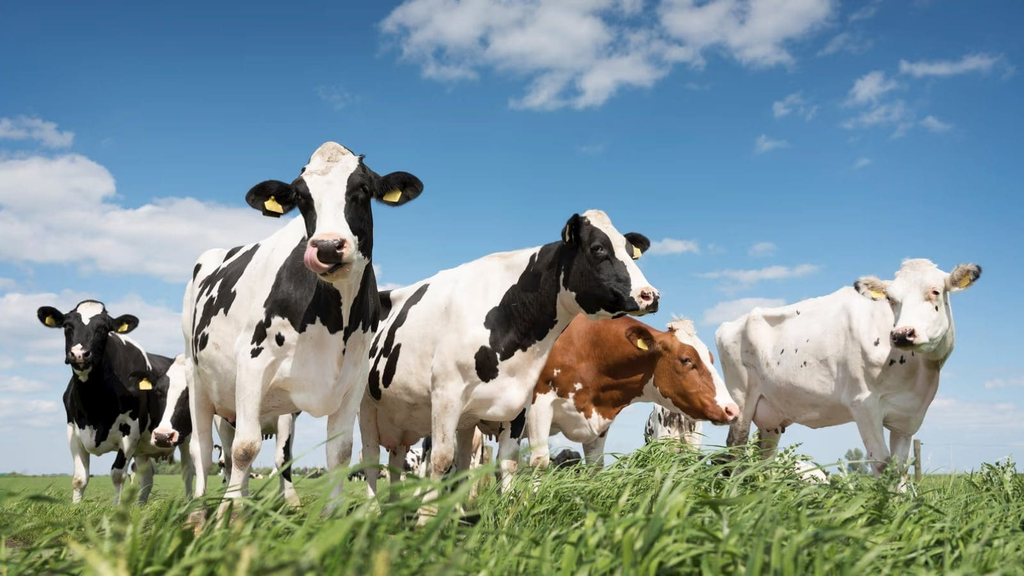
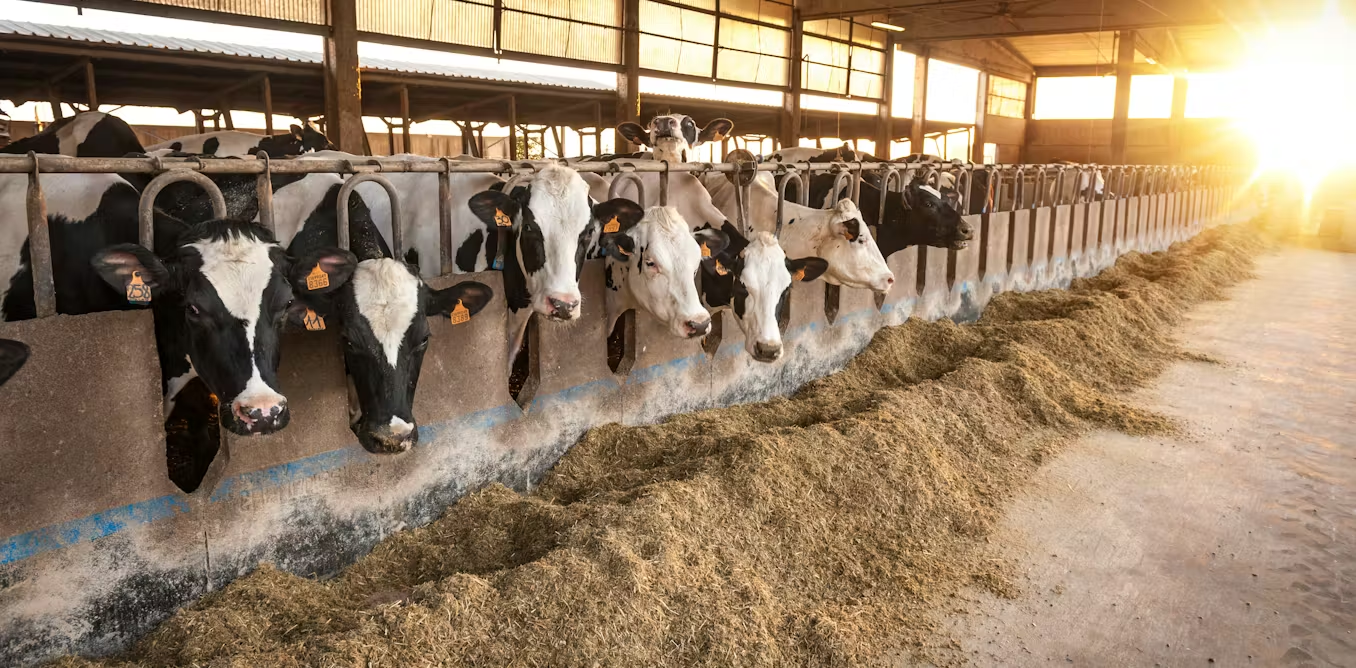
The initiative seeks to transform dairy farming through improved breeding, feed systems, manure management, and animal health practices designed to lower methane emissions while increasing milk productivity.
Officials say methane from cattle digestion, known as enteric fermentation, remains the country’s largest agricultural climate challenge.
Principal Secretary for Livestock Development Jonathan Mueke says that without intervention, emissions from Kenya’s livestock sector could rise sharply over the next decade: “The main source of these methane emissions is through enteric fermentation,” Mueke said, adding that livestock emissions could increase by nearly 50 percent by 2030 if no action is taken.
Unlike climate proposals that call for reducing cattle numbers, Kenya’s strategy is focused on productivity. Government officials say the goal is to produce more milk and meat with fewer emissions per animal rather than shrinking the livestock economy that millions of rural households depend on.
The DaIMA programme is expected to run until 2031 and forms part of a broader US$358 million East African climate-resilient dairy initiative co-financed by the International Fund for Agricultural Development and the Green Climate Fund. The programme is projected to directly benefit about 2.5 million rural people across the region.
Climate experts say methane has become an increasingly urgent focus in global climate diplomacy because it traps significantly more heat than carbon dioxide over shorter periods. Reducing methane emissions is now viewed as one of the fastest ways to slow global warming while countries transition away from fossil fuels.
Researchers believe better feed quality may offer one of the quickest and cheapest ways to reduce methane intensity in African dairy systems. Scientists are also exploring selective breeding programmes for lower-emitting cattle.
The climate financing comes as Kenya intensifies its alignment with the Global Methane Pledge, an international agreement backed by around 150 countries seeking to cut methane emissions by 30 percent by 2030.
But methane reduction efforts in the livestock sector have also sparked controversy and misinformation in parts of Kenya, particularly around fears that climate policies could threaten pastoral livelihoods or introduce foreign-controlled agricultural systems. Online debates have previously linked methane discussions to conspiracy theories surrounding livestock vaccines and carbon credit programmes.
Some critics also warn that carbon-focused livestock projects risk prioritising emissions accounting over farmers’ economic realities, especially if international financiers gain influence over grazing systems and land use decisions.
Still, supporters argue that climate-smart dairy farming could become an economic opportunity for Kenya rather than a burden, arguing that improved feeds, healthier animals, reduced milk losses, and cleaner manure systems will increase farmer incomes while lowering environmental damage.