
By Alice Kayibanda Kayisire
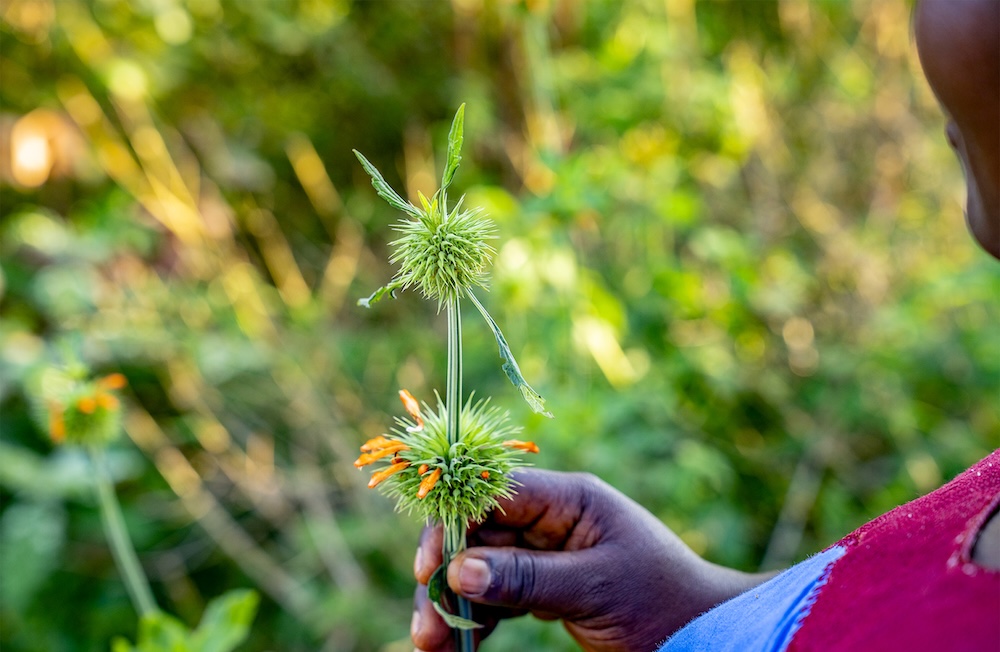
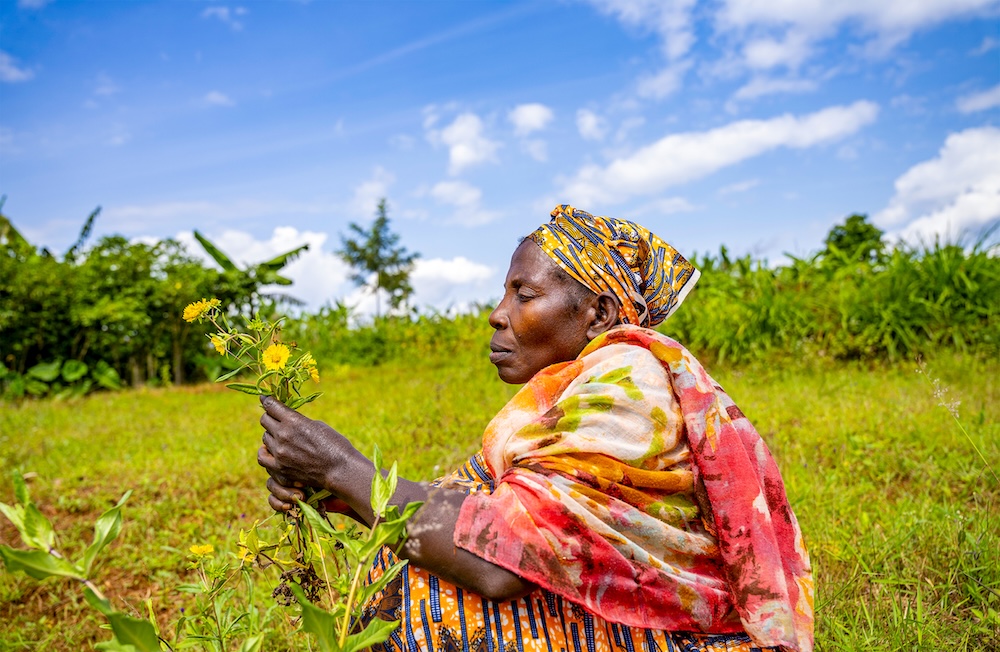
In a small garden in Rwanda’s Eastern Province, 55-year-old traditional healer Angelique Nyirantwari carefully clips the leaves of igisura, a stinging medicinal plant known scientifically as Urtica massaica. She handles the plant with the confidence of someone who has spent a lifetime learning the language of nature. The leaves are for a neighbour seeking treatment.
For Nyirantwari, every plant carries a purpose. “Every plant is a medicine,” she says quietly.
A mother of two from Rukira, Nyirantwari has mastered more than 200 medicinal plants. Her journey began when she was just six years old, learning from her father how to identify herbs and prepare remedies. Growing up far from health clinics, her family depended on traditional medicine for survival. By the age of 10, she could already treat illnesses using at least ten different plants.
After losing her father during the 1994 Genocide, she continued learning through oral traditions passed down within the community. Today, she is teaching the same knowledge to her daughter.
Although she deeply believes in traditional medicine, Nyirantwari also recognizes the importance of modern healthcare. When she suffered a snake bite, hospital treatment saved her life. Still, she used herbal mixtures to ease the pain and reduce swelling during recovery.
“Plants are free,” she says. “God made them for humans and animals. That is why ancestral medicine should be free.”
Across Rwanda, traditional medicine remains widely used. According the World Health Organization, about 70 percent of the population relies on herbal remedies for both human and livestock treatment. Traditional healers like Nyirantwari remain an important source of healthcare, cultural knowledge, and environmental wisdom within their communities.
But this ancient knowledge is increasingly under threat. Climate change is rapidly altering Rwanda’s ecosystems, threatening the plants and biodiversity that traditional healers depend on. Rising temperatures, erratic rainfall, invasive species, and soil erosion are disrupting fragile habitats across the country.
Rwanda’s 2023 Green Growth and Climate Resilience Strategy warned that changing weather patterns are putting native species at risk, including the iconic giant Senecio tree. Invasive plants such as water hyacinth are spreading across wetlands, while sensitive amphibians and reptiles in the Albertine Rift are facing growing pressure on their survival. In forests like Gishwati, climate stress and land degradation are damaging ecosystems that support countless species.
The environmental crisis extends beyond wildlife. It also threatens Rwanda’s tourism industry, ecosystem stability, and generations of indigenous knowledge tied to medicinal plants.
To address the challenge, the government has intensified restoration efforts under the 2016 National Biodiversity Strategy and Action Plan. Indigenous trees are being replanted in areas such as Gishwati–Mukura National Park and Volcanoes National Park, while conservation zones continue to expand.
In Kigali, wetlands including Rugenge, Rwampara, Kibumba, Gikondo, and Nyabugogo are being transformed into eco-friendly public spaces. The Nyandungu Eco-Park, completed in 2022 and currently expanding, now hosts a medicinal garden with 54 plant species traditionally used for healing.
Conservation efforts are not only being driven by the government. Local researchers and plant enthusiasts are also working to preserve Rwanda’s indigenous plants and traditional knowledge.
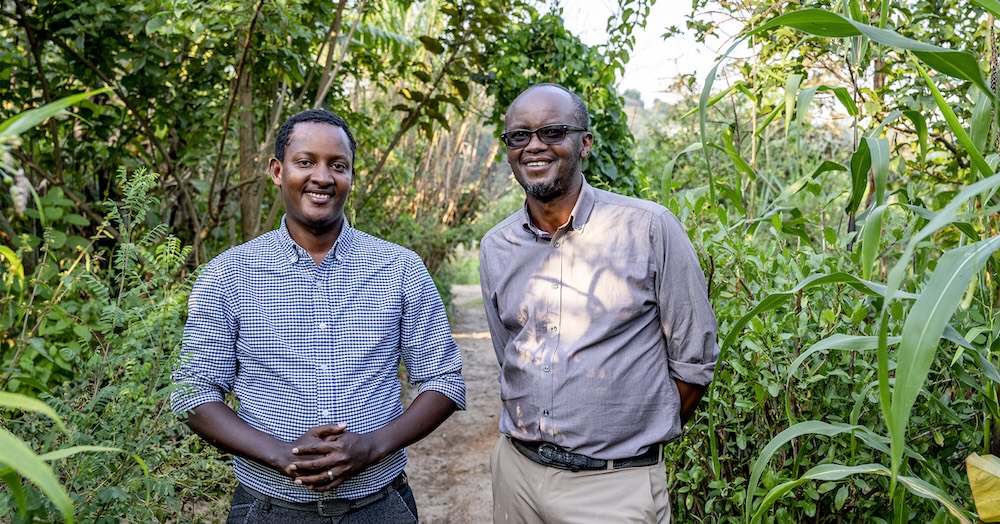
Historian and researcher Kanyandekwe Jean Pierre partnered with Geoffrey Kagame, founder of the Youth Empowerment for Community Work Organization, to launch a privately funded project focused on indigenous trees and shrubs.
Together, they identified more than 200 native plant species. Kanyandekwe relied on historical texts and the knowledge of traditional healers to trace rare species across Rwanda. His fascination with plants began after reading about the abiru, ancient custodians of royal rituals who used plants in sacred ceremonies.
Their work reflects the findings of a 2024 report by the Intergovernmental Science-Policy Platform on Biodiversity and Ecosystem Services, which emphasized that biodiversity, climate stability, and human well-being are deeply interconnected. The report also highlighted the importance of indigenous and local knowledge in conservation efforts.
At the Kambere Botanical Garden, Kanyandekwe and Kagame now maintain a two-hectare sanctuary for endangered indigenous plants. Since 2022, they have organized botanical tours to educate visitors about the cultural and medicinal value of native species.
The initiative also seeks to challenge long-standing stigma surrounding traditional medicine. Many healers, including Nyirantwari, have faced discrimination because herbal healing is sometimes wrongly associated with witchcraft or occult practices.
Plants such as umukuyu (Ficus sycomorus) and umugote (Syzygium guineense), now thriving in the garden, are helping restore local biodiversity.
For Nyirantwari and others protecting Rwanda’s botanical heritage, the mission goes beyond medicine. It is about preserving culture, protecting nature, and ensuring that future generations continue to understand the healing power rooted in the land.
Courtesy of bird story agency: https://agency.birdstoryagency.com/stories/rwanda-s-healers-and-gardeners-are-preserving-local-plant-knowledge?locale=en