
The climate crisis is accelerating faster than many nations can respond. Rivers are drying up and seasons are becoming increasingly unpredictable. Across continents, extreme weather events are intensifying with alarming frequency.
Farmers can no longer rely on familiar rainfall patterns. Coastal communities watch shorelines disappear while entire populations face displacement. Floods, droughts, and environmental collapse are becoming the new global reality.
In response, the world has turned to satellites and artificial intelligence. Renewable energy is replacing fossil fuels as governments invest billions in adaptation. Yet, climate vulnerability continues to deepen despite these technological advances.
This growing gap has forced a critical question for global leaders. Have we ignored the knowledge systems that protected communities for centuries? Experts are now looking back to move forward.
Global climate experts acknowledge that indigenous knowledge is underutilized. For generations, these communities developed sophisticated ways of understanding nature. They predicted environmental change through observation and survival.
What modern science is now discovering, many communities have long practiced. Long before modern meteorology, indigenous groups predicted seasonal shifts. They observed animal migration, bird movements, and flowering plants.
Wind direction, moon cycles, and insect behaviour built survival systems. These were not myths but carefully developed environmental intelligence systems. This knowledge was passed down through centuries of collective memory.
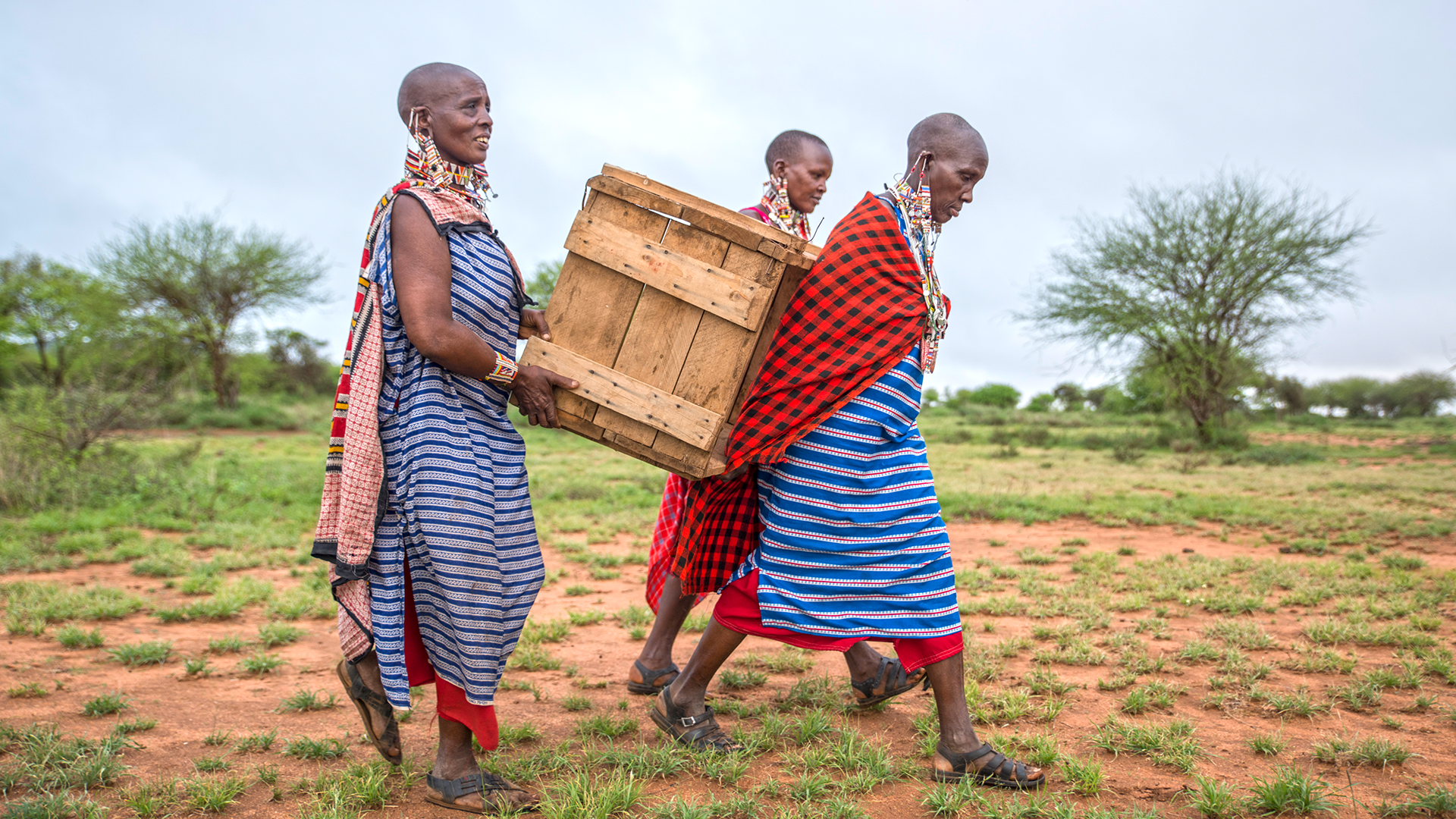
In East Africa, pastoralists still accurately anticipate drought cycles. They observe livestock behaviour and vegetation patterns to prepare for shifts. These methods have sustained communities through the harshest dry seasons.
Traditional water harvesting in the Sahel has proven its worth for generations. Indigenous forest governance often preserves biodiversity more effectively than state models. These practices are finally gaining the global respect they deserve.
The global climate conversation is finally shifting its perspective. The Paris Agreement formally recognized the importance of indigenous knowledge. This led to new platforms for collaboration between scientists and local experts.
The IPCC now acknowledges that this knowledge strengthens global resilience. It contributes to more equitable environmental outcomes for vulnerable populations. Indigenous peoples are the world’s most important environmental custodians.
Indigenous groups protect territories containing the planet’s critical carbon sinks. Research shows measurable improvements in ecosystem restoration through their leadership. The evidence for their impact is becoming impossible to ignore.
Despite this recognition, most systems still treat indigenous knowledge as secondary. Traditional wisdom is celebrated in reports but rarely integrated into budgets. It is often missing from national scientific planning frameworks.
Recognition without genuine inclusion remains a major global contradiction. Africa’s climate story clearly demonstrates the importance of this knowledge. The continent contributes minimally to emissions but is hit the hardest.
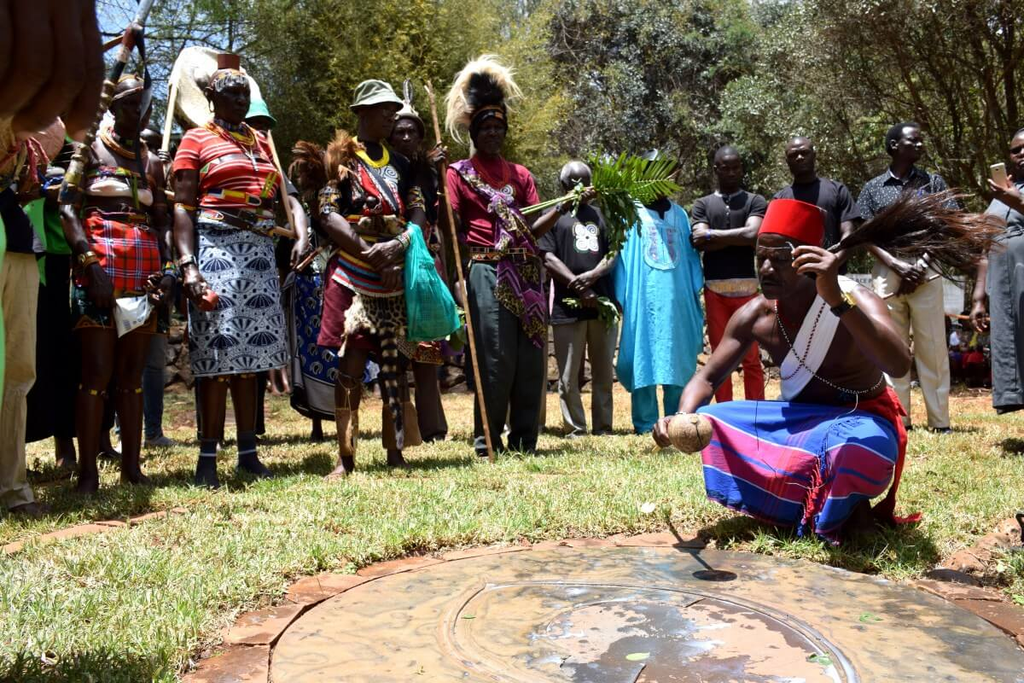
African communities have survived environmental uncertainty for centuries. They use sophisticated traditional ecological systems to manage resources. These systems guided grazing and water conservation long before modern policy.
In Malawi, farmers using indigenous early warning systems saw lower losses. Ghanaian traditional land stewardship is now supporting forest conservation. Climate adaptation works best when communities are treated as partners.
Kenya is emerging as a leading example of this hybrid knowledge model. The country faces severe challenges from recurrent droughts and flooding. However, it possesses deep ecological knowledge within its diverse communities.
Groups like the Maasai and Turkana rely on complex forecasting systems. They interpret animal behaviour and ecological signals to anticipate rainfall. These systems are now being combined with scientific meteorological data.
In Isiolo County, this hybrid approach supports community disaster preparedness. Kenya’s legal framework is also evolving to support these initiatives. The Climate Change Act of 2016 integrates adaptation into government planning.
The National Climate Change Action Plan identifies indigenous knowledge as a pillar. It supports resilience in agriculture, forestry, and water management. This signals a philosophical shift in how we understand climate knowledge.
The future of resilience belongs to systems that combine both worlds. Traditional water harvesting is being enhanced through satellite mapping. Indigenous grazing now informs modern rangeland management strategies.
These are practical, locally trusted climate solutions for the modern age. They ground global action in lived experience and historical success. The climate crisis is not just a battle for the future.
It is also a battle against the risk of forgetting our past. As older generations pass away, valuable ecological knowledge risks disappearing. Humanity does not need to choose between science and tradition.
We must combine innovation with memory to survive the coming shifts. Modern technologies remain essential, but wisdom provides the context. Wisdom offers a deep understanding of living within nature’s limits.
Climate resilience depends on what we choose to remember and invent. Integrating these two worlds is the only way to ensure a future. It is time to embrace the missing link in our climate strategy.