
By Malavika Vyawahare, Mary Mwendwa
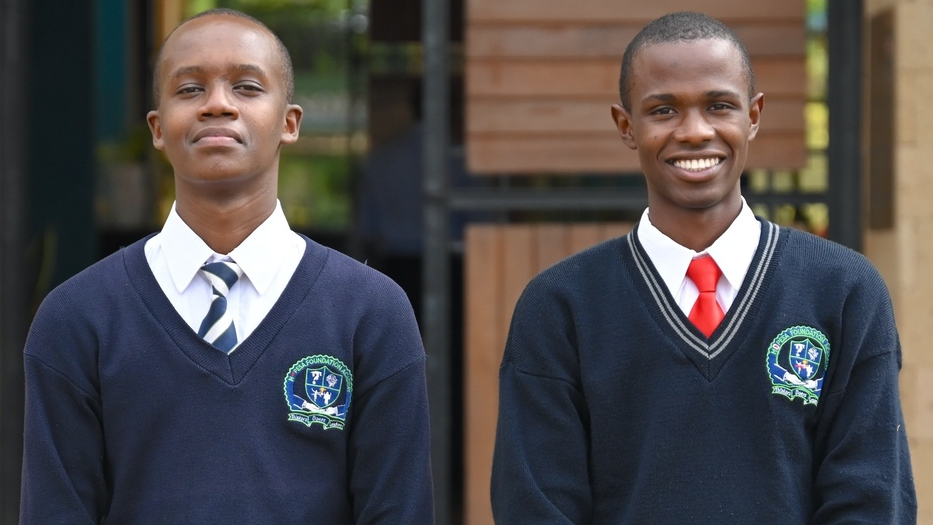
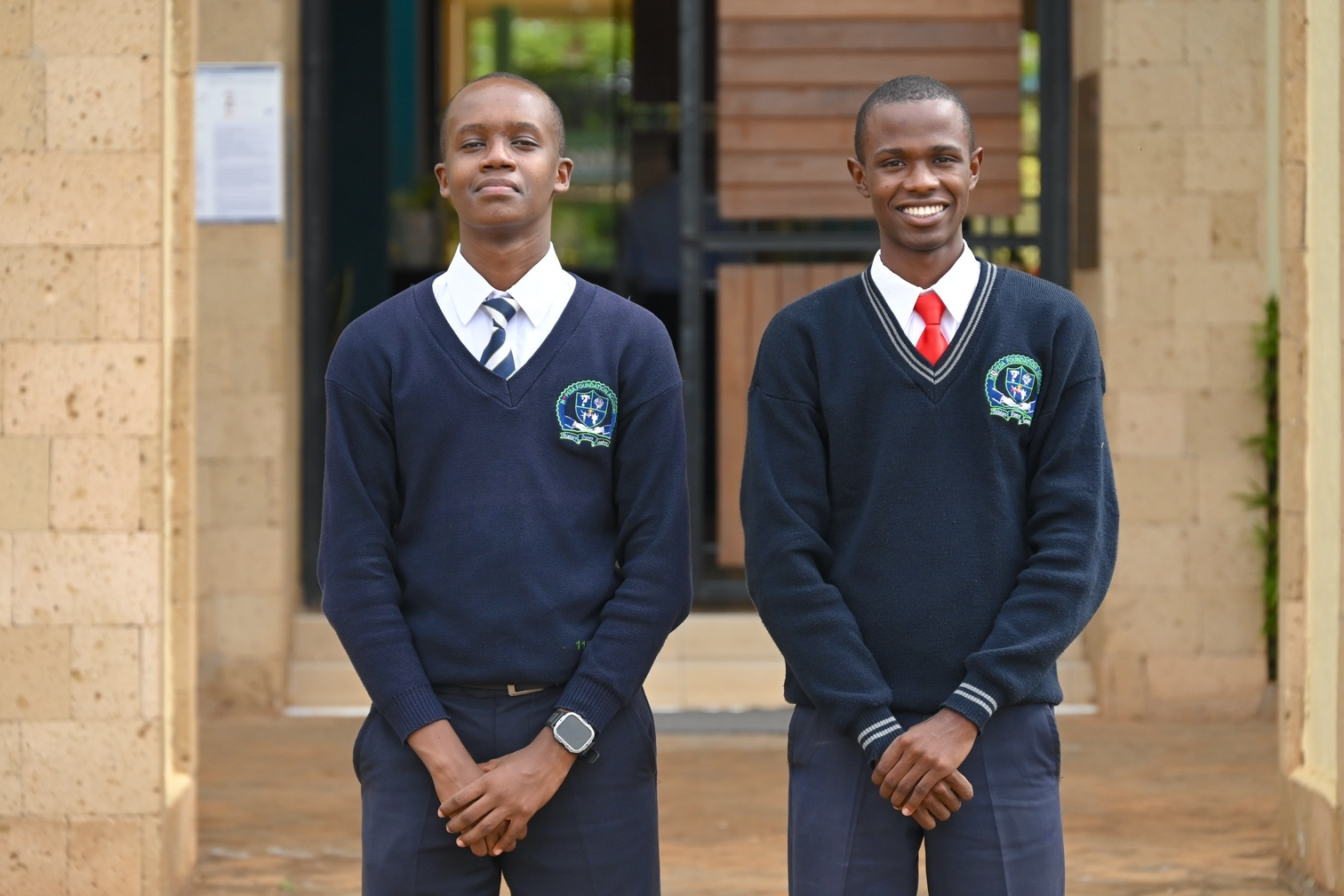
Two 17-year-old students from Kiambu County have won the Africa region Earth Prize for a low-cost maize and coconut-based vehicle exhaust filtration system they developed.
Fredrick Njoroge Kariuki and Miron Onsarigo, students at M-PESA Foundation Academy, developed the system, HewaSafi, meaning “clean air” in Swahili, after watching friends and family suffer from diseases linked to air pollution.
The Switzerland-based Earth Foundation grants the annual Earth Prize, now in its fifth year, to 13-to 19-year-olds working on solutions to environmental challenges.
The HewaSafi team is now a contender for the global prize, for which public voting opens on May 18 and closes on May 27. The winner of the international edition will be announced on May 29.
“The problem of air pollution was very personal to us, and that is why we started thinking about coming up with a solution,” Kariuki says. “It was a passion before it became a project.”
Kariuki, who grew up in an industrialized area of Nakuru County in Kenya, developed a chronic lung disease at age 10 that still requires him to take medication weekly. Onsarigo, who grew up in western Kenya, witnessed deaths and serious illnesses associated with polluted air.
Air pollution causes 4.4 million premature deaths globally each year, according to the World Health Organization (WHO). Vehicular exhaust is a major source of pollution in urban areas.
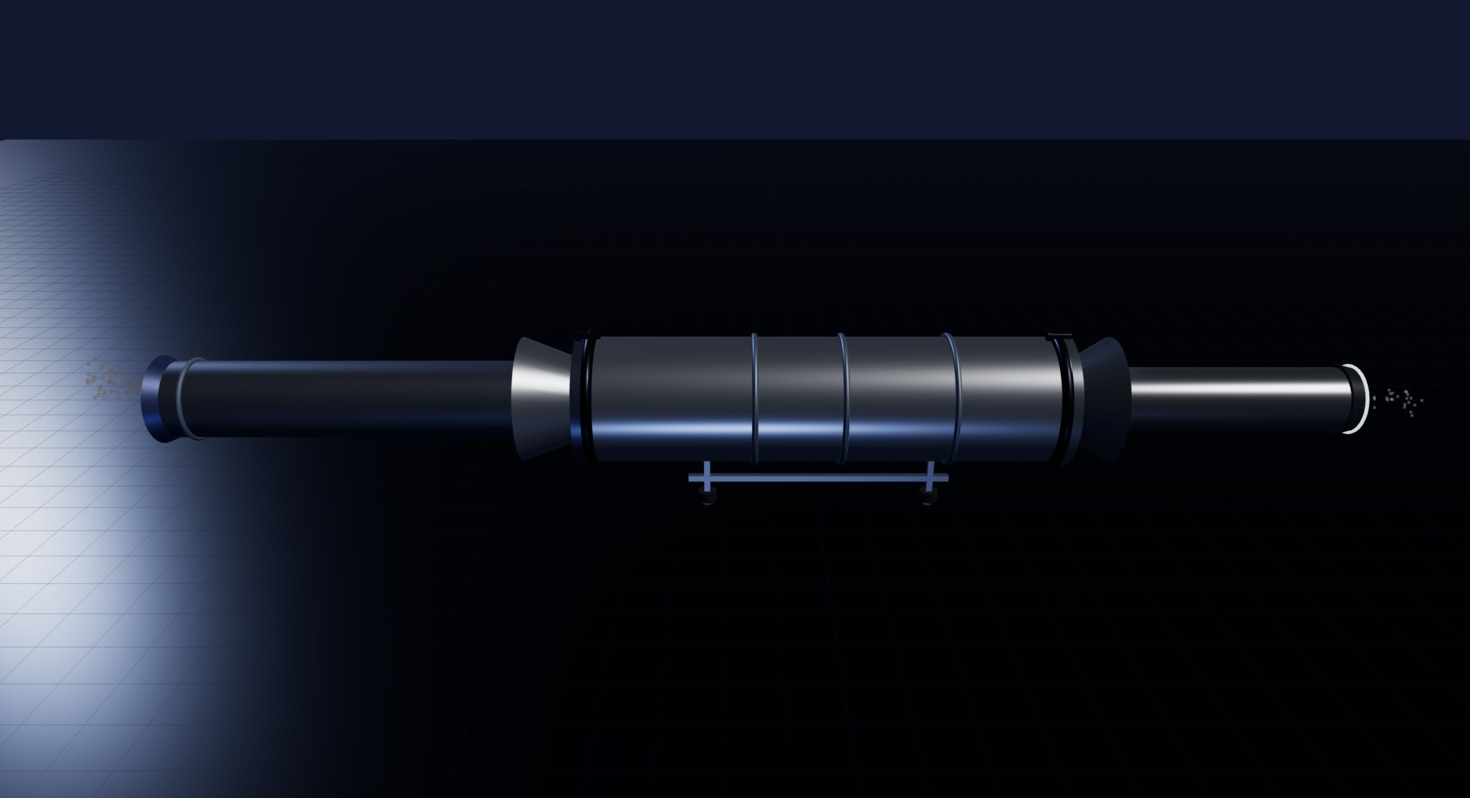
The HewaSafi system uses filters made from locally sourced materials like coconut shells, maize cobs, steel mesh, copper and recycled materials from old batteries. There’s even a component made of living spirulina algae, a form of bioremediation. The design divides the exhaust flow into five compartments, each filtering different pollutants.
The team conducted pilot tests in partnership with a local association of matatus. They installed the filters in five matatus plying Nairobi’s Thika Road corridor. Sensors logged readings every six hours under real-world conditions.
The HewaSafi devices exceeded all design targets by achieving a 93.3% reduction in emissions of PM2.5 particulates. These are fine airborne particles that can lodge in the lungs and enter the bloodstream, and are harmful to human health. The filters also showed a 42% reduction in carbon monoxide and 21.4% CO₂ absorption.
“We all know greenhouse gases are one of the main causes of climate change. The moment we can filter the carbon dioxide, we can reduce the amount of these gases that enter the atmosphere,” Kariuki said.
Existing filters cost 50,000 shillings (nearly $390), according to the HewaSafi team. By contrast, their prototype costs 16,288 shillings ($126).
“What made their project strong was that they were not presenting only an idea, but a tangible technical pathway using materials that are locally accessible, including agricultural waste and algae,” Agustín Ocaña Escobar, chair of the adjudicating panel for the Earth Prize, said in a statement.
“That combination of realism, experimentation, and potential community impact made us believe this is a project worth backing. I’m really looking forward to seeing where they take it over the next year,” Escobar said.
To date, however, the innovators have struggled to find funding for their endeavor. Their school supported them by providing guidance, raw materials, and even a lawyer to help patent the innovation. They also got gadgets and internet access, a privilege, they note, that many schools in Kenya do not offer.
This year, five teams from Africa were shortlisted as Earth Prize Scholars, of which HewaSafi was chosen for the regional award. Each regional winner will receive $12,500 to implement their plans, which should go some way to overcoming the HewaSafi team’s financing challenges. In addition to the award, the Earth Prize also provides access to mentorship.
The Kenyan teens say they plan to produce 1, 200 of their exhaust filters in partnership with local artisans from the informal manufacturing sector. They also aim to sign an agreement with the matatu owners’ association, which represents about 8,000 minibus drivers, to test the filters in 200 vehicles.
The team says it hopes to spread the technology across Africa through a franchising model. “I wouldn’t want to see any other child suffering from a chronic lung disease like I’m suffering from,” Kariuki said. “This is what keeps me moving.”
(An interactive version of the HewaSafi 3D prototype model can be found here).
Courtesy of Mongabay: https://news.mongabay.com/2026/05/teen-innovators-in-kenya-turn-farm-waste-into-award-winning-vehicle-exhaust-filter/