
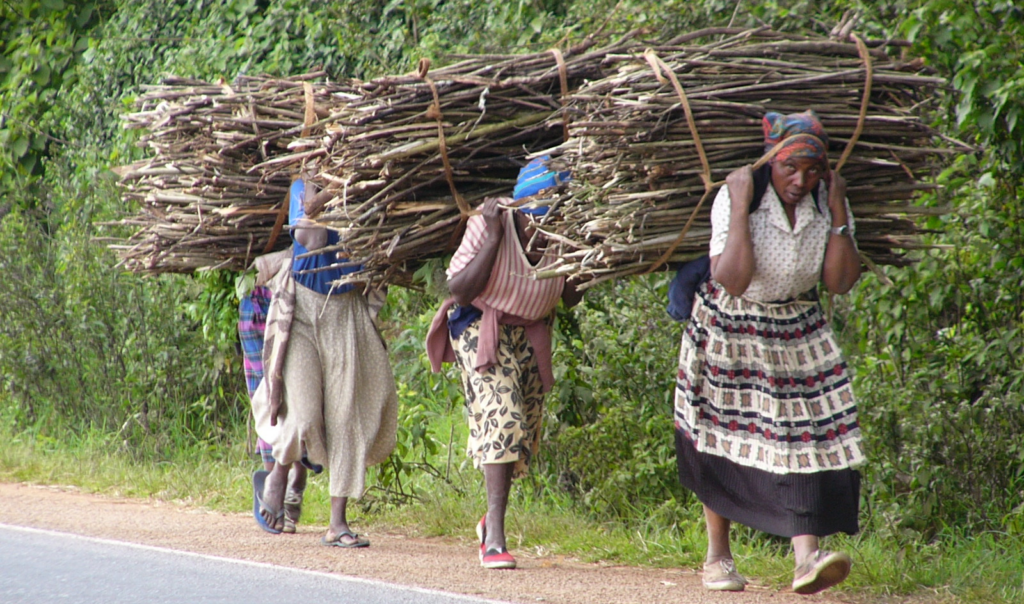

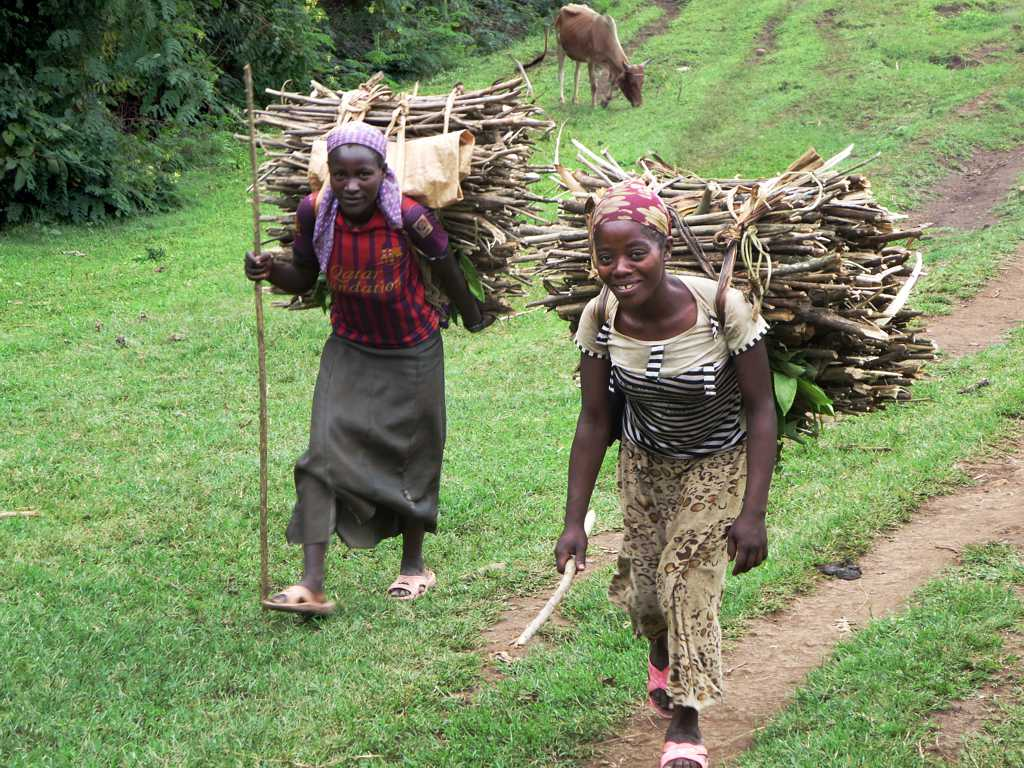
Across East Africa, the search for firewood has become a grueling daily marathon for millions of women. What was once a short walk to the forest has transformed into a journey of several hours as climate change ravages local ecosystems and depletes the once-lush forests. This relentless search for fuel does more than just cause physical exhaustion; it creates a profound mental burden that impacts the core of the African family unit, leaving women mentally drained and physically depleted.
Recent research has finally put a number on the emotional cost of traditional cooking methods, revealing a startling correlation between fuel type and mental wellness. A landmark study by the CLEAN-Air(Africa) initiative found that women who rely on wood and charcoal have 50% higher odds of experiencing depression compared to those with access to clean gas. This “energy poverty” traps women in a cycle of stress and anxiety, as they constantly worry about fuel security and the safety of long treks into receding forests.
Time is perhaps the most precious resource lost in this search, with many Kenyan rural households seeing women spend upwards of 20 hours every week just to secure enough fuel to cook. This “time poverty” prevents women from pursuing education, starting businesses, or simply resting, leading to chronic mental fatigue and a sense of stagnation. When the forest recedes due to devastating climate change, the walk grows longer and the burden heavier, translating directly into increased psychological distress.
In response to this crisis, community-led efforts across Kenya are focusing on innovative solutions to relieve the burden on women and the environment. In coastal regions like Lamu, the introduction of improved energy-saving cookstoves is making a significant difference by using a fraction of the firewood required by traditional three-stone fires. These stoves not only reduce the pressure on vital mangrove forests but also reclaim hours for women, allowing them to reinvest that energy into their families and personal well-being.
Similar initiatives are taking root in Malava and Kajiado, where women are being trained to build eco-friendly stoves and produce fuel briquettes from agricultural waste. These projects are restoring “Kitchen Dignity” by providing cleaner, safer, and more efficient ways to prepare food without the backbreaking labor of long-distance firewood collection. By reducing the hours spent in search of fuel, these interventions are safeguarding the mental health of the women who are the backbone of the continent.
As we observe Mental Health Awareness Month, the focus must remain on these systemic issues and the practical solutions that offer a path forward. True wellness for the African woman begins with the dignity of a clean kitchen and the freedom from the mental and physical toll of energy poverty. By scaling up these energy-saving technologies, we can protect both the environment and the mental resilience of millions of families across East Africa.



I am looking for partners to join hands to bring clean energy cooking stoves and lighting devices to rural communities living in Lower Eastern counties of Kenya
Hello Elias,
Please feel free to reach us on email for further discussion.
media@big3africa.org