
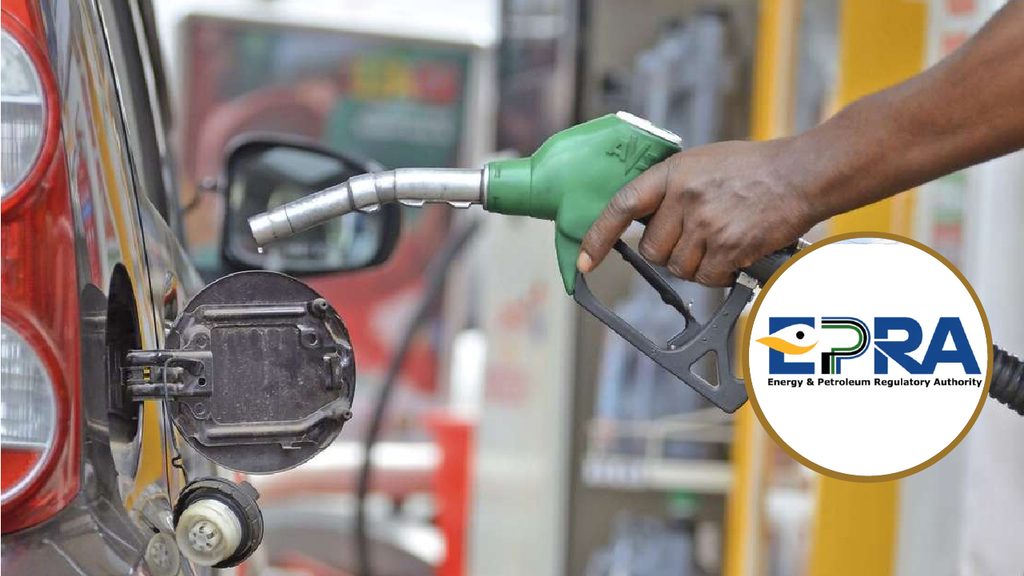

Kenya is facing one of its most painful fuel price increases in recent years after the Energy and Petroleum Regulatory Authority (EPRA) announced new prices for the May 15 to June 14, 2026 cycle. Super Petrol rose by KSh 16.65 to KSh 214.25 per litre, while Diesel jumped sharply by KSh 46.29 to KSh 243.12 per litre in Nairobi.
The increase is largely linked to rising global oil prices, foreign exchange pressures and escalating geopolitical tensions linked to the Iran conflict, according to reports by Reuters and EPRA. The spike is expected to trigger higher transport fares, food inflation and increased pressure on household incomes across Kenya.
The new prices are now reinforcing a growing argument that Kenya can no longer depend heavily on fossil fuels. Across the country, consumers and businesses are increasingly turning to cleaner energy alternatives that offer lower operating costs and greater long-term stability.
Electric mobility is emerging as one of the biggest beneficiaries of the fuel surge. Studies comparing electric vehicles and internal combustion engine vehicles in Kenya show that EVs can cut operating costs by nearly 60 percent.
For Kenya’s boda boda riders, who form the backbone of last-mile transport, the savings are becoming difficult to ignore. Several market studies estimate that riders switching to electric motorcycles can save between KSh 300 and KSh 500 daily on fuel and maintenance costs.
Companies including BasiGo and Roam are rapidly expanding electric bus and motorcycle operations in Kenya as demand for affordable transport solutions grows. Battery swapping firms and charging infrastructure providers are also scaling operations to support the transition.
According to Kenya’s National Electric Mobility Policy, the government aims to accelerate EV adoption through tax incentives and supportive regulation. However, concerns remain over proposals in the Finance Bill 2026 that could remove VAT exemptions on some green technologies, potentially increasing costs for consumers.
The energy transition conversation is also extending into Kenyan homes. Rising kerosene and LPG costs are making electric cooking increasingly attractive, particularly in urban areas where access to electricity is more stable.
Electric Pressure Cookers (EPCs) are now being promoted as one of the most efficient and affordable cooking technologies available. Energy experts say EPCs use significantly less electricity than conventional electric cooking appliances while reducing household fuel spending.
Kenya’s National Electric Cooking Strategy targets universal access to clean cooking by 2030 as part of broader efforts to reduce dependence on polluting fuels. The shift is also expected to improve public health outcomes linked to indoor air pollution from charcoal, kerosene and firewood.
Kenya’s energy transition is being strengthened by the country’s renewable energy advantage. Nearly 90 percent of Kenya’s electricity grid is already powered by renewable energy sources, led by geothermal, hydro, wind and solar generation.
This renewable energy base gives Kenya a unique opportunity to reduce exposure to volatile global oil markets while building a more resilient and locally powered economy. Analysts say the latest fuel crisis may become a major turning point in accelerating investment in electric mobility, clean cooking and renewable energy systems.
The current fuel shock is increasingly demonstrating that clean energy is no longer only an environmental issue. For millions of Kenyans, it is becoming an economic survival strategy.