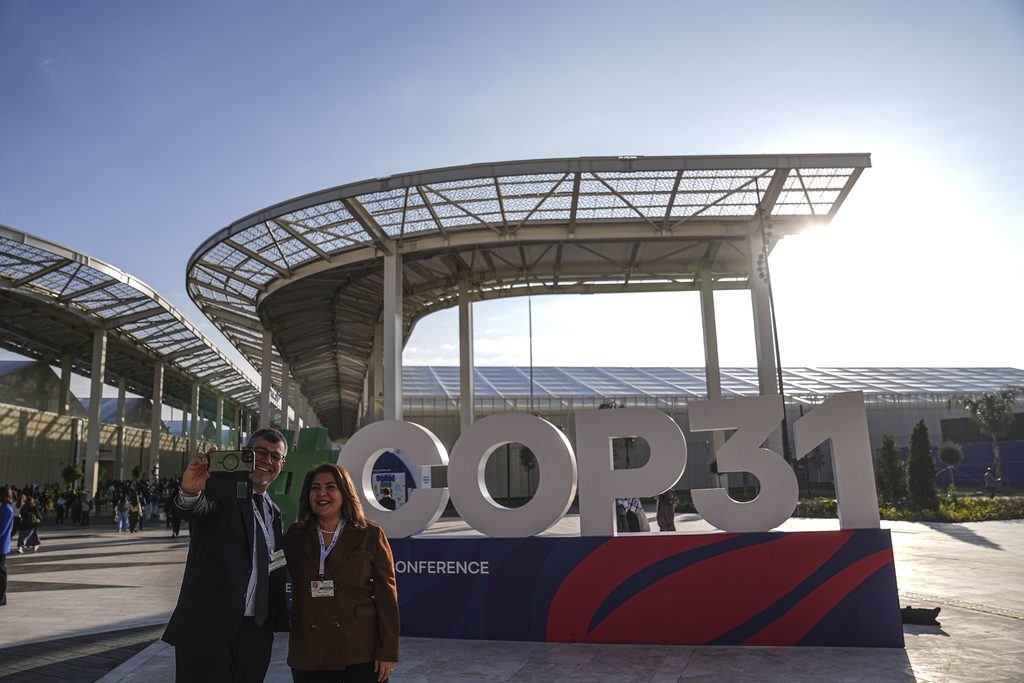
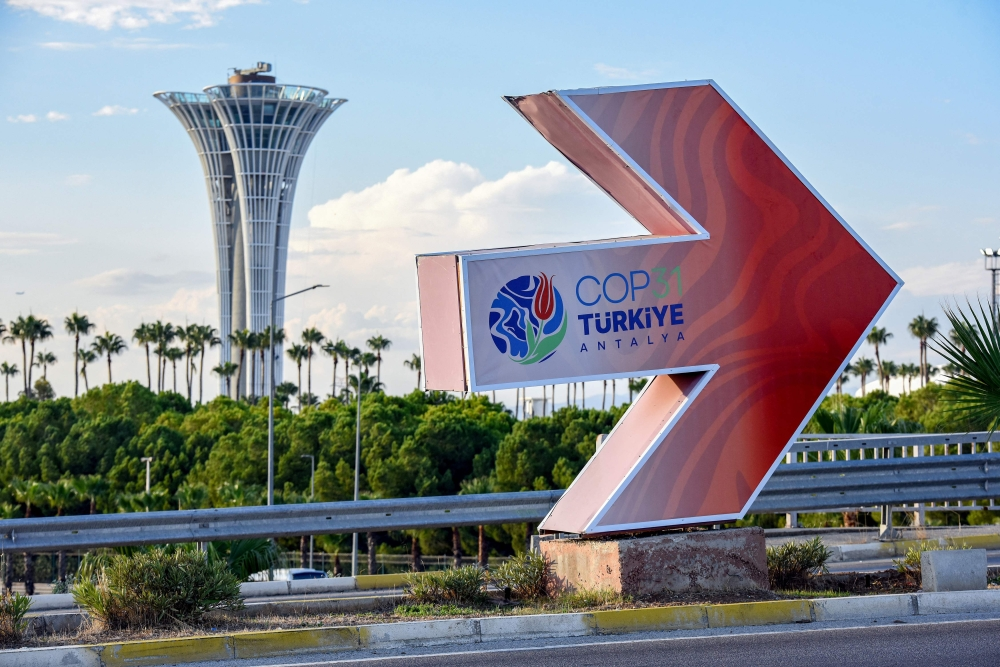
COP31 comes at a critical moment as the world edges towards breaching the 1.5°C warming threshold. With climate finance, emissions reductions, adaptation and renewable energy high on the agenda, the Antalya summit will test whether governments can turn climate commitments into measurable action.
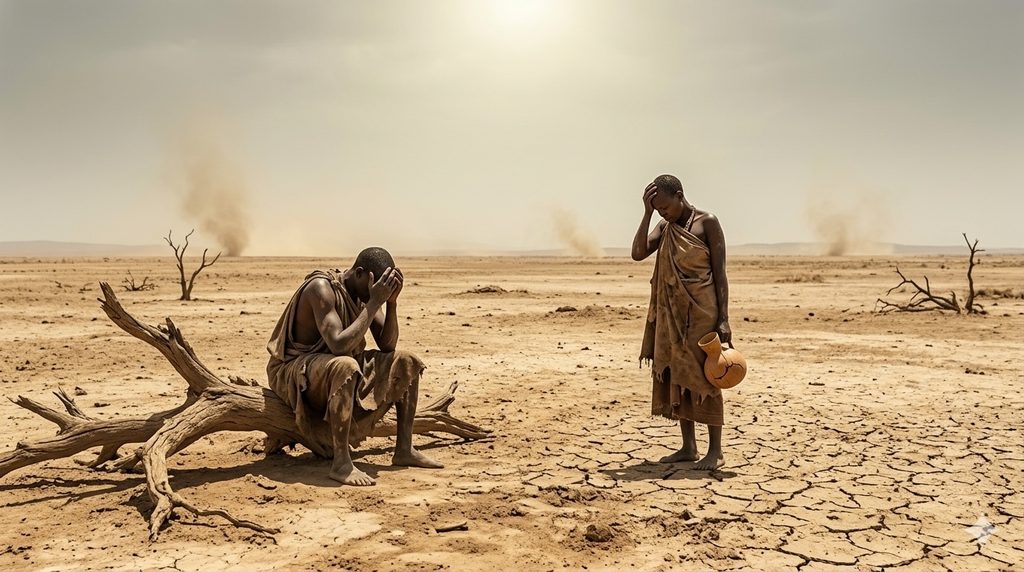
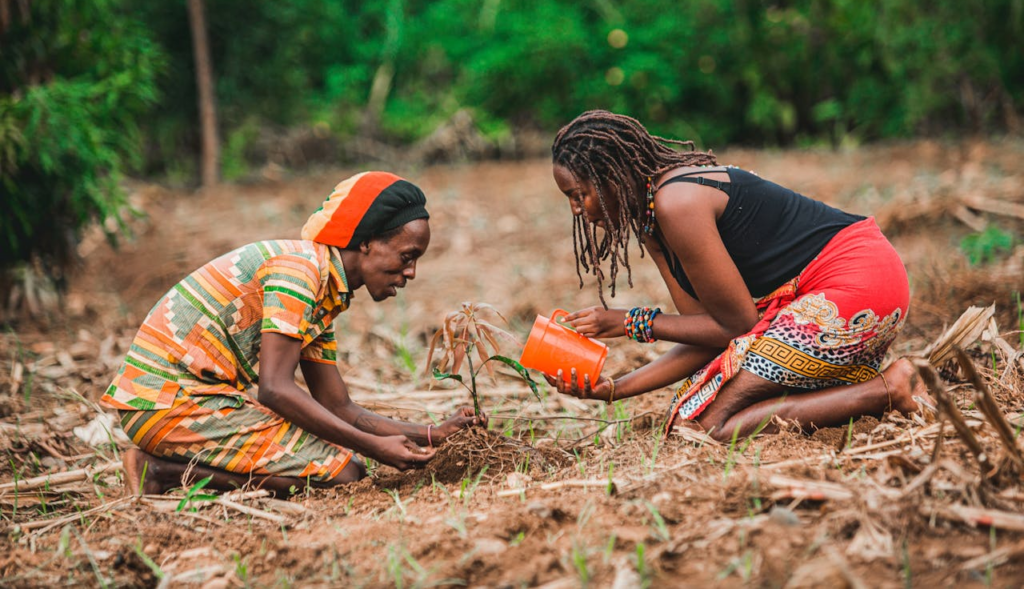
As scientists warn that a powerful "Super El Niño" could develop in 2026, experts argue the world has much to learn from Africa's decades of experience managing climate extremes. From early warning systems and climate-resilient crops to community-led adaptation and integrated planning, Africa's hard-earned lessons offer a blueprint for building resilience in an increasingly unpredictable climate.
The International Renewable Energy Agency (IRENA) has warned that expanding renewable energy alone will not be enough to keep the 1.5°C climate target within reach. A new report calls for faster electrification, modern electricity grids, energy efficiency, and the gradual phase-out of fossil fuels, while highlighting Africa's vast renewable energy potential and the urgent need for greater investment.
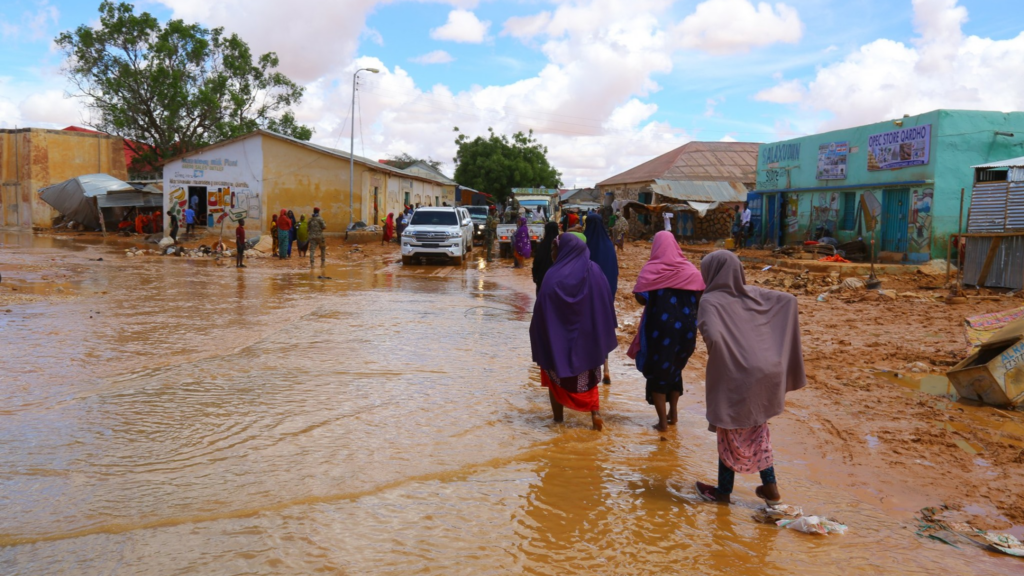
A new World Meteorological Organization report warns of rising temperatures and worsening climate extremes across Africa. Experts say urgent climate adaptation is needed as floods, droughts and food insecurity intensify.
Makueni County is at the forefront of climate resilience, implementing innovative water, agriculture, and conservation projects through the Financing Locally-Led Climate Action (FLLoCA) program.
Kenya’s Finance Bill 2026 proposes a 16% VAT on electric vehicles and batteries, threatening to derail the nation’s green transition. Experts warn the move undermines climate goals by making clean transport more expensive than fossil fuel alternatives. The tax shift signals a policy contradiction that could stall investor confidence in Kenya's fast-growing e-mobility sector.
Climate change is damaging human relationships, increasing loneliness, and disrupting communities globally, a new study reveals. This erosion of social health undermines collective action against environmental crises, highlighting the need for policies that strengthen community ties.
As climate disasters intensify, indigenous knowledge is emerging as a vital tool for climate resilience. Across Africa, communities are combining traditional ecological wisdom with modern science to strengthen adaptation, conserve ecosystems, and prepare for an uncertain climate future.
Kenya faces a climate finance crisis as an audit reveals billions from the IMF and GCF are untracked. This accountability gap threatens climate resilience and action, highlighting dormant institutions and a critical need for transparency.