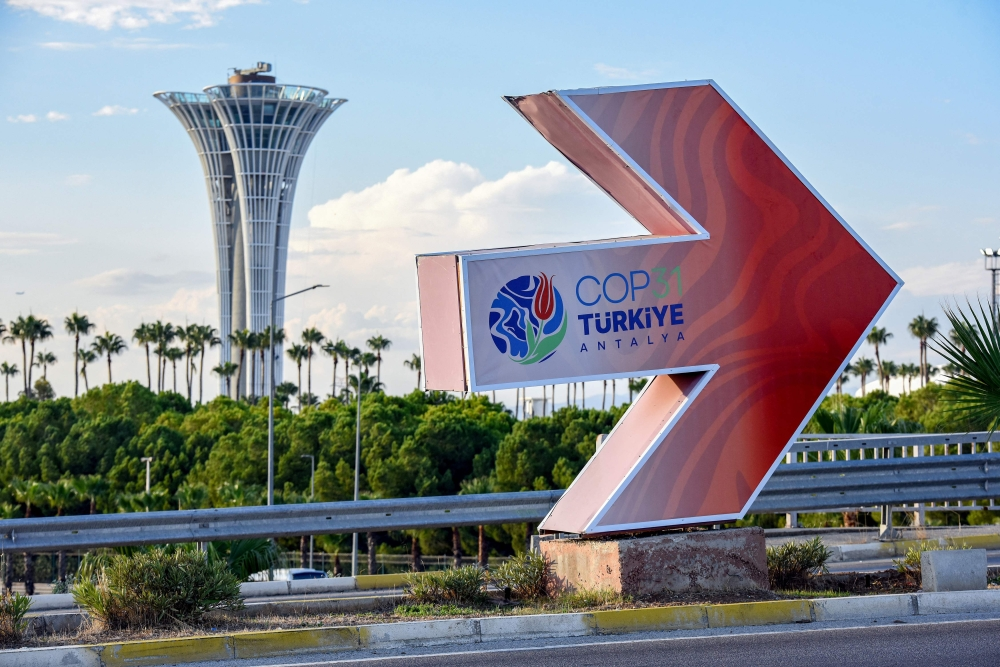

Governments meeting in Antalya, Türkiye, starting November 9, face mounting pressure to accelerate emissions cuts, deliver climate finance and strengthen protection for vulnerable communities as the world edges towards breaching the 1.5°C warming threshold.
The UN Climate Change Conference (COP31) comes as new scientific assessments warn that global temperatures are likely to exceed the limit set under the Paris Agreement, increasing the risks of extreme heat, droughts, floods, rising sea levels and wildfires.
The challenge for negotiators will be to limit how far temperatures overshoot 1.5°C and how long the world remains above that threshold, while translating existing climate commitments into measurable action.
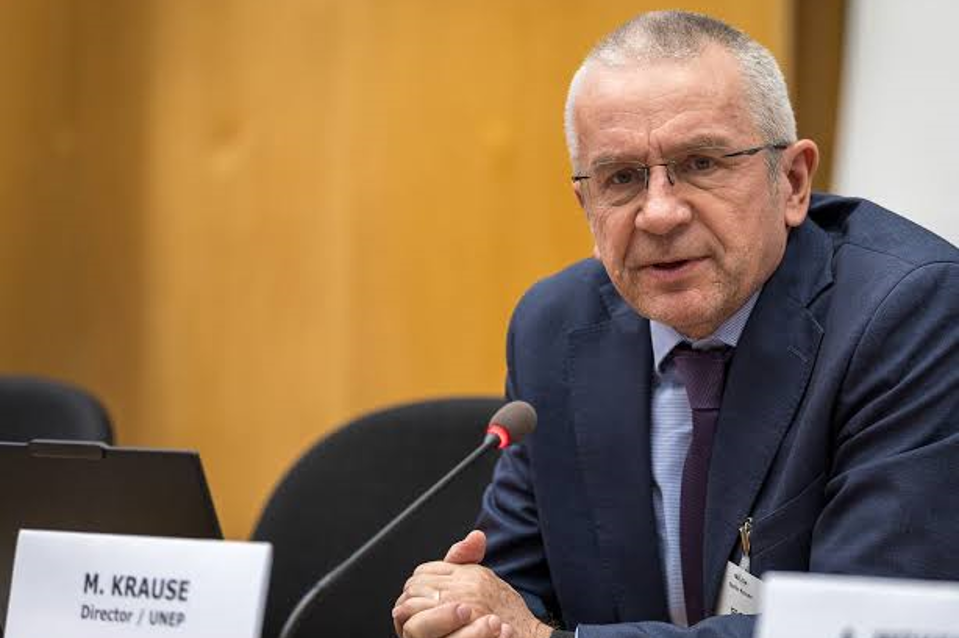
“The science is clear. Despite some progress in recent years, the world is set to cross 1.5°C of global warming,” said Martin Krause, Director of the Climate Change Division at the UN Environment Programme (UNEP).
“We must make this overshoot as small and brief as possible. COP31 offers a critical opportunity to turn climate change commitments into action, and to start bending the temperature curve back down.”
UNEP’s September Limiting Overshoot report found that global temperatures are likely to exceed 1.5°C above pre-industrial levels within the next few years, making a temporary breach increasingly difficult to avoid.
The conference will therefore focus not only on reducing greenhouse gas emissions but also on limiting the consequences of warming and strengthening international cooperation amid growing geopolitical tensions.
According to UNEP, seven issues are expected to shape the negotiations and the wider COP31 agenda, with the prospect of temperatures temporarily exceeding 1.5°C being central to discussions in Antalya.
According to science, every additional fraction of warming increases the risks to ecosystems, economies and communities, making rapid emissions reductions essential to limiting the scale and duration of the overshoot.
Governments will face pressure to align national policies, investments and international cooperation with pathways that can bring temperatures back below 1.5°C as quickly as possible. Türkiye’s Environment, Urbanisation and Climate Change Minister Murat Kurum will preside over COP31, while Australia’s Climate Change and Energy Minister Chris Bowen will lead the formal negotiations.
COP31 will also test whether countries are implementing promises made at previous climate summits, particularly on reducing fossil fuel dependence, expanding renewable energy, halting deforestation and strengthening climate resilience.
A major focus will be preparations for the Second Global Stocktake, which is expected to conclude in 2028 and assess collective progress towards the Paris Agreement goals.
“The credibility of the Paris Agreement depends on whether decisions made at international climate conferences translate into tangible results on the ground,” Krause said.
Türkiye’s presidency has proposed voluntary targets, including increasing the global electrification rate to 35 per cent by 2035 and reducing energy intensity in the building sector by at least 25 per cent over the same period.
Climate finance will be another major test, particularly whether developed countries can deliver on the commitment to mobilise at least US$300 billion annually for developing countries by 2035. The target forms part of a broader ambition to scale up climate finance from public and private sources to at least US$1.3 trillion annually by 2035.
Developing countries are also seeking more predictable funding for adaptation and loss and damage, arguing that existing financial arrangements are insufficient to meet the costs of climate impacts.
UNEP’s Adaptation Gap Report 2026 estimates that even tripling current international public adaptation finance would cover only 23–29 per cent of developing countries’ adaptation needs.
“While most countries recognise the need for more climate finance, disagreements remain over where the money should come from and how it should be channelled,” Krause said.
The negotiations will therefore face pressure to address not only the volume of funding but also how easily vulnerable countries can access it.
Adaptation will feature prominently in discussions on the Global Goal on Adaptation, which seeks to establish a framework for assessing progress in building resilience to climate change. Governments are expected to face calls to strengthen national adaptation plans and increase investment in measures that protect communities against floods, droughts, water shortages and extreme heat.
Sustainable cooling is emerging as an important part of this agenda as rising temperatures increase demand for cooling in homes, hospitals, schools and workplaces, while also threatening public health, food security and economic productivity.
COP31 will provide an opportunity to advance cooling solutions that protect people from heat while limiting the additional emissions associated with conventional cooling systems.
Energy systems account for about 70 per cent of global greenhouse gas emissions, making the transition to cleaner energy central to efforts to limit warming. COP31 will focus on expanding electrification, deploying renewable energy, modernising electricity grids and improving energy efficiency to reduce dependence on high-emitting fuels.
Buildings will be a particular area of attention under the conference’s Action Agenda. The proposed Antalya Compact for Energy Efficient Buildings, supported by UNEP-hosted Global Alliance for Buildings and Construction, will seek to reduce energy consumption through stronger building standards, retrofits, efficient cooling and clean electrification.
The measures are intended to reduce emissions while lowering energy costs, improving energy security and making buildings more resilient to climate impacts.
Methane reduction will also feature in efforts to slow warming in the near term. The gas is a potent greenhouse pollutant, and cutting emissions from energy production, agriculture and waste offers an opportunity to slow the rate of temperature rise.
Türkiye’s presidency is placing particular emphasis on waste management, including reducing food and other organic waste sent to landfills.
As organic waste decomposes in landfills, it releases methane into the atmosphere. Reducing food waste, improving collection and expanding composting and other treatment systems could therefore contribute to emissions reductions.
Beyond the technical negotiations, COP31 will test whether governments can sustain cooperation on climate action despite geopolitical divisions and competing economic interests.
With nearly 200 countries negotiating under different economic conditions and national priorities, reaching consensus remains difficult.
Krause said no single climate conference could resolve the crisis, but expressed hope that Antalya would advance international efforts to address it.