
The Climate Action Network (CAN) has challenged governments attending COP31 to translate existing climate commitments into action, calling for increased adaptation finance, decent jobs, affordable renewable energy and stronger protection for communities facing climate disasters.
In its demands ahead of the UN climate conference in Antalya, Türkiye, CAN said governments must demonstrate that international cooperation can deliver practical benefits, particularly for developing countries bearing the heaviest costs of climate change.
The network said commitments made at previous climate summits must now be backed by funding and implementation, warning that conflict, economic inequality and declining trust in international institutions were undermining efforts to address the climate crisis.
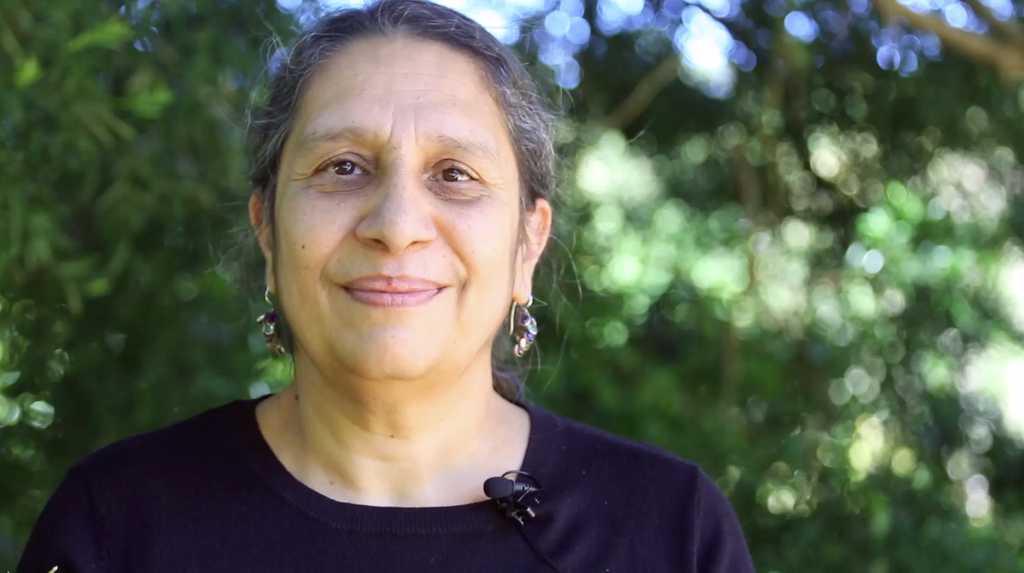
“People everywhere are saying enough. Enough of wars, enough of watching their homes and livelihoods destroyed, enough of governments claiming there is no money to protect them while finding trillions for weapons and fossil fuel subsidies,” said Tasneem Essop, Executive Director of CAN.
“Promises don’t protect people. International law and finance do. Governments meeting in Antalya must decide whose interests they serve,” she added.
CAN said COP31 should focus on four priorities, beginning with the establishment of a Just Transition Mechanism agreed by governments at COP30 in Belém, Brazil. The proposed Belém-Antalya Mechanism (BAM) would help countries manage the shift to low-carbon economies while protecting workers’ rights, livelihoods and employment opportunities.
The mechanism should also give workers, young people and communities a greater role in decisions affecting their futures, while mobilising accessible, grant-based public finance and technical support, particularly for developing countries.
Adaptation finance is another major demand and CAN wants developed countries to honour their commitment to at least triple adaptation finance by 2035 and establish a credible plan to provide at least US$120 billion annually well before that deadline.
However, the network warned that meeting the target would still leave a substantial funding gap. According to the UN Environment Programme’s Adaptation Gap Report 2026, developing countries’ adaptation needs would remain more than 70 per cent unmet even if rich countries fulfilled the pledge.
The shortfall threatens investment in flood defences, early warning systems, reliable water supplies and drought-resistant agriculture, leaving vulnerable communities exposed to worsening climate impacts.
CAN is also calling for additional grant-based funding to close the remaining gap and for developed countries to increase contributions to the Fund for Responding to Loss and Damage, which supports countries affected by climate disasters.
On climate finance more broadly, the network said governments must prioritise predictable and accessible public funding, particularly grants rather than loans that increase the debt burden of developing countries.
It argues that resources currently directed towards fossil fuel subsidies and military spending should instead support climate protection, renewable energy and communities affected by the transition away from fossil fuels.
Another priority is accelerating electrification and emissions reductions, with CAN said COP31 must address the energy access gap affecting hundreds of millions of people, particularly in Africa, by expanding affordable and reliable renewable electricity to households, schools and hospitals.
The network also wants governments to extend and strengthen the COP’s Mitigation Work Programme to 2030, with clear national plans and accountability measures to translate emissions-reduction commitments into measurable action.
CAN has further invoked the International Court of Justice’s 2025 advisory opinion on states’ obligations concerning climate change, arguing that governments must meet their legal responsibilities and place human rights, equity and justice at the centre of climate action.
The network said the Antalya negotiations would test whether governments were prepared to move beyond declarations and provide the finance and policy measures needed to protect lives, livelihoods and economies.