
The world is likely to experience more record-breaking temperatures in the coming years, with Africa expected to face worsening climate extremes, including heatwaves, floods and droughts.
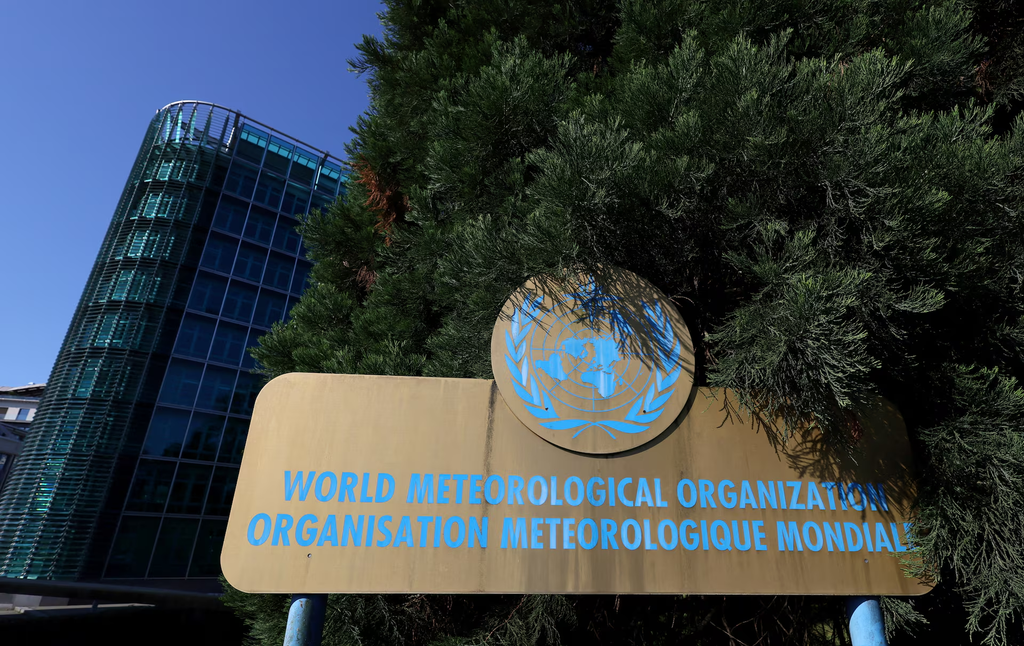
A new report released by the World Meteorological Organization (WMO) warns that there is an 86 percent chance that at least one year between 2026 and 2030 will become hotter than 2024, currently the warmest year ever recorded.
It also projected a 91 percent likelihood that global temperatures will temporarily exceed 1.5 degrees Celsius above pre-industrial levels during the same period.
For Africa, the report highlights major rainfall shifts and rising climate risks, particularly in the Sahel region, where wetter-than-normal conditions are expected between May and September over the next five years.
The Sahel stretches across several African countries, including Senegal, Mali, Niger, Chad and Sudan, and has long been vulnerable to climate shocks, food insecurity and displacement.
Scientists caution that wetter conditions may increase the risk of destructive flooding even as some farming areas could benefit from improved rainfall.
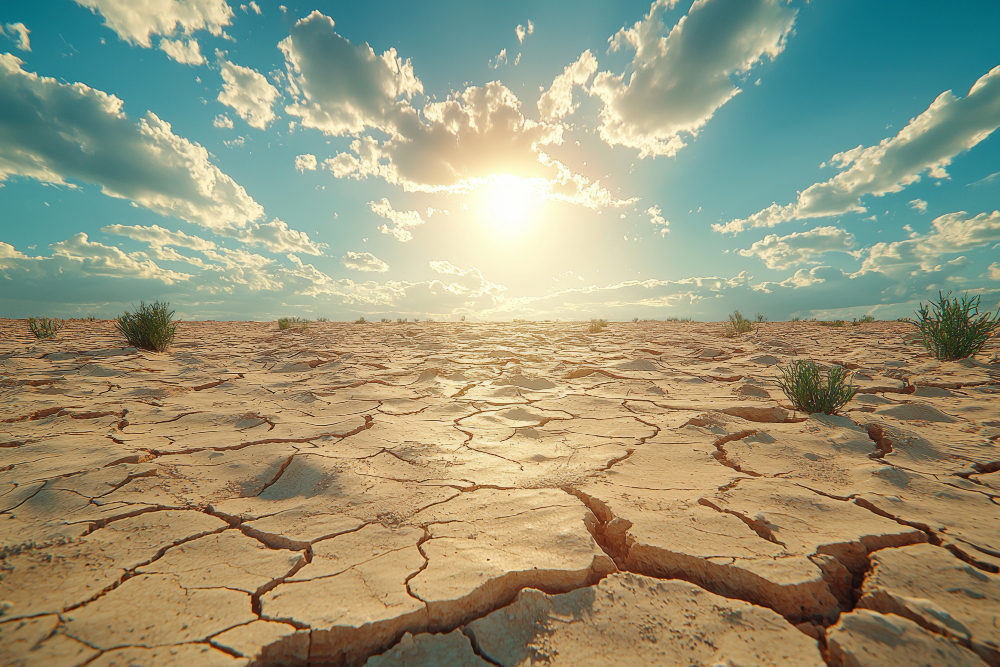
The WMO also warns that an El Niño weather pattern expected to develop from late 2026 could intensify climate disruptions across Africa.
“El Niño events affect temperature and rainfall patterns in different regions,” the WMO report says, noting that the phenomenon is typically associated with increased rainfall in the Horn of Africa and drought conditions in parts of southern Africa.
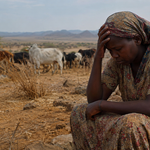
The report comes as many African countries continue to face severe climate-related disasters ranging from prolonged droughts in the Horn of Africa to deadly floods in East and West Africa.
According to the WMO, global warming driven by greenhouse gas emissions is increasing the intensity and frequency of extreme weather events worldwide.
The agency says annual global temperatures between 2026 and 2030 are expected to range between 1.3°C and 1.9°C above the 1850–1900 average.
Climate scientists have warned that even temporary breaches of the 1.5°C threshold could trigger devastating impacts on ecosystems, food production, water availability and public health.
The report also projects that Arctic winters will warm more than three times faster than the global average, while dry conditions are expected in the Amazon region.
WMO says the latest projections underline the urgent need for countries to strengthen climate adaptation and reduce greenhouse gas emissions to avoid more severe impacts in vulnerable regions such as Africa.