

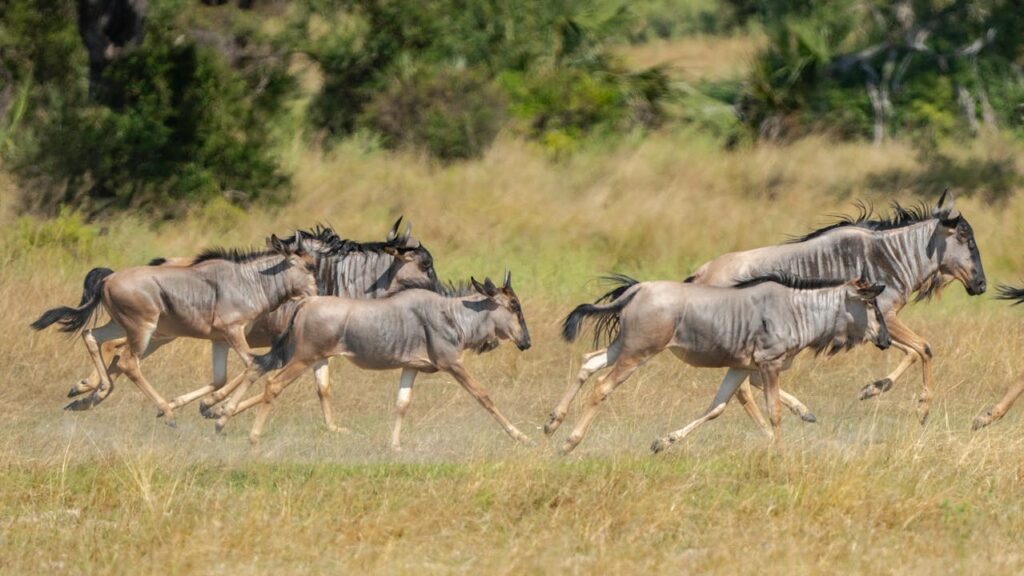

Kenya’s famed wildebeest migration is rapidly disappearing, with new scientific data showing that one of the key migratory routes in the Greater Mara ecosystem has declined by almost 90 percent in just five years.
According to a new analysis published in the Atlas of Ungulate Migration, the Mara-Loita wildebeest migration, which once moved tens of thousands of animals seasonally between the Maasai Mara and the Loita Plains, has been largely extinguished due to fencing, land subdivision, and expanding human development.
Researchers found that a migration route that supported more than 100,000 wildebeest as recently as 2020 has now shrunk to a fraction of its former scale, with most animals no longer able to complete their seasonal movements.
The study, conducted by scientists from the Smithsonian’s National Zoo and Conservation Biology Institute and the Global Initiative on Ungulate Migration (GIUM), used GPS tracking data and long-term land-use analysis to map the changes.
Their findings show that the primary cause of the collapse is the rapid spread of fences across previously open rangelands, particularly in Narok County, where communal land has increasingly been subdivided into privately owned plots.
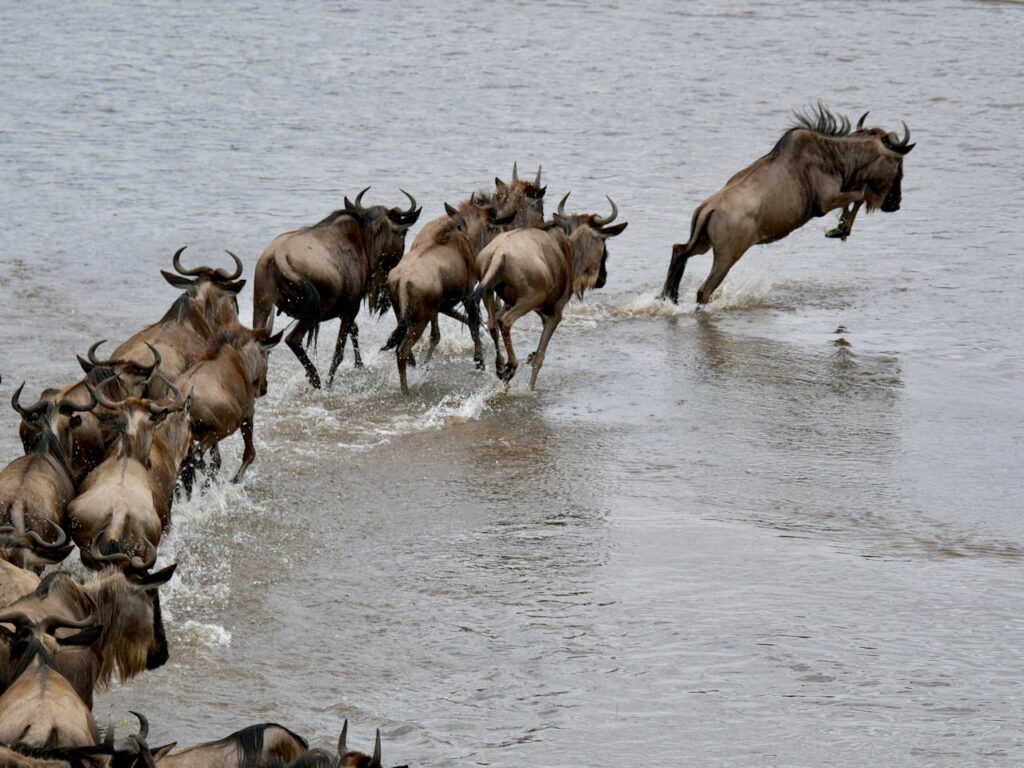
“These fences effectively block wildebeest from reaching dry-season grazing and water sources,” the report states. “Once migration routes are cut off, animals are forced to remain in smaller areas year-round, which has severe consequences for survival.”
Unlike the famous Serengeti–Mara migration, which still benefits from relatively open landscapes across Kenya and Tanzania, the Mara-Loita migration depended entirely on unfragmented land within Kenya. As fencing density increased, the migration corridor steadily narrowed until it became functionally unusable.
The loss of movement has been accompanied by a steep drop in population numbers.
Researchers estimate that the wildebeest population associated with the Mara-Loita migration has fallen from over 100,000 animals to fewer than 25,000, as limited access to pasture and water has increased mortality and reduced breeding success.
Wildebeest are highly dependent on seasonal mobility. During dry periods, they must travel long distances to find fresh grazing and reliable water. When confined to small areas, overgrazing and starvation become major risks.
“Migration is not optional for these animals,” the study notes. “It is fundamental to their survival.”
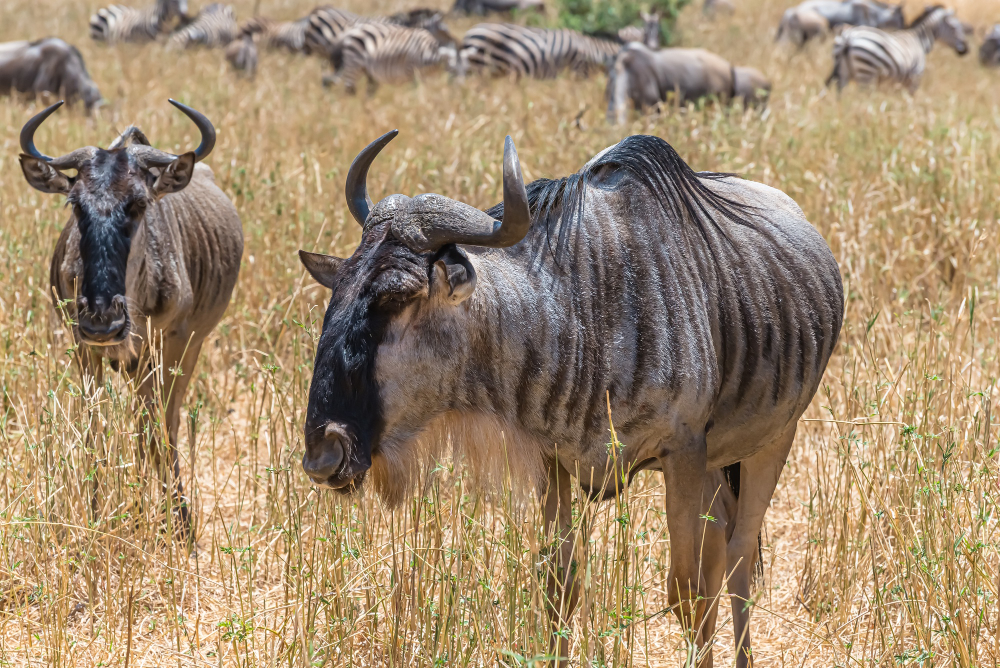
Conservationists warn that the collapse of the migration will have cascading effects across the Greater Mara ecosystem.
Large herbivore movements play a critical role in maintaining grassland health, dispersing nutrients, and supporting predator populations. Lions, hyenas, and scavengers depend on large, mobile herds for prey, while vegetation patterns are shaped by seasonal grazing pressure.
“When you lose a migration, you don’t just lose animals on the move,” said one of the report’s contributing scientists. “You alter the entire ecological rhythm of the landscape.”
The decline also threatens Kenya’s wildlife-based tourism economy, particularly community conservancies outside the core Maasai Mara National Reserve that rely on predictable wildlife presence to attract visitors.
While fencing is identified as the primary driver, the study warns that climate change is worsening the situation.
Increasingly erratic rainfall and prolonged droughts in southern Kenya have made mobility even more critical for grazing species. In fragmented landscapes, wildebeest are unable to adapt to shifting climatic conditions, increasing their vulnerability.
Scientists also caution that sedentary populations face higher risks of genetic isolation, disease outbreaks, and long-term decline.
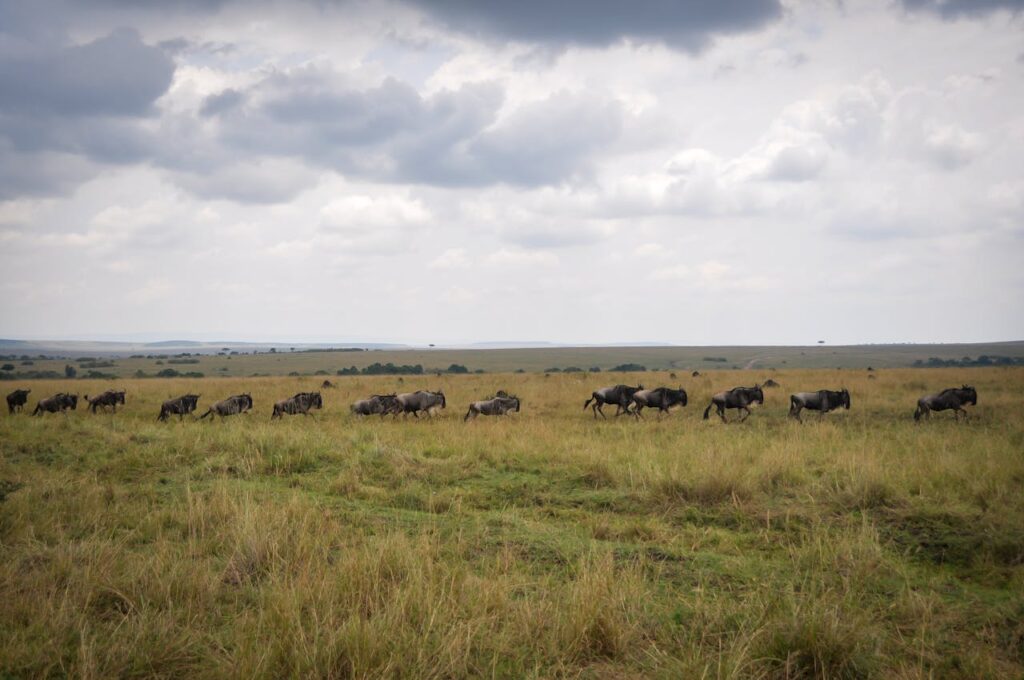
The Mara-Loita collapse is not an isolated case. Across Africa, ungulate migrations are shrinking or disappearing as infrastructure, agriculture, and settlements expand into traditional wildlife corridors.
The Atlas of Ungulate Migration documents multiple threatened migrations across the continent, identifying fencing and roads as the most significant barriers.
However, researchers note that Kenya’s case is particularly alarming because of the speed of the decline.
“To lose nearly an entire migration within five years is extraordinary,” the report states.
Scientists say recovery is possible, but only with urgent intervention.
The study calls for strategic land-use planning, protection of remaining corridors, and in some cases, removal or redesign of fences to allow wildlife passage. Similar efforts in parts of southern Africa have shown that migration routes can re-emerge if barriers are removed early enough.
Community engagement is also seen as essential, particularly in areas where landowners depend on fencing for livestock management and security.


whoah this blog is excellent i like studying your articles. Keep up the great work! You already know, many individuals are searching round for this information, you could aid them greatly.