

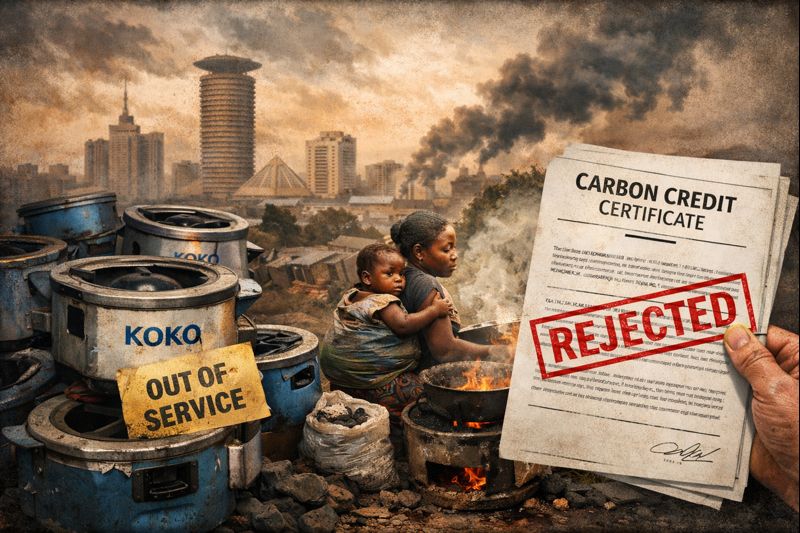

Koko Networks, a Kenyan clean-cooking startup, ceased operations on January 31, 2026. This abrupt closure led to the immediate layoff of its entire 700-person workforce.
The company, which provided bioethanol cookstoves, served approximately 1.3 million households across Kenya. This shutdown leaves millions vulnerable, potentially forcing them back to traditional, polluting fuels like charcoal and kerosene.
The health and environmental implications for these communities are significant. It reverses years of progress in clean energy adoption.
The core reason for Koko’s collapse was the Kenyan government’s refusal to issue a crucial Letter of Authorisation (LOA). This document was essential for Koko to sell carbon credits in international compliance markets.
Selling carbon credits was a key part of Koko’s business model. The company relied on these sales to subsidize its bioethanol fuel and cookstoves, making them affordable for low-income households.
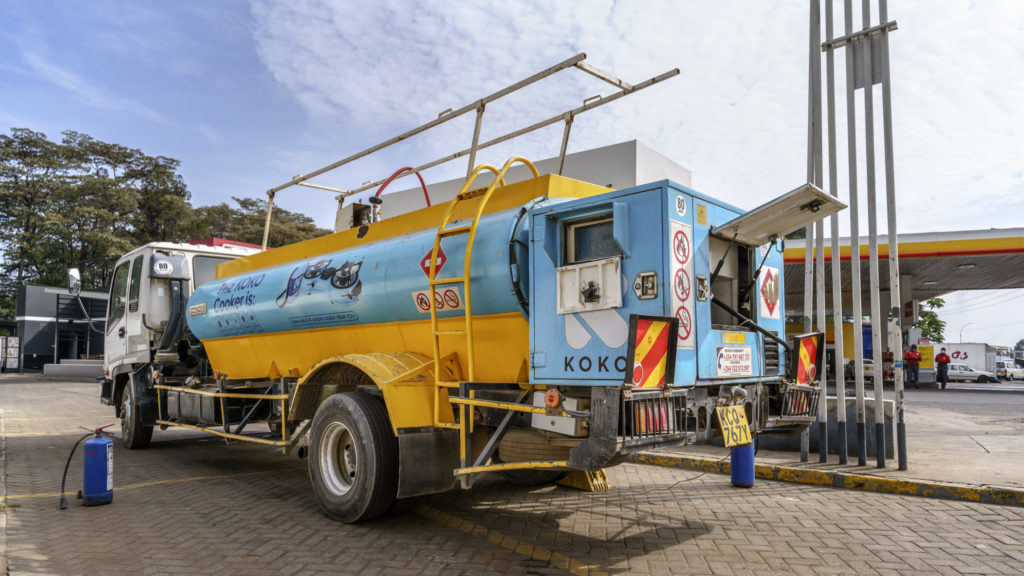
Without this revenue stream, Koko’s financial model became unsustainable overnight.
The dispute highlights growing concerns about the integrity of carbon offset markets. A 2024 study by UC Berkeley researchers found that cookstove carbon credits are often significantly overestimated.
This scientific skepticism adds another layer of complexity to the regulatory environment. Such findings can erode trust in carbon markets, making governments hesitant to approve projects.
This hesitation, in turn, directly impacts companies like Koko, which depend on these mechanisms for funding and operational viability.
Koko’s demise is more than just a business failure. It’s a critical test for the Article 6 framework of the Paris Agreement.
The incident raises serious questions about the stability of climate-related investments in emerging markets. Investors, including the World Bank, had backed Koko with significant guarantees.
The government’s actions, or inactions, could lead to claims of breach of contract. This could potentially deter future green capital from flowing into Africa.
This incident underscores the urgent need for clear, consistent, and transparent regulatory frameworks for carbon markets. Without them, the promise of climate finance for sustainable development in Africa remains fragile.
Ensuring the credibility and viability of carbon markets requires robust methodologies and predictable government support. The Koko Networks story serves as a powerful reminder that administrative hurdles can have devastating real-world consequences for both businesses and communities.

When will koko fuel be back