

Kenya can meet only part of its population’s dietary needs from domestic production, highlighting the country’s continued dependence on imports to achieve a balanced diet
A study by Nature Food finds that Kenya produces enough food to cover three out of seven essential food groups.
The study covers key categories of food, including starchy staples, fruits, vegetables, dairy, meat, fish, and legumes, offering a more complete picture of national food independence. Even major agricultural producers like the United States and China still depend on imports for at least one of these groups.
Guyana is the only country in the world that produces enough of all seven essential food groups to meet domestic demand. China and Vietnam come close, each covering six out of seven groups.
Across the region, Kenya shares this position with several of its East African neighbors, including Uganda, Tanzania, Rwanda, and Burundi, all of which also meet roughly three food groups through domestic production.
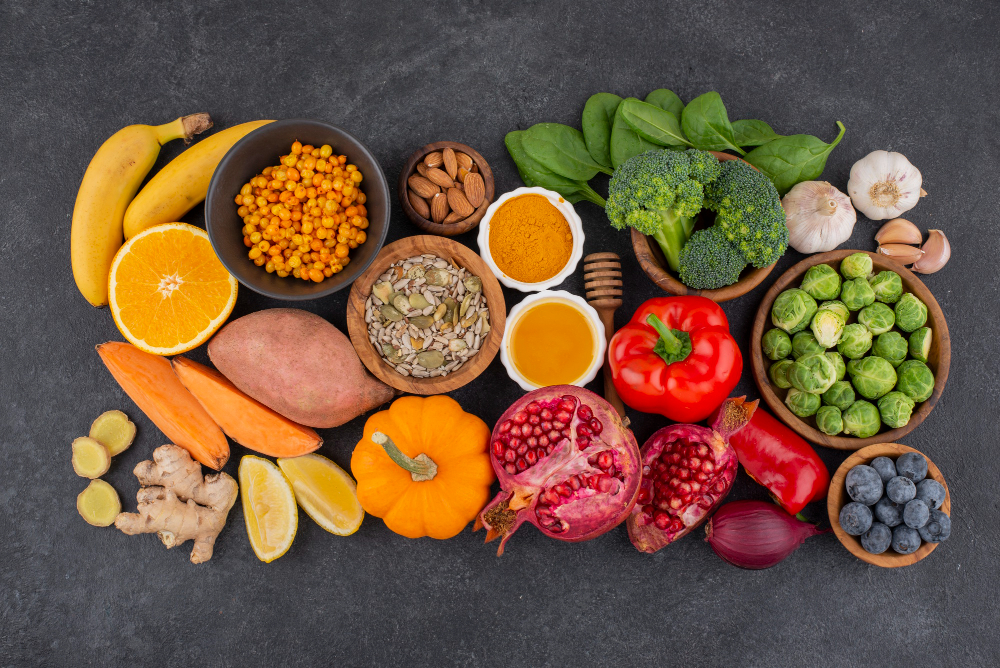
Analysts say this reflects a common structural pattern across East Africa, where countries are able to produce staple crops such as cereals but fall short in other categories like dairy, protein, or fruits and vegetables.
“Most countries are not failing to produce food, but rather they are failing to produce a balanced diet,” the report notes, pointing to gaps in nutritional diversity rather than absolute food shortages.
In Kenya, agriculture remains a key pillar of the economy, employing a significant share of the population. However, recurring droughts, changing rainfall patterns, and limited irrigation infrastructure continue to constrain output, particularly in high-value and nutrition-sensitive sectors.
Regionally, South Sudan emerges as the best performer among the countries analysed, producing enough to cover four out of seven food groups. While this places it ahead of its neighbors on paper, experts caution that conflict and weak infrastructure continue to limit actual food access for much of its population.
Ethiopia, despite having one of the largest agricultural sectors in Africa, falls below regional peers, meeting just two food groups. Analysts point to limited diversification and climate shocks as key constraints.
At the other end of the spectrum, the Democratic Republic of the Congo and Somalia rank among the poorest performers, each meeting only one out of seven food groups domestically. The report attributes this to a combination of prolonged instability, underdeveloped agricultural systems, and heavy reliance on food imports and aid.
While Kenya has built a relatively strong agricultural base, experts say greater investment in irrigation, value chains, and climate-resilient farming will be critical to improving dietary diversity and reducing dependence on imports.