

As school gates shut and children spill into the streets, Nerima feels a rare sense of relief. With the April holidays here, she will not have to negotiate rushed mornings and skipped breakfasts with her daughter. At home, she can prepare a proper meal, not just for her child’s health, but increasingly for what it represents.
“During school days, she leaves early, so she doesn’t take breakfast. And at school, there is only what they offer,” she says.
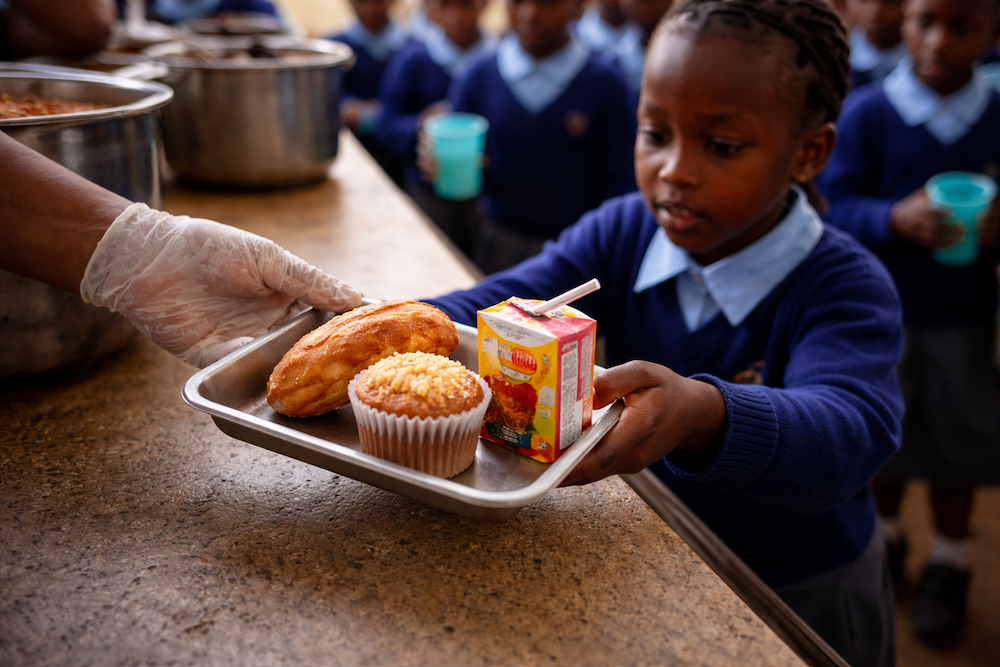
What the private school offers is a familiar snack box of mandazis, sugary cakes, and sweetened juice or tea. Cheap, convenient, and widely accepted, these foods are not only nutritionally imbalanced, but they are also part of a larger, industrialised food system built on refined ingredients, heavy processing, and long supply chains that disconnect food from its ecological roots.
In that small detail, what a child is allowed to carry in her school bag lies a much bigger story about how modern food systems shape both human health and environmental sustainability. From Nairobi to Rio de Janeiro, the question is no longer just whether schools are feeding children, but what kind of food systems they are reinforcing, either extractive and industrial, or regenerative and local.
Kenya stands at the frontline of this transition. In urban and peri-urban schools, children’s diets are increasingly defined by pre-packaged snacks and vendor-supplied foods. These ultra-processed items, often made from imported wheat, sugar, and additives, carry a growing environmental footprint, from carbon-intensive production to plastic packaging waste that ends up in landfills and waterways.
Public health expert and Nutrition International’s Country Director for Kenya, Martha Nyagaya, notes that the country is facing a “triple burden of malnutrition”, embodied in persistent undernutrition, rising obesity, and climate-driven food insecurity.
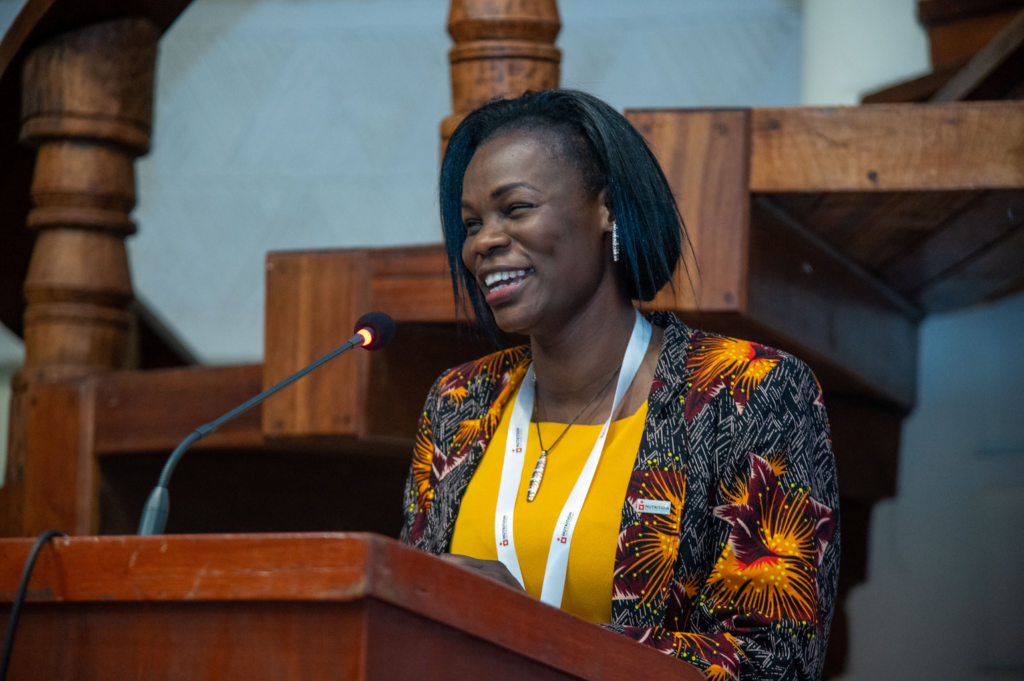
“We are among the few countries experiencing all forms of malnutrition at once. At the same time, ultra-processed food consumption is rising rapidly, especially among children,” she explains.
But beyond health, there is a parallel environmental cost. Highly processed foods often rely on monoculture farming systems, long-distance transport, and energy-intensive manufacturing, contributing to greenhouse gas emissions and weakening local food resilience. In contrast, fresh, locally sourced foods tend to have shorter supply chains and can support biodiversity and smallholder farmers.
Yet many schools in Kenya operate under tight budgets and profit margins, prompting them to outsource food provision to vendors who prioritise affordability and convenience. In such systems, environmental sustainability is rarely considered, and food becomes a commodity stripped of its ecological and cultural context.
Elsewhere, different models are emerging. In Brazil, the EDI Gabriela Mistral early childhood centre in Rio de Janeiro offers a glimpse of what a more sustainable school food system can look like. Under the country’s National School Feeding Program (PNAE), meals are built around fresh, minimally processed foods, with at least 30 per cent sourced directly from local farmers.
“We prioritise health, nutrition, and social growth as core pillars,” says school principal Renata Neves.
Typical meals including rice, beans, vegetables, fruits, and proteins are not only nutritionally balanced but also environmentally conscious. By linking schools to local agriculture, the programme reduces food miles, supports agroecological practices, and strengthens rural livelihoods.
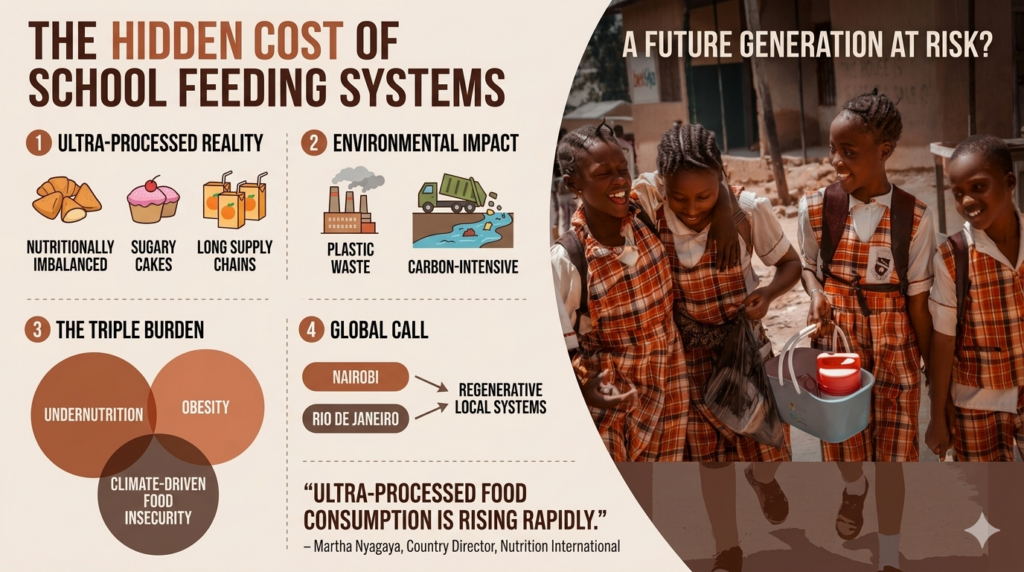
Aline Borges, president of the Municipal Institute of Sanitary Surveillance (IVISA-Rio), explains that the system is designed to balance health and sustainability: “The program ensures access to balanced meals and limits ultra-processed items while emphasising fresh foods.”
Recent regulatory changes have pushed Brazil even further, tightening restrictions on ultra-processed foods in schools, a move driven by years of research and advocacy. At EDI Gabriela Mistral, food education goes beyond the plate. Children plant, harvest, and cook, learning to see food as something grown, not just bought.
“We teach them not just to eat, but to take care of the land,” says Laura Ribeiro, a socio-environmental educator. “They learn that spinach is not just from a supermarket, it grows, changes with seasons and connects them to the earth.”
This integration of food, ecology, and culture stands in stark contrast to systems where meals are outsourced, packaged, and consumed without any understanding of origin or impact.
Across Africa, similar shifts are beginning to take root. In Ouagadougou, Burkina Faso’s “Good Food at School” initiative connects local farmers directly to school feeding programmes, embedding nutrition within local agricultural systems. In Ghana, policy measures like banning salt shakers in restaurants signal growing awareness of how food environments shape public health and indirectly, food production patterns.
“These schools are not passive recipients. They are decision-making spaces where communities shape menus and nutrition education,” says Homère Sidwayan Ouedraogo, a senior official in Ouagadougou.
In Kenya, however, the framework is still evolving. While the Ministry of Education is working on school meal standards, implementation remains uneven. Meanwhile, the broader food environment dominated by aggressive marketing, cheap processed foods, and weak regulation continues to shape what children eat.
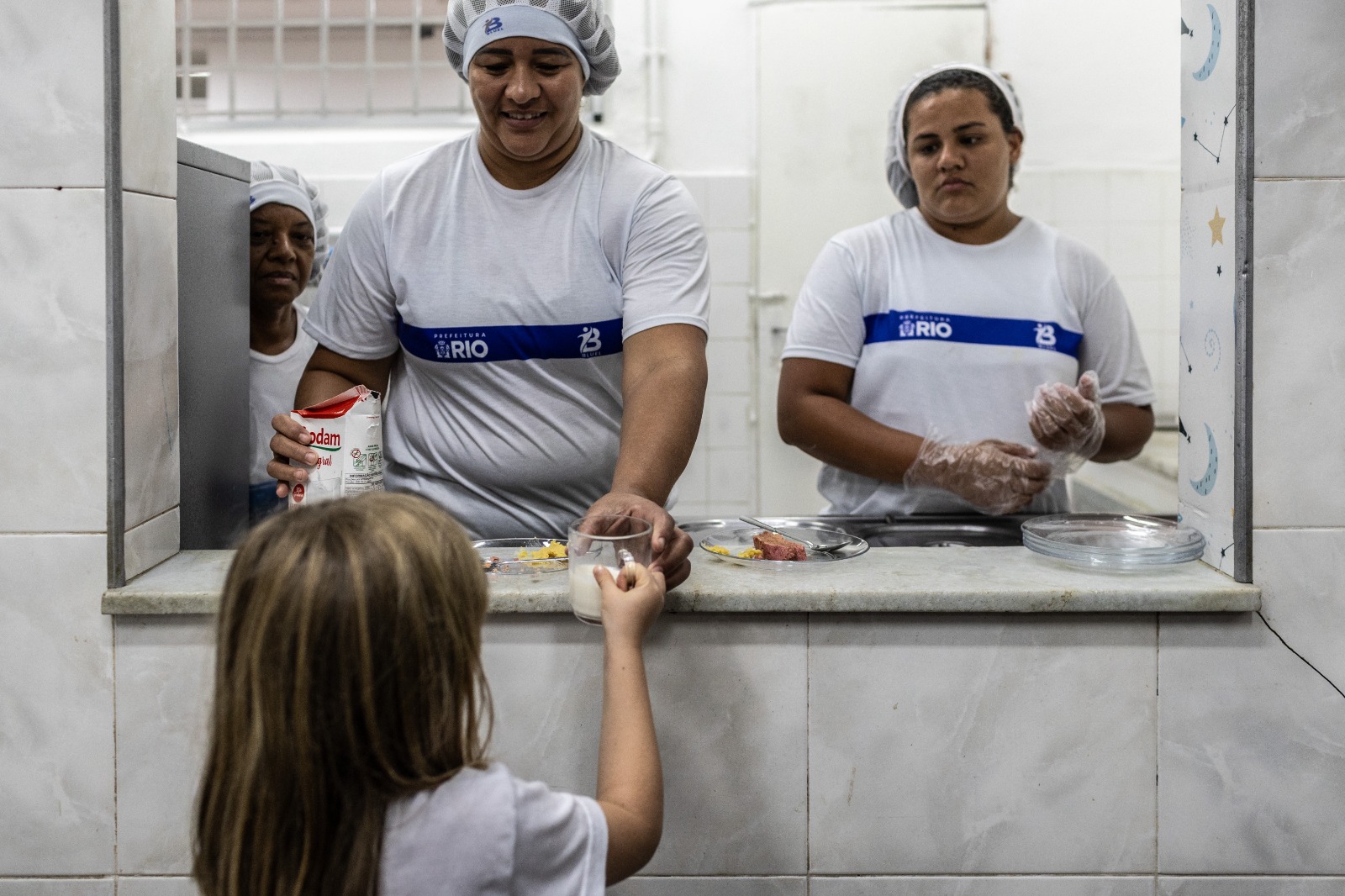
The consequences are both medical and environmental. Diet-related diseases are rising, while the food system itself contributes to environmental degradation from plastic waste to emissions tied to imported and processed foods.
Globally, even in developed regions like Greater Manchester in the UK, research shows that children’s food choices are shaped less by individual decisions and more by their environments. Authorities there have responded with zoning laws and expanded school meal programmes, recognising that food systems need reform.
Experts argue that the same applies in Kenya and across the Global South. Ultra-processed foods were strategically marketed as symbols of modernity and convenience. “They were positioned as progress, and undoing that perception takes decades,” says Brazilian health activist Paula Jones.
For Kenya, the stakes are high. The country must not only address malnutrition but also rethink how its food systems interact with climate change, agriculture, and waste. Schools, experts say, are one of the most powerful entry points. They can either reinforce a globalised, high-carbon, ultra-processed food system or help rebuild a local, sustainable system rooted in fresh foods, local farmers, and ecological awareness.
“There is strong evidence that where regulation is robust, and where fresh foods are prioritised, children eat better and systems become healthier overall,” Jones explains.
Back in Nairobi, when school resumes in just over a week, Nerima will once again navigate the constraints of what is allowed and what is available. Her choices, like those of millions of parents, are shaped by a system far larger than her household.
But the question now extends beyond nutrition alone. It is about the kind of future being served to children every day: Should school meals prioritise convenience and profit or health, sustainability, and the planet itself?