
By Matthew Stewart
Scientists and climate agencies worldwide are warning that a potentially powerful El Niño weather pattern is likely to lead to floods, landslides, and severe weather disruptions across East Africa, particularly in Kenya, Somalia, Ethiopia, and Tanzania.
Scientists tracking the Pacific Ocean say sea surface temperatures are warming rapidly, with some forecasts suggesting the event could rival the strongest El Niño episodes recorded in 1982, 1997 and 2015.
For East Africa, the biggest concern is the likelihood of above-normal rainfall during the October to December short rains season, which historically becomes wetter during El Niño years.
Forecasters warn that the region could experience flash floods, overflowing rivers, destruction of roads and displacement of communities if the warming intensifies.
Some projections indicate that parts of East Africa could first experience suppressed rainfall during the middle of the year before intense flooding later in 2026 to early 2027.
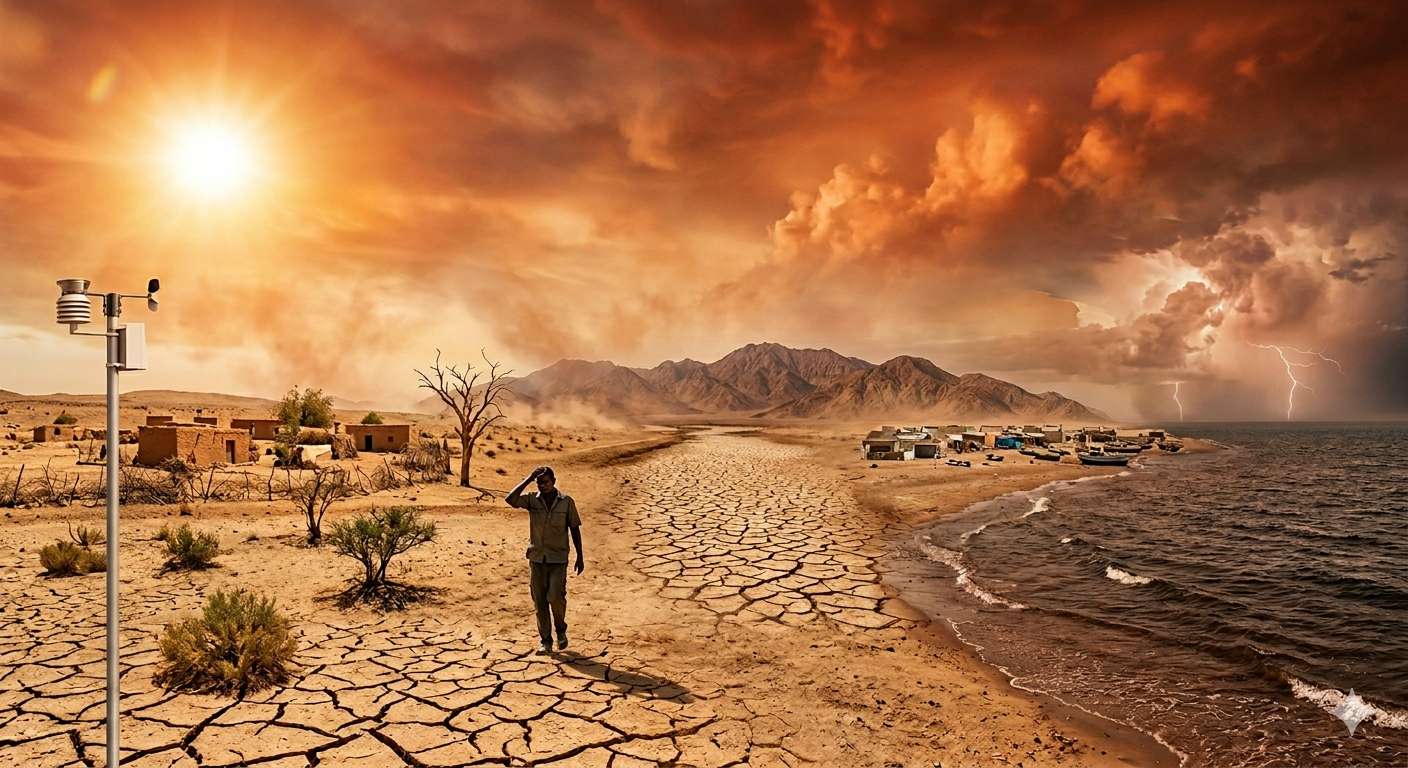
East Africa is highly vulnerable to El Niño because its weather patterns are intimately linked to cyclical changes in sea surface temperatures in the Indian Ocean. When sea surface temperatures in the western Indian Ocean are warmer than those in the east, it creates a pressure system that funnels massive amounts of moist air directly over East Africa. When this combines with Pacific Ocean warming, it consistently leads to unusually heavy rains.
Climate experts say the developing events in the Pacific Ocean could become a “Super El Niño”, an unusually intense warming of Pacific Ocean waters capable of reshaping global weather systems and triggering extreme rainfall, droughts and heatwaves in different parts of the world.
Records show that the last Super El Niño of the magnitude now being predicted occurred in 1877, when an estimated 30 million to 50 million people died globally from floods, landslides, disease outbreaks, and food shortages.
Regional climate experts from the Intergovernmental Authority on Development Climate Prediction and Applications Centre (ICPAC) say Africa remains highly vulnerable to extreme weather shocks linked to climate variability.
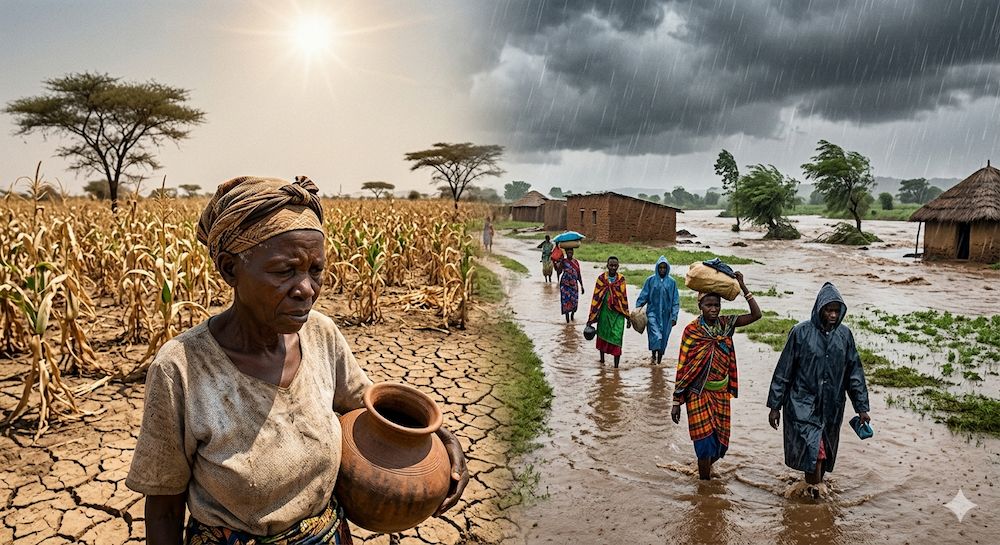
Previous El Niño events destroyed homes, submerged roads, swept away livestock and disrupted farming activities across several counties.
Meteorologists warn that while heavy rainfall can replenish dams, support hydropower production and improve crop yields in some areas, the impacts can quickly become destructive when drainage systems and settlements are unprepared.
The emerging forecast comes as climate change continues to amplify extreme weather across the Horn of Africa, where communities are already struggling with cycles of drought, flooding and food insecurity.
Global agencies are now urging governments to strengthen early warning systems, improve disaster preparedness and protect vulnerable populations ahead of the expected rains.
Experts caution, however, that uncertainty remains about the event’s final strength. Some scientific studies suggest a weaker El Niño or even neutral conditions are still possible, although the probability of a strong event has increased sharply in recent weeks.