
Climate change is weakening human relationships, increasing loneliness, disrupting communities, and undermining society’s ability to respond collectively to environmental crises, a new global study has established
The study, published in the journal Nature Human Behaviour, argues that “social health”, defined as people’s ability to build and maintain meaningful relationships and community connections should be treated as a central pillar of climate resilience and public health policy.
Researchers from institutions across Australia, Kenya, the United Kingdom, Canada, Japan, Nigeria found that climate change is increasingly eroding the social fabric of societies through displacement, disasters, food insecurity, economic stress, forced migration, and mental health pressures.
At the same time, they found that loneliness and social disconnection are weakening collective climate action and reducing communities’ resilience to environmental shocks.
The study, titled Climate change and social health, brought together evidence from dozens of studies examining the links between environmental disruption and human social wellbeing. The authors described the relationship as “bidirectional,” meaning climate change damages social cohesion while weakened social ties make it harder for societies to adapt to climate threats.
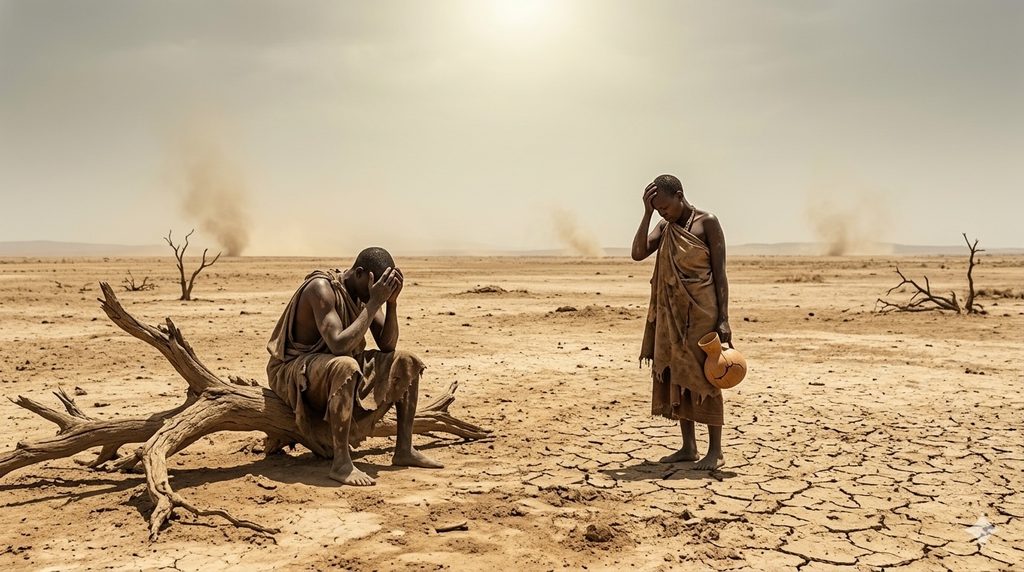
The researchers said extreme weather events such as droughts, floods, wildfires and heatwaves are increasingly displacing populations, fracturing communities, and increasing social isolation.
They noted that vulnerable groups including older people, rural populations, migrants, Indigenous communities and low-income households face heightened risks of loneliness and psychological distress during climate-related crises.

The study also highlighted how prolonged climate stress can intensify conflict within families and communities. Rising temperatures and resource scarcity were linked in earlier research to increased interpersonal violence, migration pressures and political tensions.
Researchers warned that climate anxiety and ecological grief are becoming major psychological burdens, especially among young people who fear environmental collapse and uncertain futures. The paper cited evidence showing climate-related distress can influence reproductive decisions, social participation, and people’s sense of identity and belonging.
In East Africa, the study referenced research on climate-related displacement affecting communities such as the Maasai, where prolonged droughts and environmental degradation have disrupted traditional livelihoods, migration patterns and social structures.
The authors argue that social relationships are not merely emotional support systems but are critical infrastructure during crises. Communities with stronger social cohesion were found to recover faster from disasters, share resources more effectively, and mobilize more successfully around climate adaptation measures.
The study drew on evidence from previous disasters and heatwaves showing socially connected communities experience lower mortality rates and improved recovery outcomes. Researchers said isolated individuals are often at greater risk during extreme weather because they lack support networks, access to information, transportation, or emergency assistance.
The paper also suggests that social connection can become a powerful driver of climate action. Researchers found that people embedded in strong community networks are more likely to engage in pro-environmental behaviour, climate advocacy and collective adaptation programmes.
The authors propose a new conceptual framework showing how climate change affects social health through pathways such as housing instability, forced mobility, economic insecurity, environmental grief, and declining community cohesion. In turn, deteriorating social health can fuel political disengagement, mistrust, anxiety and weakened climate cooperation.
The study calls on governments and international organizations to integrate social health into climate and health governance. Researchers say policies should focus not only on physical infrastructure and emissions reduction but also on strengthening community ties, social protection systems, inclusive urban planning and mental health support.
The authors further urge policymakers to treat loneliness and social isolation as public health concerns linked directly to climate vulnerability. They point to earlier studies showing loneliness is associated with inflammation, cardiovascular disease, stroke risk and higher mortality rates.
The paper comes amid growing evidence that climate change is affecting human health in increasingly complex ways. Recent studies have warned that extreme heat is already reaching potentially critical conditions in some parts of the world, particularly for older people, while climate-linked environmental stress is also being linked to declining fertility and worsening mental health outcomes.
Researchers concluded that strengthening human connection may become one of the most important tools in confronting the climate crisis. They argue that resilient societies will depend not only on technology and infrastructure, but also on trust, solidarity, collective action and strong social networks.