
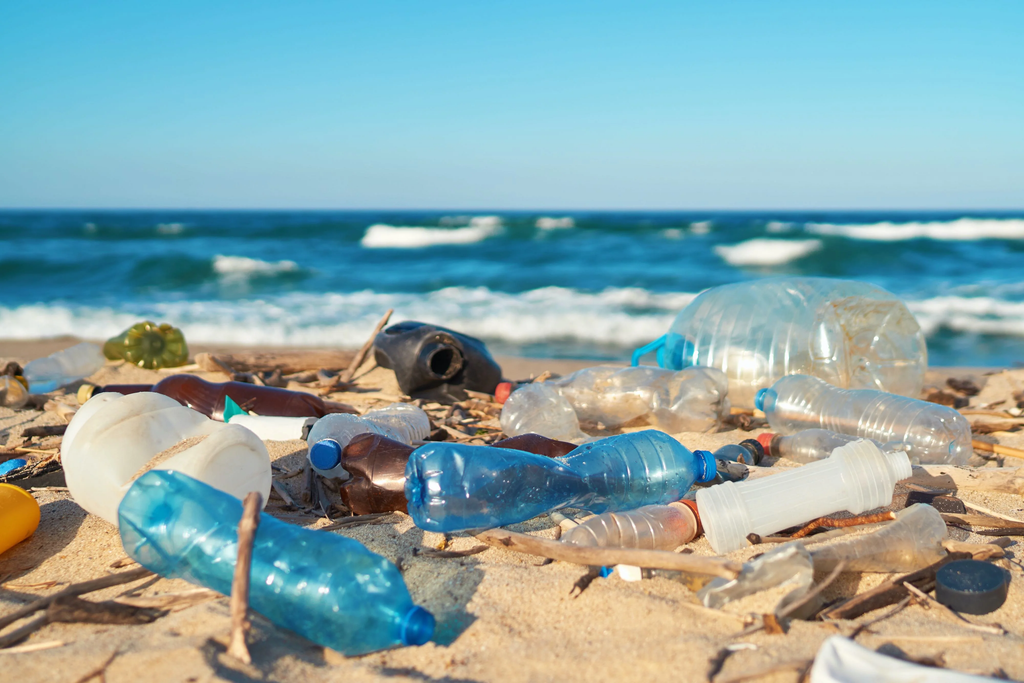

Every day, millions of Kenyans reach for a bottle of water believing they are making the safest choice for their health. But within minutes, many of those bottles begin a very different journey.
Some are collected by waste pickers and recycled. Others are discarded along roadsides, dumped in overflowing bins, washed into rivers during heavy rains or carried downstream into lakes and the Indian Ocean.
Under the relentless African sun, these bottles gradually break down into tiny plastic fragments known as microplastics and nanoplastics, which have become part of a global pollution crisis that scientists warn is increasingly finding its way back into the human body.
These particles have been detected in drinking water, seafood, table salt, human blood, lungs, placentas and even brain tissue. While researchers are still studying the long-term health implications, the discoveries have intensified calls to tackle plastic pollution at its source rather than simply manage waste after it is created.
Against this backdrop, a decision by the Kenya Revenue Authority (KRA) has triggered a national debate extending far beyond taxation.
On July 1, KRA removed excise duty and mandatory excise stamp requirements on bottled water under the Finance Act, 2026. This means that manufacturers and importers will no longer pay the previous excise tax of Sh6.41 per litre or the Sh0.50 excise stamp fee.
The policy is expected to lower retail prices and make bottled water more affordable for consumers.
For many households, especially in urban areas where confidence in public water supplies remains inconsistent, the move is welcome.
Government officials have argued that reducing the tax burden can improve access to safe drinking water while easing the cost of living and preventing water-borne diseases.
But environmental campaigners warn that cheaper bottled water could come with a hidden cost of increased dependence on single-use plastic.
Environmental activist James Wakibia argues that Kenya risks undermining years of progress in fighting plastic pollution.
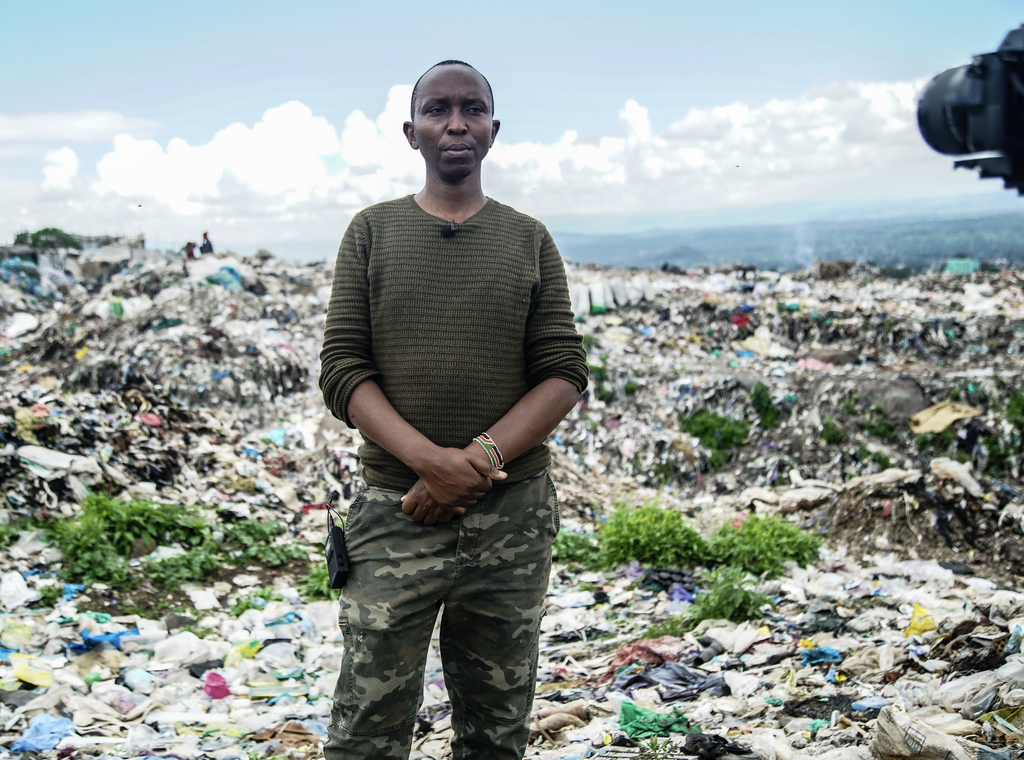
“The fight against plastic pollution cannot be won if policies make single-use plastics cheaper than sustainable alternatives,” Wakibia says, calling instead for investment in refill stations, public drinking water infrastructure and reusable packaging systems.
“A tax reduction may provide immediate relief to consumers, but its long-term success will depend on whether Kenya simultaneously strengthens waste management systems and invests in sustainable alternatives,” Wakibia says.
The debate reflects a global challenge facing governments on how to balance affordability, public health, economic realities and environmental protection.
Economists have long recognised that lower prices generally increase consumption. For bottled water, that relationship has environmental consequences as every additional bottle sold represents another piece of plastic entering Kenya’s waste stream.
If collection and recycling expand at the same pace, the impact can be reduced. But where waste systems cannot keep up, more bottles end up in dumpsites, drainage channels, rivers and eventually oceans.
According to the United Nations Environment Programme (UNEP), between 19 million and 23 million tonnes of plastic waste enter aquatic ecosystems every year, threatening biodiversity, fisheries and coastal economies.
UNEP warns that without major changes in production and consumption patterns, global plastic waste could nearly triple by 2060.
“The visible plastic waste we see is only part of the problem,” says Susan Gardner, Director of UNEP’s Ecosystems Division, noting that larger plastic products gradually fragment into microscopic particles that persist in the environment for decades.
UNEP has warned that plastic pollution can no longer be treated simply as a waste-management issue. It has become a challenge affecting ecosystems, climate and human health.
Kenya generates hundreds of thousands of tonnes of plastic waste annually, with beverage bottles among the fastest-growing categories.
The country has made progress in developing a circular economy for plastics, supported by private companies, recycling organisations, county governments and thousands of informal waste collectors. However, recovery remains far below total consumption.
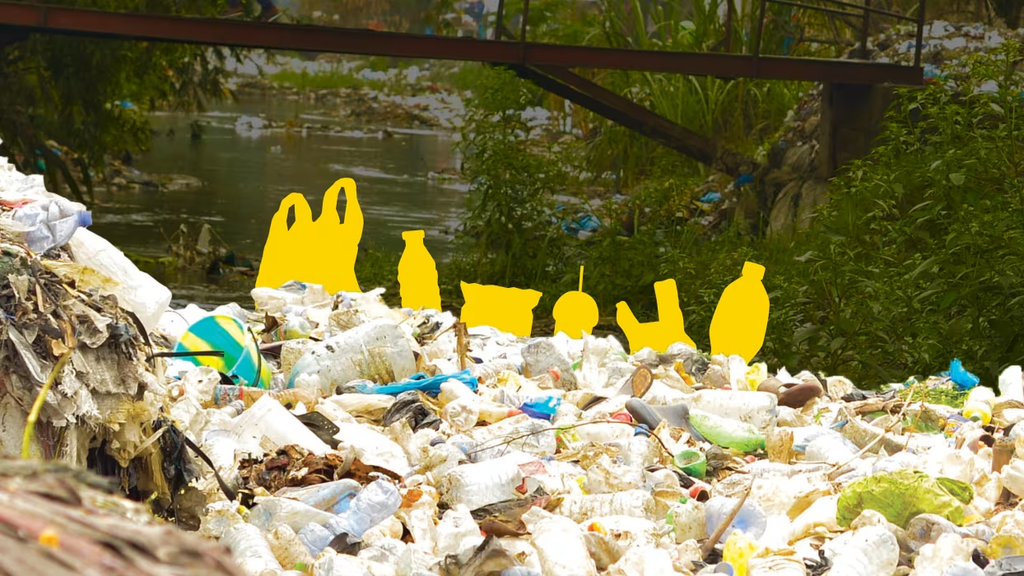
Across cities, discarded plastic bottles are a common sight along highways, rivers and drainage systems. During heavy rainfall, blocked drainage contributes to flooding, while plastics washed downstream accumulate in rivers, lakes and coastal ecosystems.
Marine scientists at the Kenya Marine and Fisheries Research Institute (KMFRI) have documented growing plastic pollution along Kenya’s coastline, where discarded plastics threaten turtles, seabirds, fish and other marine life.
When marine animals ingest plastic fragments, the particles can affect feeding, growth and survival. For coastal communities dependent on fisheries and tourism, plastic pollution is increasingly becoming both an environmental and economic concern.
Although Kenya’s recycling sector is growing, recycling alone cannot solve the problem as collection systems remain uneven, meaning many bottles never reach recycling facilities. Instead, they are burned, buried or washed into waterways.
The National Environment Management Authority (NEMA) has consistently promoted stronger waste management, Extended Producer Responsibility regulations and sustainable production and consumption practices.
The principle behind these reforms is that waste cannot be managed effectively if the volume of waste continues increasing.
Supporters of the KRA tax relief argue that affordable bottled water addresses a genuine public need. Critics, however, say the move must be accompanied by investment in refill infrastructure, public water systems and stronger recycling networks.
The solution, environmental experts argue, is not making safe water inaccessible, but it is reducing dependence on disposable packaging.
Countries such as Germany, Norway and parts of Australia have introduced deposit-return systems where consumers receive financial incentives for returning empty beverage containers.
For Kenya, similar approaches could strengthen the circular economy while encouraging sustainable consumer behaviour.
The debate also has a climate dimension. Plastic production relies heavily on fossil fuels, and emissions occur throughout its lifecycle from extraction of raw materials to manufacturing, transportation and disposal.
For a country already facing climate pressures through droughts, floods and changing rainfall patterns, reducing unnecessary plastic production is part of a wider sustainability challenge.
Ultimately, the bottled water debate is not only about bottles. It is about how society defines value. A cheaper bottle today may appear affordable at the point of purchase, but the environmental costs may emerge years later in polluted rivers, damaged ecosystems and microscopic plastic particles circulating through the planet’s natural systems.
The question facing Kenya is whether affordable water must come in a disposable bottle, or whether the country can build systems that protect both public health and the environment.