

By Waweru Wairimu
Community conservancies across four northern Kenya counties have shared Sh655 million in carbon credit revenues in one of the country’s largest community conservation payouts, underscoring the growing economic value of protecting rangelands and wildlife habitats.
The latest disbursement saw Isiolo receive Sh258.8 million, Samburu Sh248.8 million, Laikipia Sh126.6 million, and Marsabit Sh30 million, with the funds expected to finance community development projects while improving household livelihoods.
The payments stem from the Northern Kenya Rangelands (NRT) Carbon Project, a pioneering initiative that rewards pastoral communities for restoring degraded grazing lands through sustainable livestock management.
By adopting planned grazing systems, protecting vegetation and improving rangeland health, participating conservancies increase the amount of carbon stored in soils and vegetation. The resulting carbon credits are independently verified and sold on the voluntary international carbon market, with revenues returned to participating communities through agreed benefit-sharing mechanisms.
Since its inception, the project has transformed conservation from an environmental obligation into a viable economic enterprise for pastoral communities.
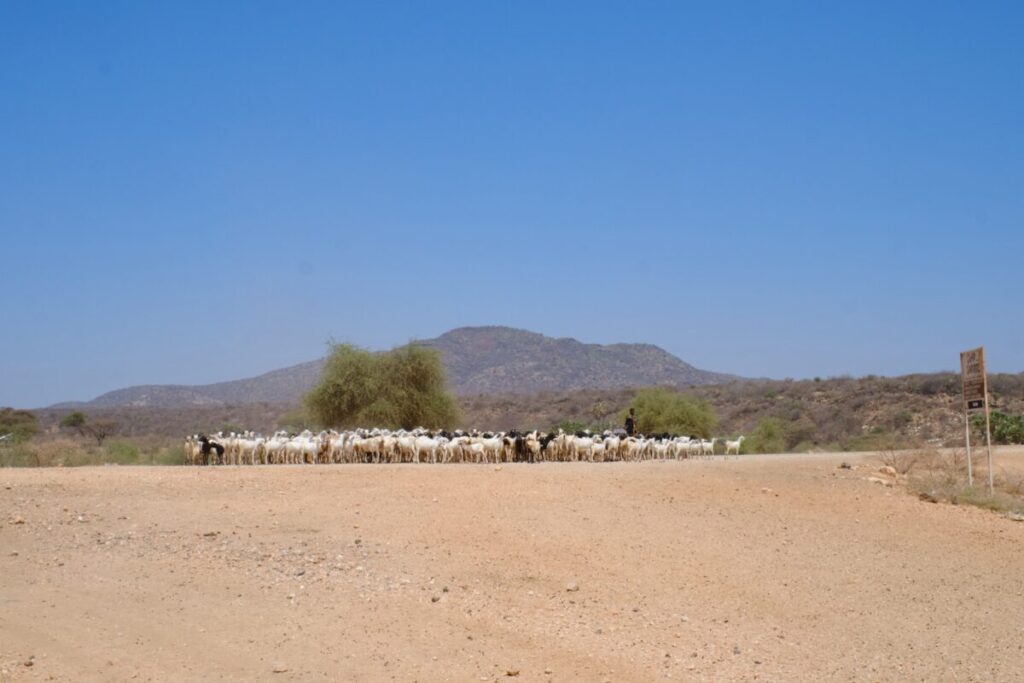
Millions of shillings generated from carbon credit sales have been invested in education, healthcare, water infrastructure, security, women’s empowerment, youth programmes and livelihood diversification across participating conservancies.
The latest revenue distribution is expected to further strengthen these investments while cushioning pastoral communities against recurring droughts and the effects of climate change. Community leaders say the funds have enabled children to remain in school through bursaries, expanded access to clean water, improved health facilities and supported community enterprises that generate sustainable incomes.
Speaking during the distribution of the funds, leaders urged beneficiaries to invest part of the carbon revenues in productive ventures such as livestock improvement, agriculture, small businesses and savings schemes to ensure the payments create lasting economic benefits beyond the annual disbursements.
The project has also reinforced conservation efforts by demonstrating that healthy ecosystems have measurable economic value.
Communities now have a direct financial incentive to protect wildlife habitats, reduce land degradation and embrace sustainable grazing practices that improve both biodiversity and livestock productivity.
Kenya is increasingly positioning itself as a regional leader in community-led carbon finance through policies aimed at ensuring local communities receive a fair share of revenues generated from carbon markets.