
By Achieng’ Otieno
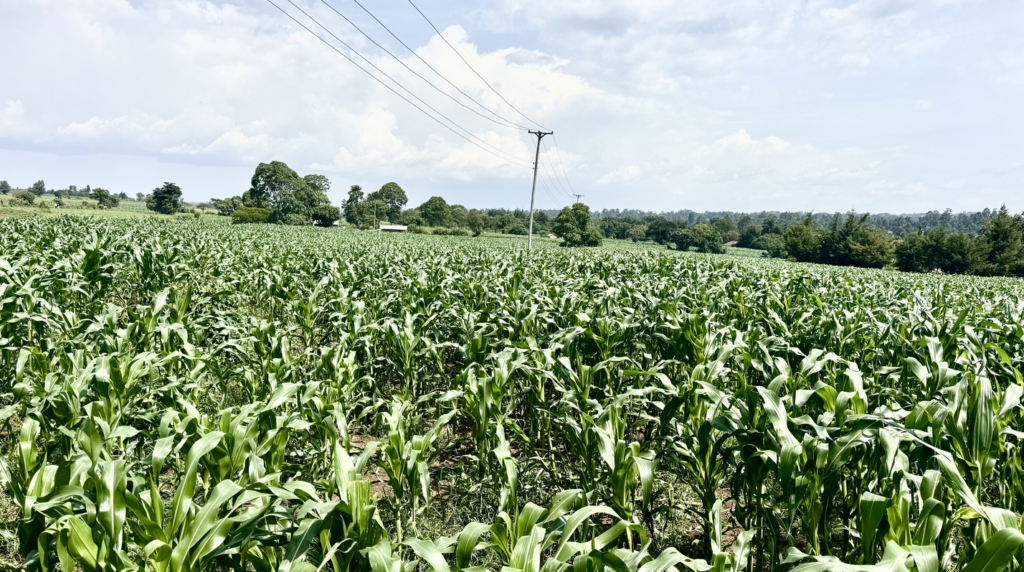
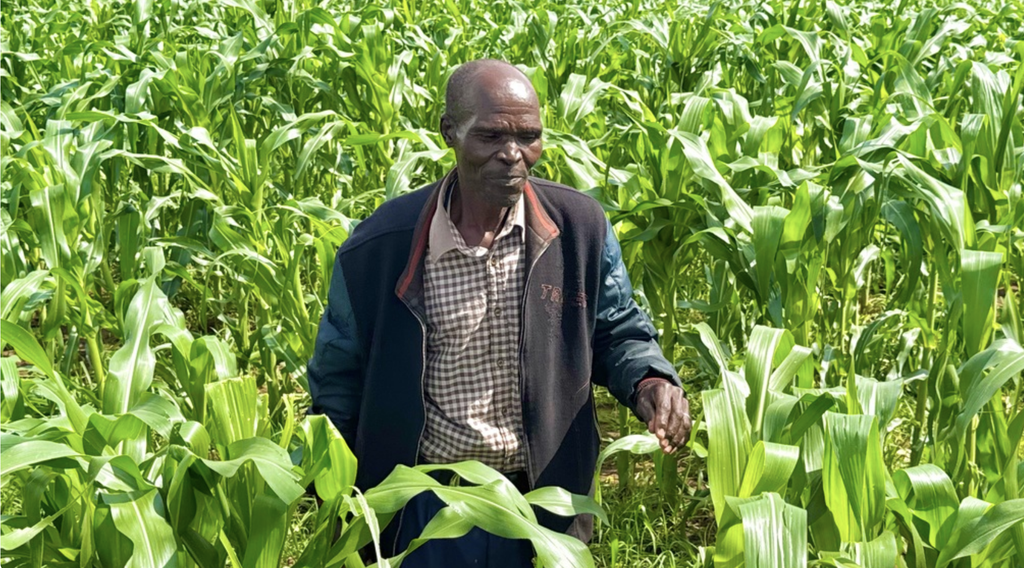
Standing in a lush green maize field in Trans-Nzoia County, 71-year-old farmer Philip Kitur should be looking forward to a bumper harvest. Instead, he is anxious.
His 41-acre farm at Kipkeikei village is ready for top dressing, but he has been unable to secure urea fertilizer, a critical input that could determine whether his crop reaches its full potential.
“The maize needs fertilizer now. Without it, I could lose nearly a third of my harvest,” Kitur told Mongabay.
Kitur’s predicament reflects a growing concern across Kenya’s agricultural sector as escalating tensions in the Middle East threaten global fertilizer supplies and drive-up production costs for farmers.
Agriculture Cabinet Secretary Mutahi Kagwe is however arraying the fears, saying Kenya currently has sufficient fertilizer stocks, including about two million bags of top-dressing fertilizer, but acknowledges that the government is preparing for possible supply disruptions.
“We cannot predict how long the conflict in the Middle East will last,” Kagwe said. “That is why we are already engaging Algeria for urea supplies and Morocco for additional fertilizer to safeguard the country’s food security.”
The concerns stem from the strategic importance of the Persian Gulf to the global fertilizer trade. Nearly one-third of the world’s seaborne urea passes through the region, while Kenya imports about 26 percent of its fertilizer through the Strait of Hormuz, according to UN Trade and Development data.
Any disruption increases shipping costs through higher insurance premiums, fuel surcharges, longer shipping routes and delayed deliveries, costs that are eventually passed on to farmers.
Although subsidized fertilizer prices have remained stable, commercial prices have surged.
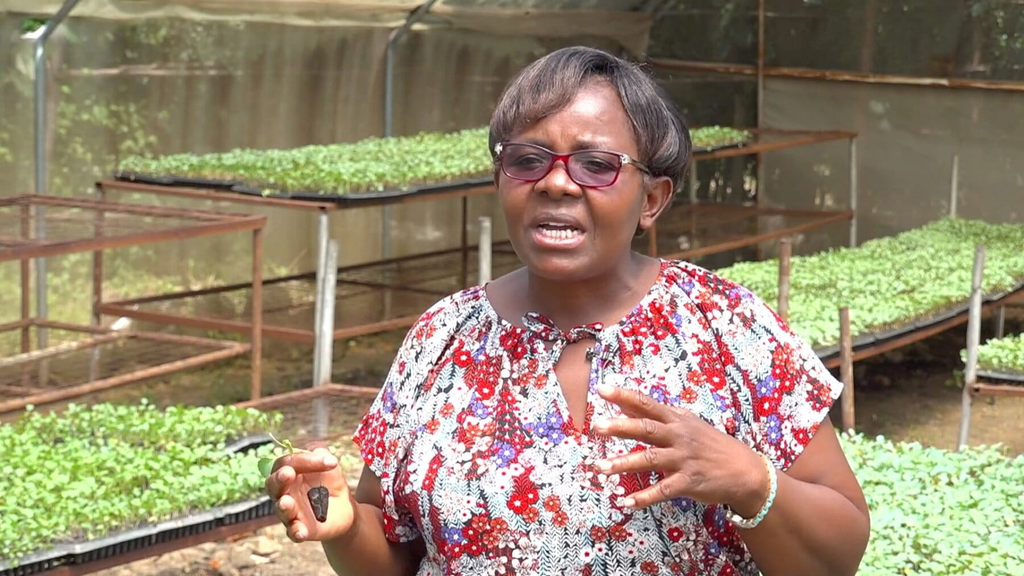
Josephine Ndonji, a tomato farmer in Kisumu County, says the cost of a 50-kilogram bag of urea jumped from about KSh6,000 ($46) in January to nearly KSh8,000 ($62) by March.
“I ordered 25 bags but couldn’t get them from one supplier,” she said. “I had to source the rest from Makueni, then pay extra transport to Kisumu and finally to my farm in Ahero.”
For many farmers, fertilizer is only part of the problem. Kitur says rising diesel prices have significantly increased the cost of ploughing, planting and transporting produce.
“The government has helped by subsidizing fertilizer, but fuel prices have wiped out those savings,” he said.
Diesel prices climbed sharply in 2026, rising from about KSh165.63 per litre in February to a record KSh242.92 in May before government intervention reduced the price to KSh222.86.
Trans-Nzoia is Kenya’s largest maize-producing county. According to the 2025 National Agriculture Production Report, it produced 423,156 tonnes of maize in 2024, about 10.5 percent of the country’s total harvest of just over four million tonnes.
Any disruption in fertilizer supply therefore has implications far beyond individual farmers, potentially affecting national food supplies and prices.
To support production, the Kenyan government has continued its fertilizer subsidy programme, allocating about $61 million in the 2025/26 financial year to enable eligible farmers to purchase fertilizer at half the commercial price through registered agro-dealers.
Farmers access the subsidy through the Kenya Integrated Agriculture Management Information System (KIAMIS), which issues SMS vouchers after farmers register their farms and crops. By late 2025, more than 7.2 million of Kenya’s estimated 7.5 million smallholder farmers had enrolled in the system.
Despite the programme, farmers in Trans-Nzoia endured long queues at government depots earlier this year as demand outstripped supplies.
Kenya’s fertilizer strategy relies heavily on imports secured through government-to-government agreements and international suppliers.
Since the fertilizer subsidy programme was introduced, Morocco has become Kenya’s principal supplier following disruptions caused by the Russia-Ukraine war. Russia has also remained a significant supplier through existing contracts, while Saudi Arabia, Qatar, Egypt and several European countries have filled supply gaps.
The diversification enabled Kenya to withstand earlier global disruptions. However, renewed instability in the Gulf threatens another major test for the country’s food system.
The government remains confident it can cushion farmers by diversifying fertilizer imports and maintaining strategic stocks. Yet the crisis has exposed a deeper vulnerability, because as long as Kenya depends on imported fertilizer, conflicts thousands of kilometres away can determine how much farmers pay to grow food, and ultimately what consumers pay at the market.
The article has been republished from Mongabay: https://news.mongabay.com/2026/07/running-on-empty-how-the-gulf-war-is-threatening-kenyas-food-security/