
The World Meteorological Organization (WMO) has warned that a strengthening El Niño event is likely to reshape global rainfall patterns over the next three months, with the Greater Horn of Africa facing an increased likelihood of below-normal rainfall even as parts of West Africa are expected to receive above-average precipitation.
According to the WMO’s latest Global Seasonal Climate Update, the July–September 2026 rainfall outlook reflects weather patterns that are consistent with a rapidly strengthening El Niño.
El Niño is a climate phenomenon known for altering rainfall and temperature patterns across many parts of the world, and for Africa, the forecast presents a sharp regional contrast.
The WMO said countries bordering the northern Gulf of Guinea are likely to experience above-normal rainfall during the period, while the Greater Horn of Africa, including Kenya, Ethiopia, Somalia, Uganda, Eritrea and Djibouti, is more likely to record below-normal rainfall.
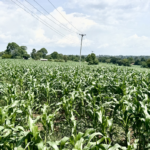
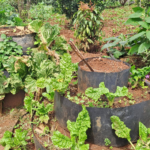
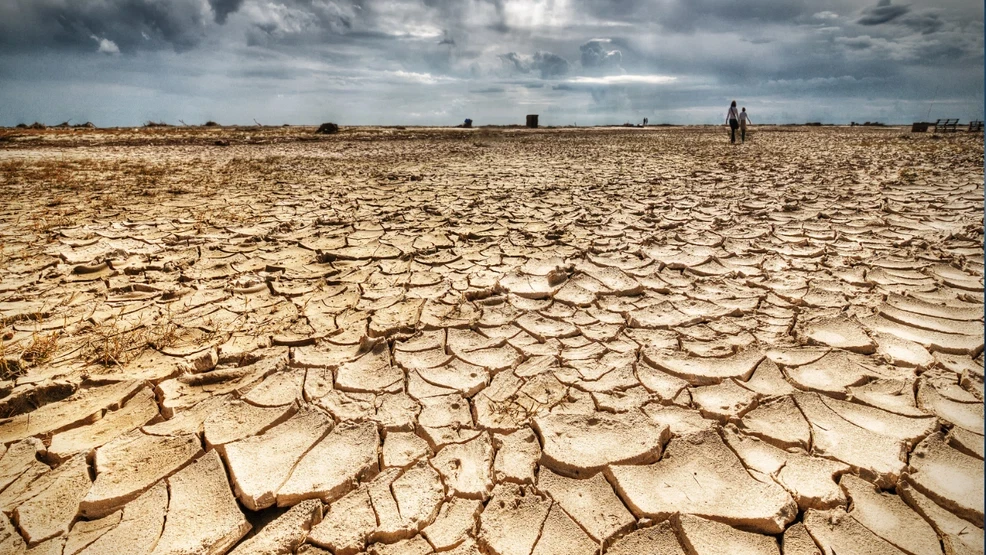
The outlook raises fresh concerns for a region whose economies and food systems depend heavily on seasonal rainfall. Reduced rainfall could affect crop production, pasture availability, water resources and hydropower generation, while increasing drought risks if the forecast materialises.
“The July–September 2026 rainfall outlook reflects a pattern that is consistent with a strengthening El Niño event,” the WMO said in its update.
The agency noted that the forecast is based on strong agreement among multiple global climate models, giving scientists high confidence that El Niño will continue strengthening through the second half of the year.
Ocean temperatures across the central and eastern equatorial Pacific are projected to rise by more than 2°C above average in key monitoring regions, signalling the development of a strong event.
Beyond Africa, the WMO forecasts above-normal rainfall across the central and eastern equatorial Pacific, while below-normal rainfall is expected across parts of the tropical Indian Ocean, the Indian subcontinent and much of Australia.
Drier-than-average conditions are also projected for parts of Central America, the Caribbean and northwestern South America, whereas wetter conditions are expected in parts of the southwestern United States.
Europe is forecast to experience a north-south rainfall contrast, although confidence in the European outlook remains comparatively lower.
The WMO warned that El Niño generally increases the likelihood of climate extremes such as heatwaves, droughts, heavy rainfall and flooding, although its impacts vary from region to region depending on local climate conditions and interactions with other ocean-atmosphere systems.
The UN weather agency said it is intensifying coordination with governments, humanitarian organisations and climate-sensitive sectors, including agriculture, health and water management, to strengthen preparedness and early warning systems.
It is also expanding climate information services, technical exchanges and regional briefings to help countries anticipate and minimise the impacts of the emerging El Niño event that is expected to peak starting November 2026 to February 2027.