

he European Union has banned exports of plastic waste to countries outside the Organisation for Economic Co-operation and Development (OECD), in a move aimed at preventing pollution in developing countries.
The restrictions, which took effect on November 21, prohibit EU member states from shipping plastic waste to non-OECD countries, including material designated for recycling.
The move could reshape global waste management flows, particularly in developing countries that have received plastic waste from Europe for processing. The exports have formed part of an international recycling market in which European waste is transported to countries with lower processing costs and facilities to recover reusable materials.
However, inadequate waste management infrastructure and weak enforcement in some receiving countries have raised concerns about plastic waste being dumped, burned or processed under environmentally harmful conditions.
The new restrictions are intended to reduce the risk of European plastic waste contributing to pollution and public health problems beyond the bloc’s borders.
Under the revised Waste Shipment Regulation adopted in 2024, exports to non-OECD countries are prohibited until at least May 2029. Countries could subsequently seek authorisation to receive certain non-hazardous plastic waste, provided they demonstrate that they have adequate treatment capacity and environmental safeguards.
For developing countries, the prohibition could reduce the flow of imported plastic waste while exposing the environmental and economic consequences of an international recycling system that has relied partly on transferring waste across borders.
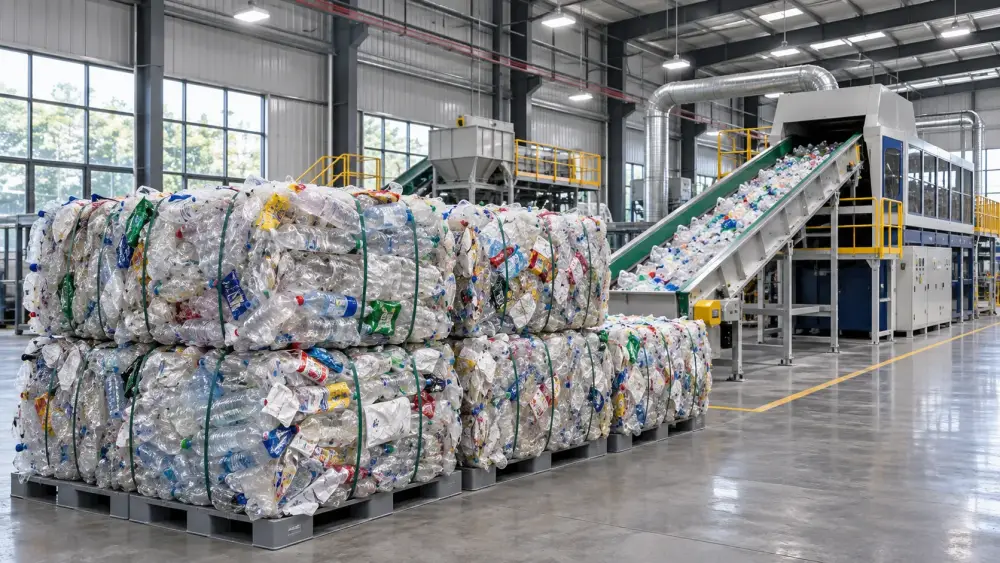
The change also places pressure on European countries to expand domestic recycling capacity rather than depend on overseas processors.
The Commission’s approach forms part of a broader push towards a circular economy, in which materials are recovered and reused instead of relying on virgin resources and continued production of disposable products.
European recycling businesses are expected to face increased investment requirements as they seek alternative processing arrangements and expand sorting, mechanical recycling and other recovery technologies.