
Japanese motor vehicle manufacturers Toyota, Mazda, and Subaru have teamed up to develop engines compatible with various carbon-neutral fuels, including hydrogen, biofuels, and e-fuels.
COP30 President-Designate André Aranha Corrêa do Lago said this year’s summit, to be hosted in the Amazonian city of Belem in November, must represent a decisive transition from the regime’s negotiation phase: “COP30 must refocus our efforts on action and implementation.
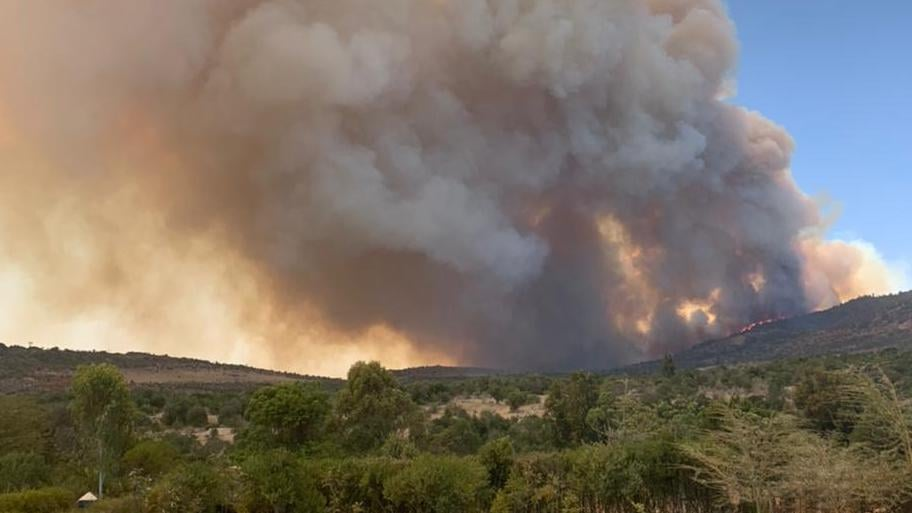
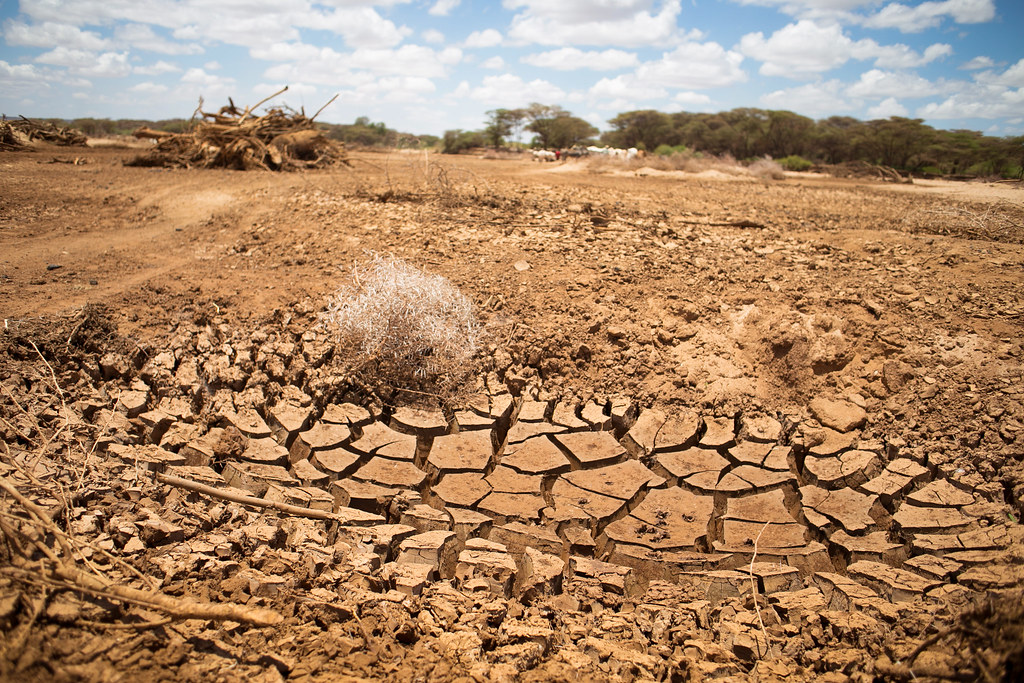
Half of the vegetation in Mt Kenya Forest will disappear over the next 15 years due to climate change and human activities. According to findings of a new research about the impacts of climate change in the Mt Kenya forest ecosystem, 49–55% of vegetation cover across the forest areas will be lost by 2040
Environmentalists across the country are optimistic that implementing the Sustainable Waste Management (Extended Producer Responsibility or EPR) Regulations, 2024, will promote environmental sustainability and reduce waste in the country.
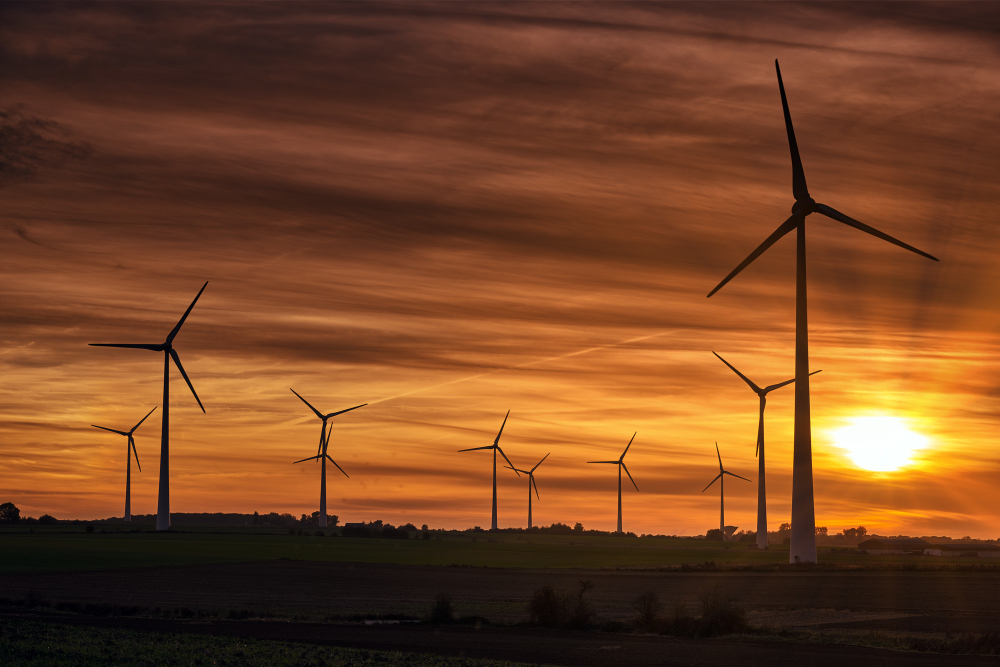
Kenya lack of commitment to fighting climate change is the suggestion to slap a 16% VAT on solar, wind, and geothermal inputs. Currently, these inputs are VAT exempt, but if this proposal goes through, they will become expensive, putting a damper on investments in green energy.
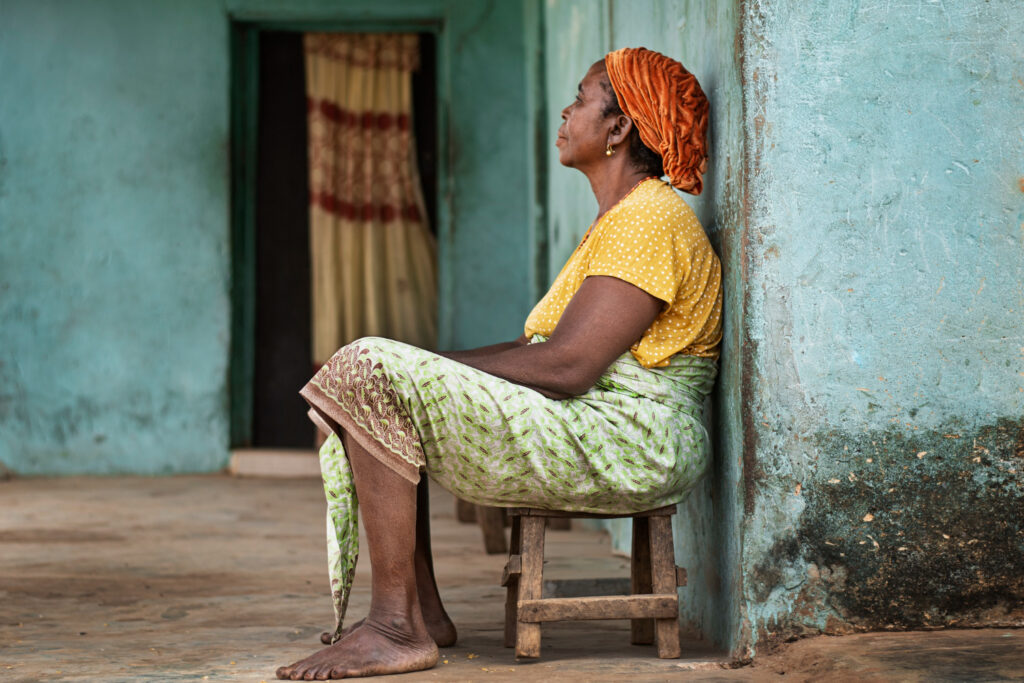
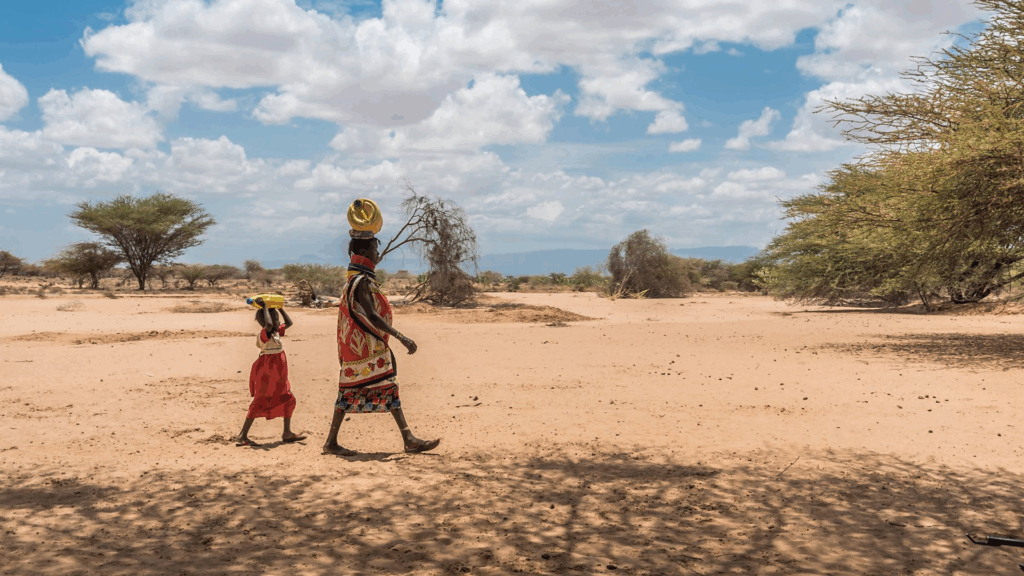
In Kenya, the people categorized as Indigenous are mainly pastoralists and hunter-gatherers. Hunter-gath¬erers include the Ogiek, Sengwer, Yiaku, Waata, and Awer (Boni), while pastoralists include the Turkana, Rendille, Borana, Maas¬ai, Samburu, Ilchamus, Somali, Gabra, Pokot, and Endorois.
Researchers have developed a groundbreaking method to significantly enhance the efficiency of solar panels, potentially increasing their effectiveness by up to 1,000 times compared to current models. This advancement promises to make solar energy more economically viable and reduce dependence on fossil fuels, thereby helping in the fight against climate change.
Kenya needs KES 7 trillion to reduce greenhouse gas emissions by 35% between 2031 and 2035. The country plans to raise 20% of these funds domestically, with the remaining 80% coming from international channels such as finance, investments, technology development and transfer, capacity building, and participation in carbon markets.