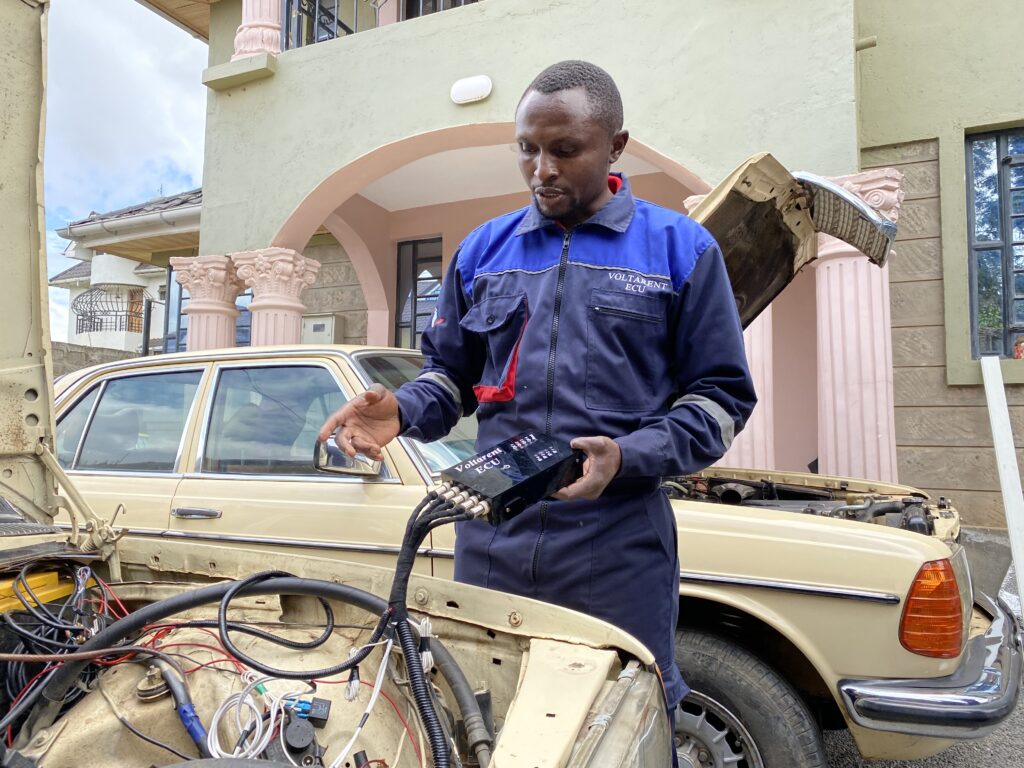
34-year-old Peter Mbiria is breathing new life into aging cars by replacing their outdated carburetor systems with cutting-edge fuel injection technology
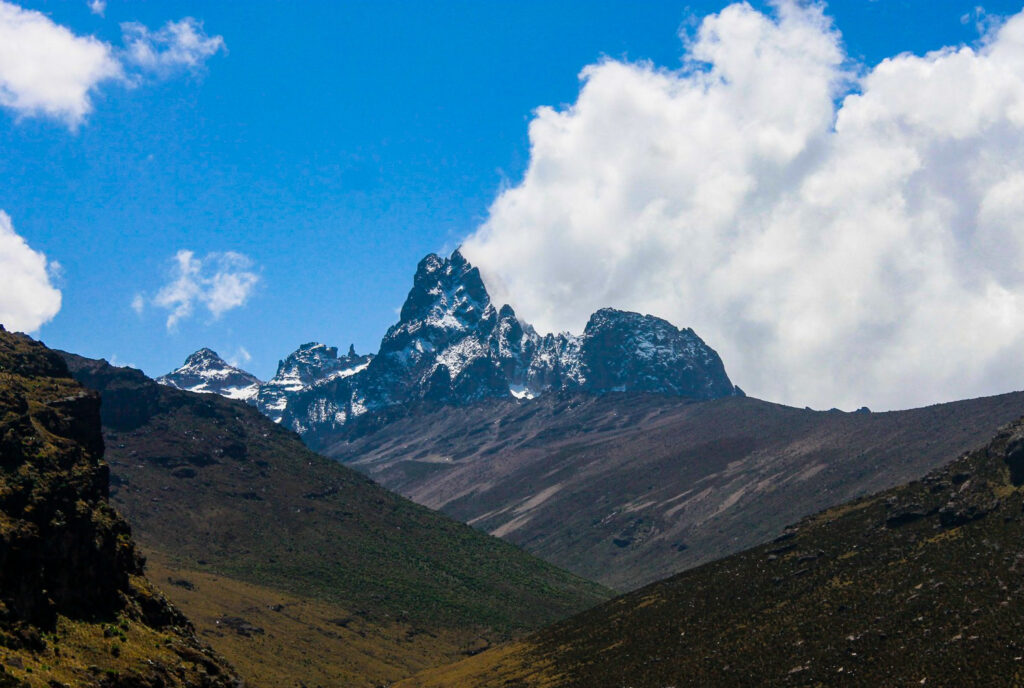
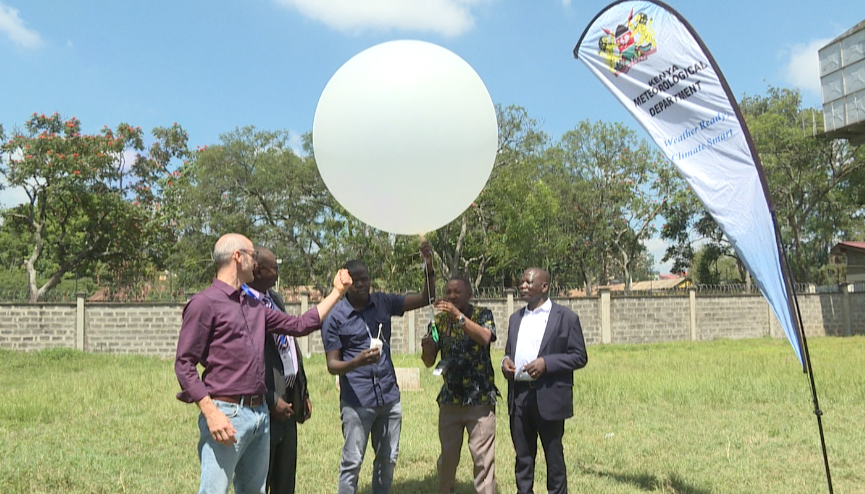
Africa's second-highest peak, Mount Kenya, is on the brink of losing its iconic glaciers within the next six years. A recent report from the Kenya Meteorological Department paints a stark picture of the future of the glaciers and the rivers they feed—vital water sources in Kenya.
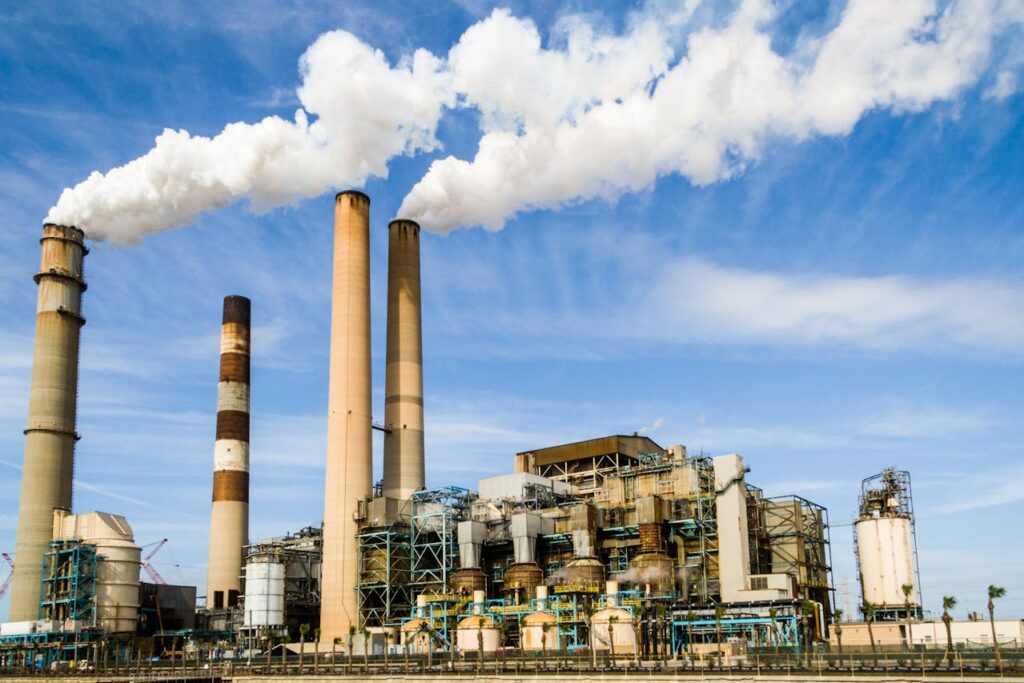
Lilongwe has become the first African capital city to back the call for a Fossil Fuel Non-Proliferation Treaty, and is one of two Malawian cities, alongside Mzuzu, that have now endorsed the proposal.
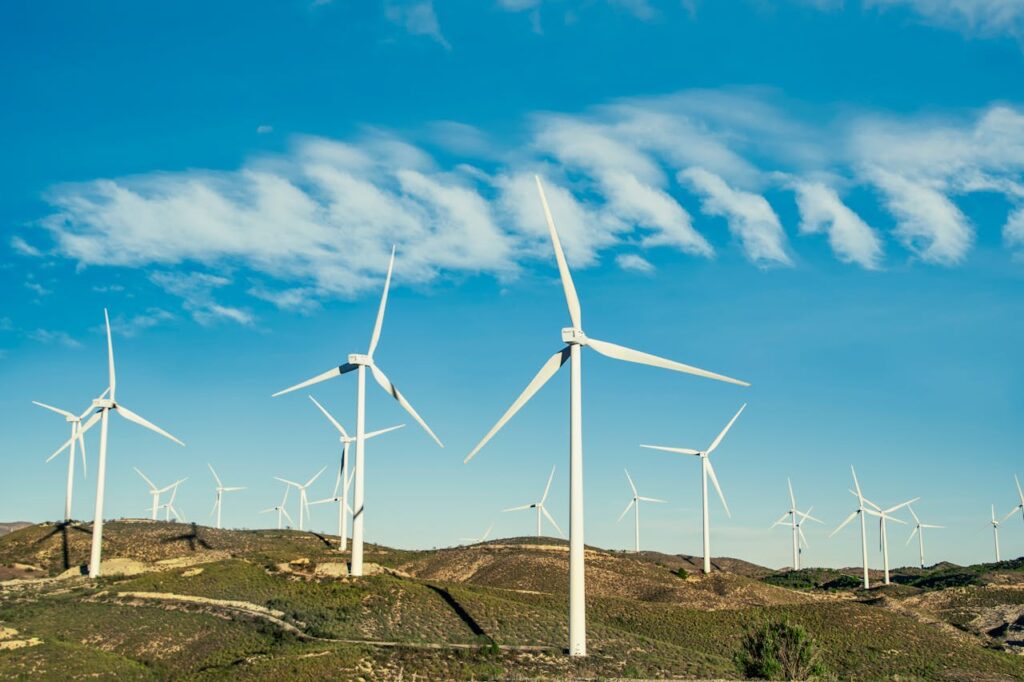
Kenya's scientists are delving into the mysteries of a powerful wind that shapes the climate across East Africa. Known as the Turkana Low-Level Jet (LLJ), this wind is more than just a meteorological curiosity—it's a driving force behind both flooding and droughts and plays a key role in powering Africa’s largest wind farm.
The world faces a significant challenge in meeting its 2030 renewable energy generation target. According to the latest statistics from the International Renewable Energy Agency (IRENA)
Access to safe and affordable cooking energy remains a significant challenge in developing countries, including Kenya. Traditional energy sources contribute to respiratory diseases and climate change through deforestation and greenhouse gas emissions.
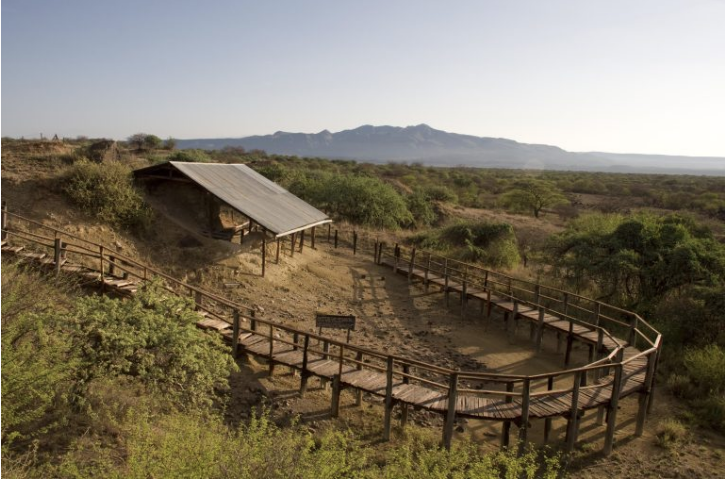
Kenya’s ambition to be recognized as the cradle of humanity could be realized within the next decade. The American Journal of Human Genetics recently published a piece emphasizing the need for equitable and inclusive DNA and ancient DNA (aDNA) research in Africa.
In a world grappling with the consequences of climate change and environmental degradation, the role of faith communities in conservation efforts is increasingly pivotal.
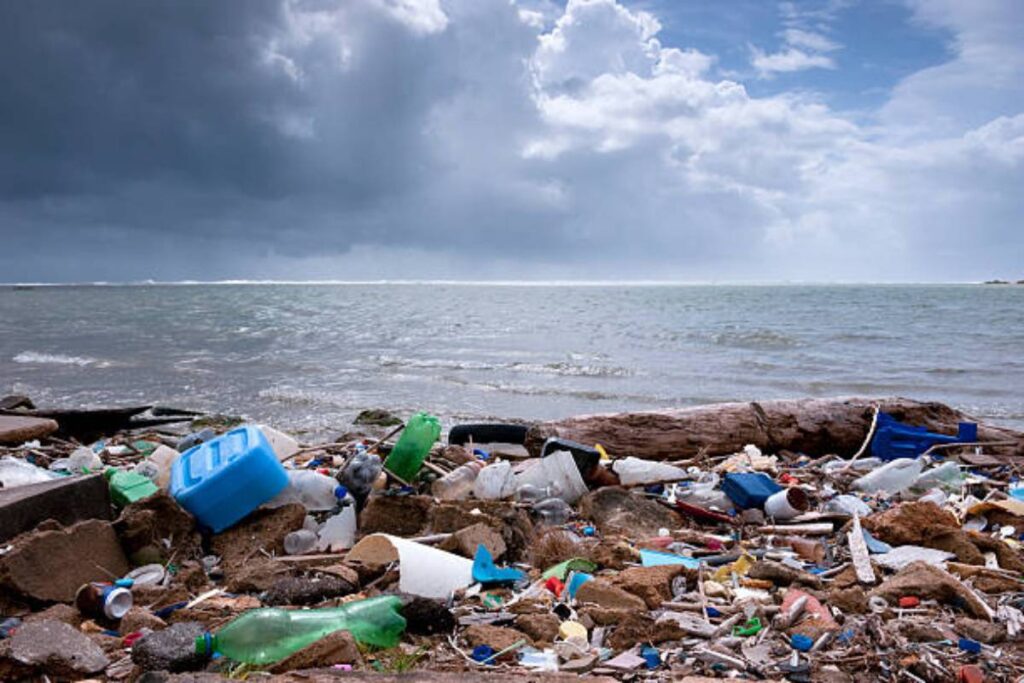
Environmental advocates have issued a stark warning about the escalating threat of plastic waste in the Indian Ocean and along beaches, urging for enhanced waste management strategies across coastal areas.