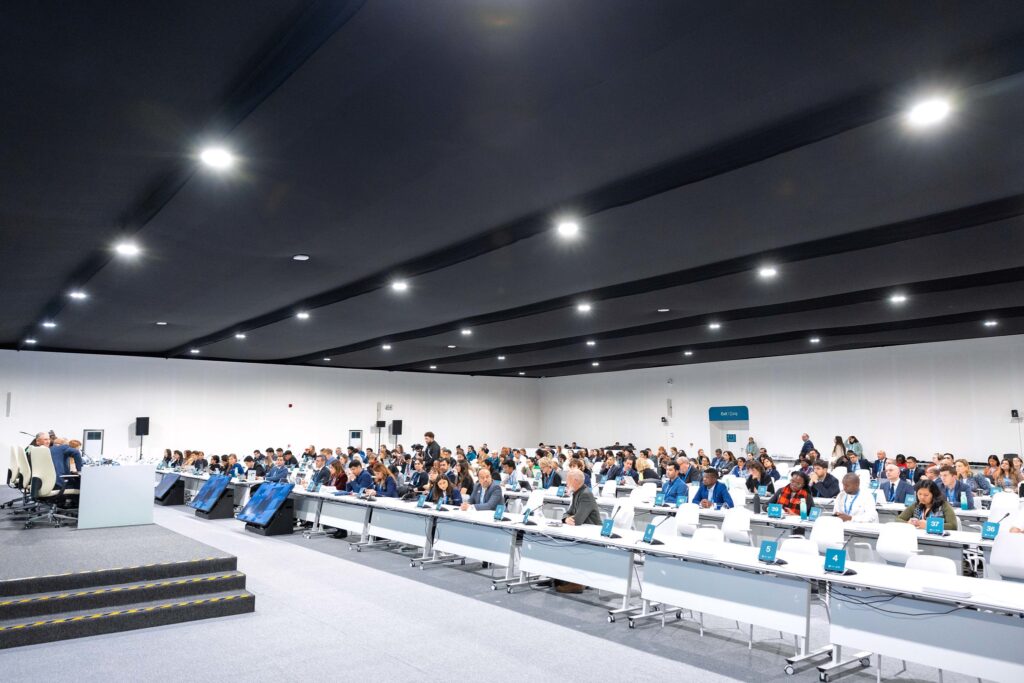
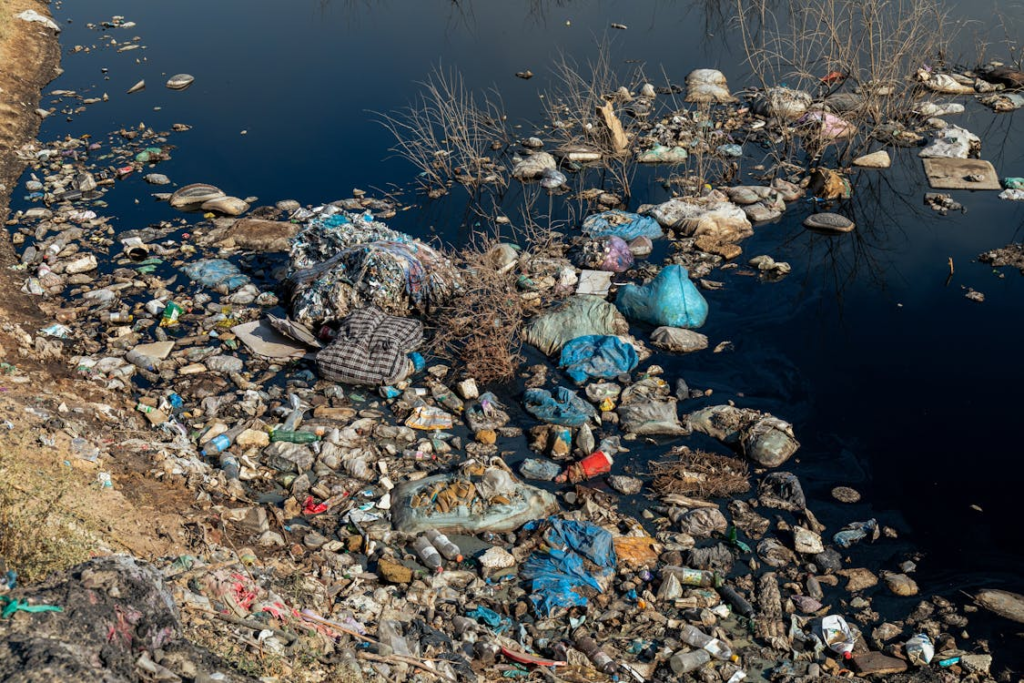
As the United Nations Environment Assembly (UNEA-7) gets underway in Nairobi, attention is firmly fixed on the 15 resolutions that could shape global environmental action for years to come.
After 10,000 years of silence, Ethiopia’s Hayli Gubbi volcano erupted, sending ash 45,000 feet into the jet stream and across continents. A rare, once-in-a-millennia geological awakening with global impact.
As Kenya mourns the loss of Raila Amolo Odinga, his legacy extends far beyond politics and democracy. He will be remembered as a visionary leader who stood fearlessly for environmental conservation — from protecting the Mau Forest to restoring Lake Victoria and championing climate justice across Africa. His bold decisions on forests, renewable energy, and sustainability continue to shape Kenya’s green future.
For Nairobi residents, water shortages have become an everyday struggle. The capital faces a daily deficit of more than 260,000 cubic meters, leaving many households with dry taps and rationed supply.
A new report by the International Renewable Energy Agency (IRENA) largely attributes this transition to the falling cost of renewable energies across the world. According to IRENA, 91% of new renewable energy projects globally are now cheaper than fossil fuel-based alternatives.
UN Climate Change Executive Secretary Simon Stiell has voiced frustration at the slow pace of progress at the close of the Bonn Climate Change Conference (SB62), warning that parties must “go further, faster, and fairer” if the world is to keep the Paris Agreement goals alive.
A group of young scientists from the University of Nigeria is leading a bold new experiment to fight climate change—by collecting methane from landfills and converting it into biodegradable plastic using naturally occurring bacteria. In a project blending science, sustainability, and local innovation, the team hopes to turn Nigeria’s waste and methane emissions into valuable solutions for both the environment and economy.
Kenya is embarking on a transformative journey that intertwines cultural heritage with economic development. At the forefront of this initiative is the Indigenous Knowledge Management System (IKMS), a groundbreaking project launched by the National Museums of Kenya (NMK) during the 8th NMK Science Expo held on June 18, 2025.
Ten kilometers west of Wajir town, in the dry and unforgiving plains of northern Kenya, a quiet revolution is stirring—born not of protest or politics, but of milk, resilience, and the will of Somali women refusing to be broken by climate or history.