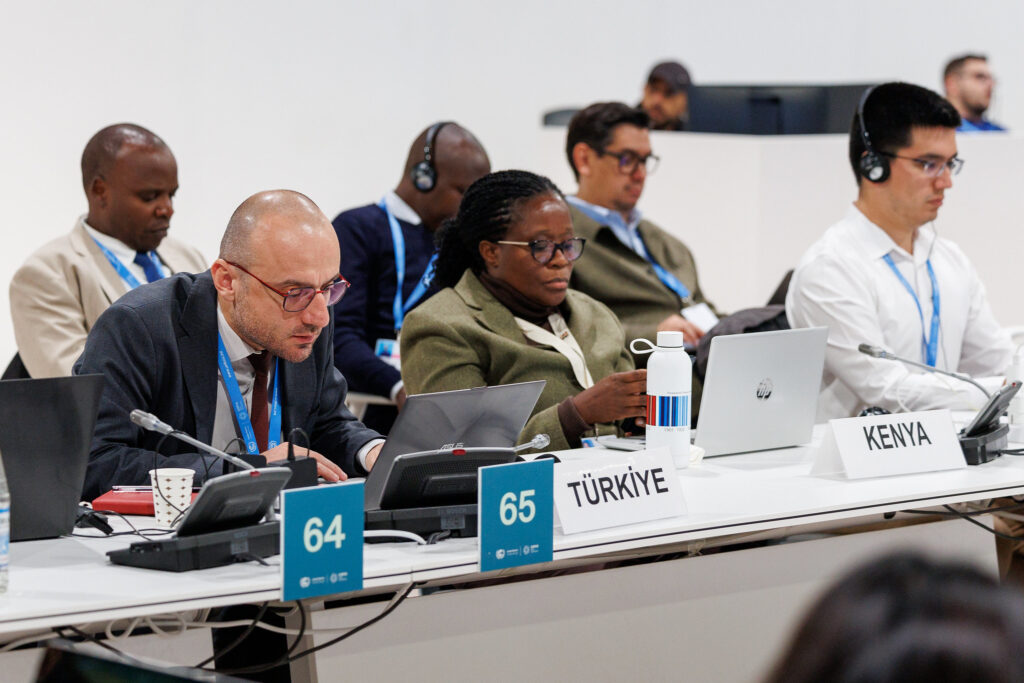
The recent endorsement of global carbon market standards under Article 6.4 during COP29 in Baku marks a significant development in climate finance and carbon emissions trading, especially beneficial for developing countries like Kenya. This standard allows countries to trade carbon emission reductions, aiming to accelerate the implementation of climate action plans through financial support and accessible carbon markets.
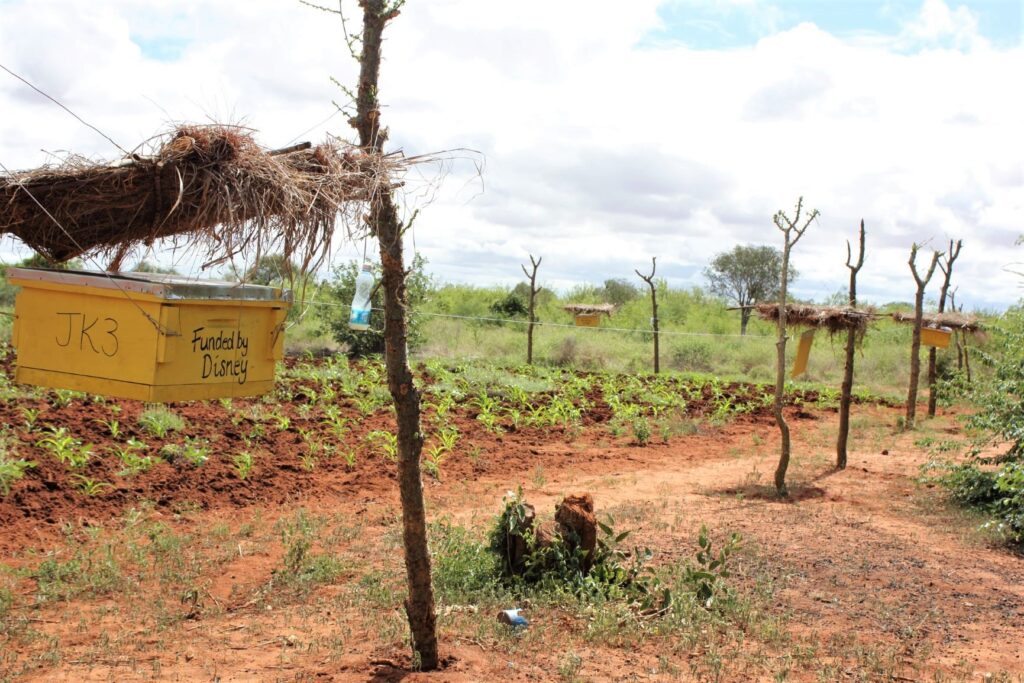
These innovative fences, which house live honey bees, have been shown to reduce elephants' destruction of small-scale farms by an astounding 86%, offering significant relief to local farmers and enhancing their livelihoods.
Africa Collect Textiles (ACT) a startup in Kenya's capital Nairobi, is emerging as a vital solution in the fight against textile environmental degradation. ACT is dedicated to collecting, repurposing, and recycling discarded textiles that would otherwise end up in landfills.
Researchers have warned that climate change threatens the future of the Mara-Serengeti ecosystem, which includes Kenya’s Maasai Mara and Tanzania’s Serengeti National Park.
Kenya Wildlife Service (KWS) has announced plans to spend Sh18 million over the next three years to install GPS tracking devices on vultures. This initiative aims to enable faster responses to poisoning incidents, which are a major cause of vulture deaths in Kenya.
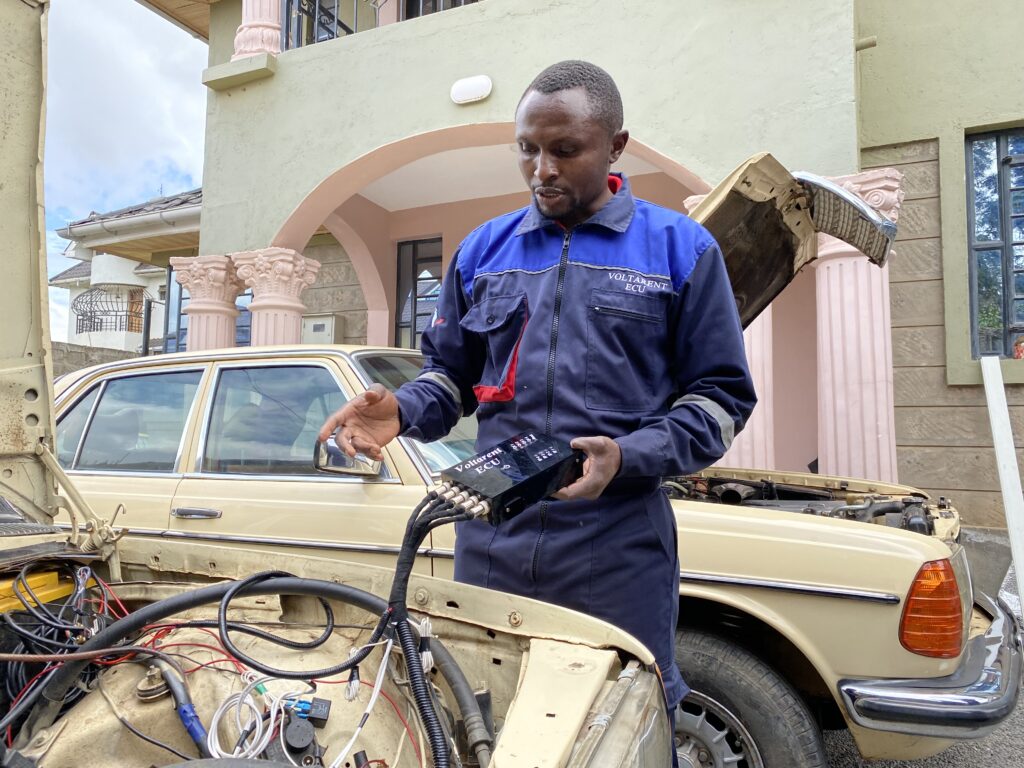
34-year-old Peter Mbiria is breathing new life into aging cars by replacing their outdated carburetor systems with cutting-edge fuel injection technology
Waterkiosk has managed to provide safe and clean water to 30 hospitals with a daily production capacity of 1,000,000 litres, benefiting six million people annually. This has enabled the company to create direct jobs for 55 people and 150 indirectly.
The Aberdare ecosystem-rich biodiversity has won big after the Environment and Land Court in Nyeri stopped the construction of a road cutting the Aberdare National Park into two.