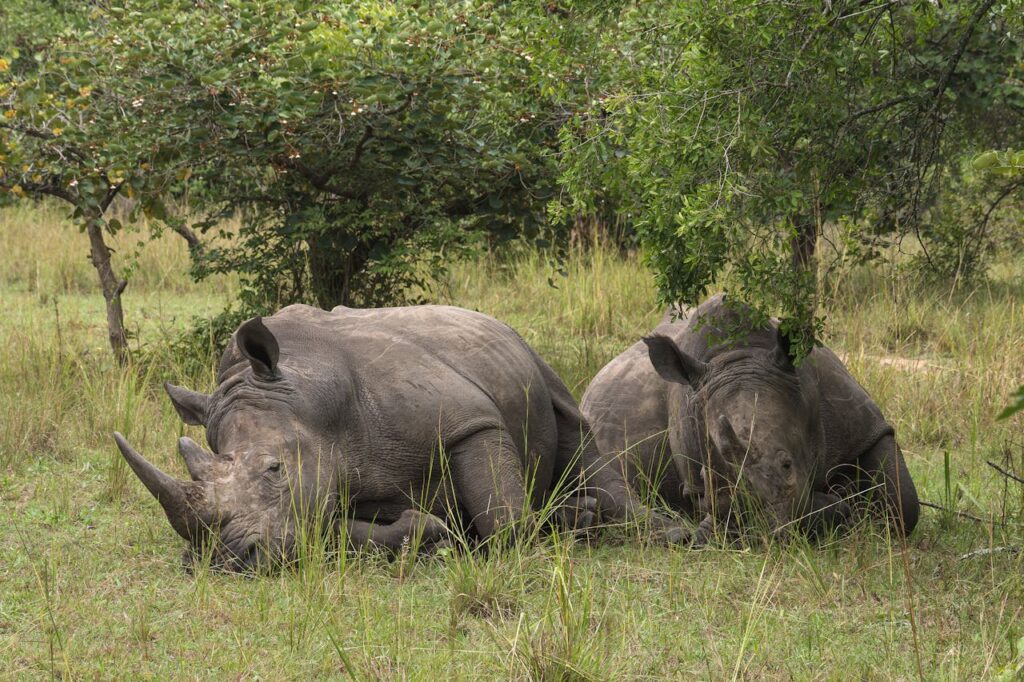
Africa's wildlife is on the cusp of a major comeback. Despite a 76% decline over 50 years, 2026 marks the launch of ambitious restoration plans. From wetland-centric conservation to booming rhino populations and vital green corridors, a new era of hope is emerging for the continent's rich biodiversity.
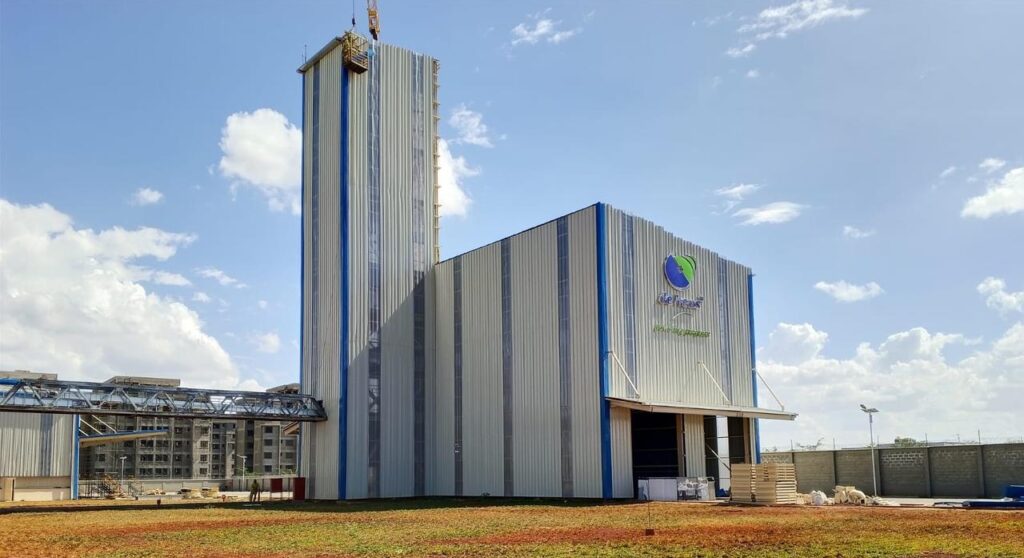
De Heus Kenya will officially open a KSh 3 billion state-of-the-art animal feed factory in Athi River on 18 February 2026, strengthening local feed supply, creating jobs, and supporting Kenya’s food security and livestock productivity agenda.
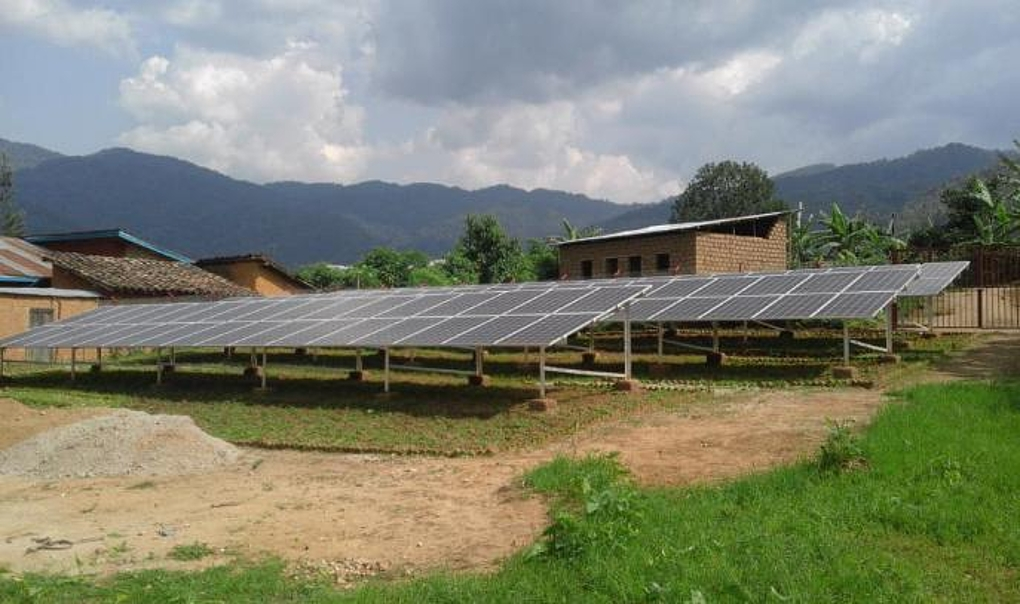
Kenya’s Rural Electrification and Renewable Energy Corporation (REREC) is scaling up regional training centers to fast-track solar adoption and slash biomass dependency in rural counties like Kitui.
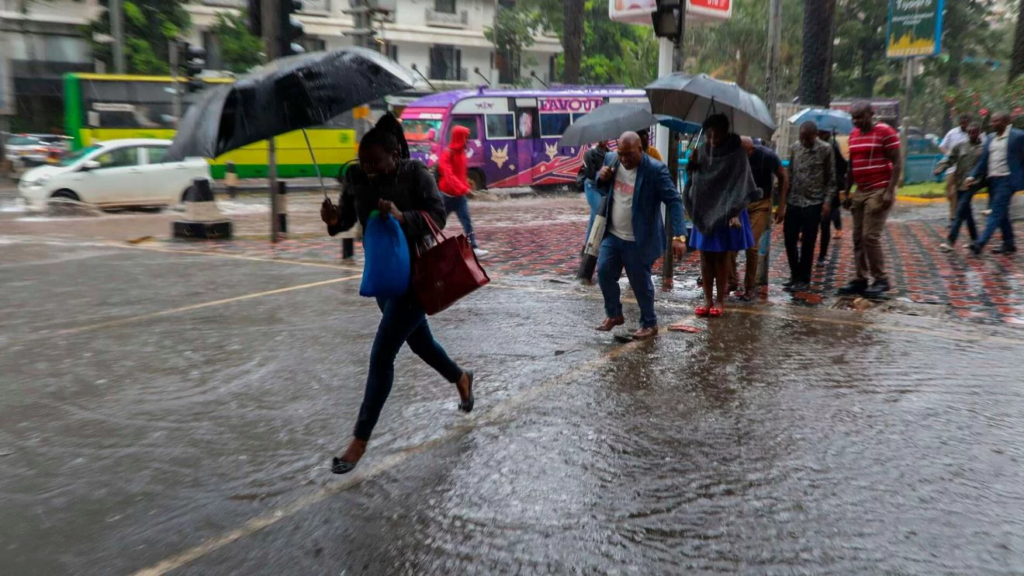
The Kenya Meteorological Department (KMD) issues the MAM 2026 long-rains forecast, warning of uneven rainfall distribution, rising temperatures, and a dry outlook for the Coast.
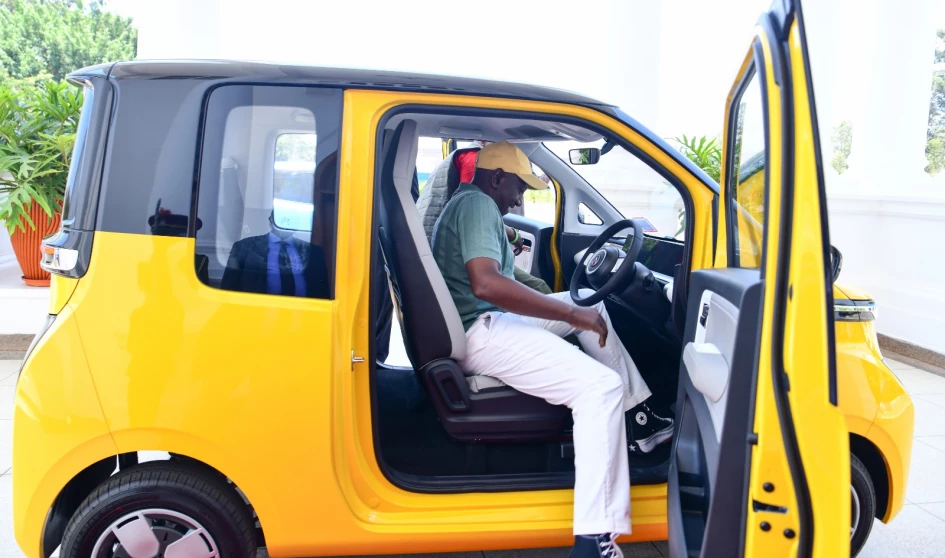
Ecopreneur Dr. Kalua Green saved KSh 36.7 million through e-mobility, an example of advocacy supported by Kenya's new National E-Mobility Policy and green number plates driving a nationwide mindset shift toward a sustainable, efficient future.
Kenya has introduced green number plates for all electric vehicles following the launch of its National E-Mobility Policy. The move aims to promote zero-emission transport, cut greenhouse gas emissions by 32% by 2030, and accelerate the shift away from fossil fuels in the transport sector.
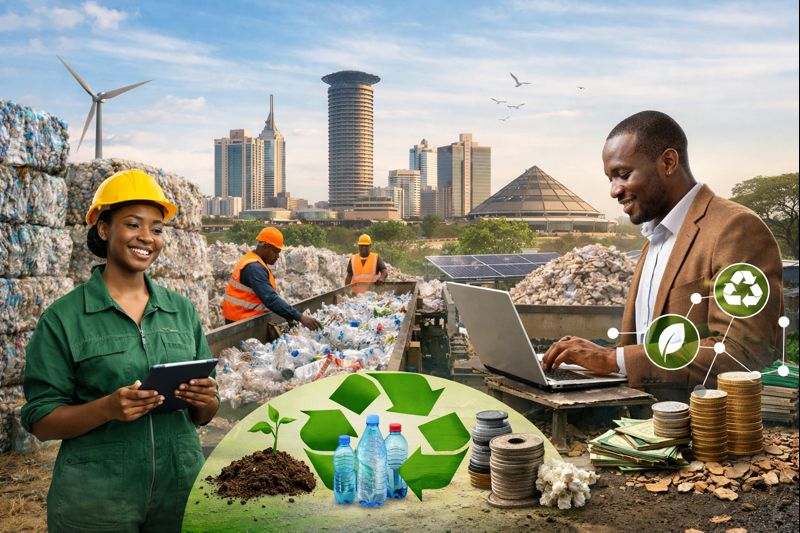
Kenyan SMEs are being invited to turn waste into opportunity through the KEPRO Circular Economy Accelerator Program 2026, offering strategic support, digital tools, and affordable financing to drive sustainable growth.
The Doomsday Clock has moved to 85 seconds to midnight, its closest point ever, as scientists warn that accelerating climate change, nuclear risks, and emerging technologies are pushing humanity toward unprecedented global danger.
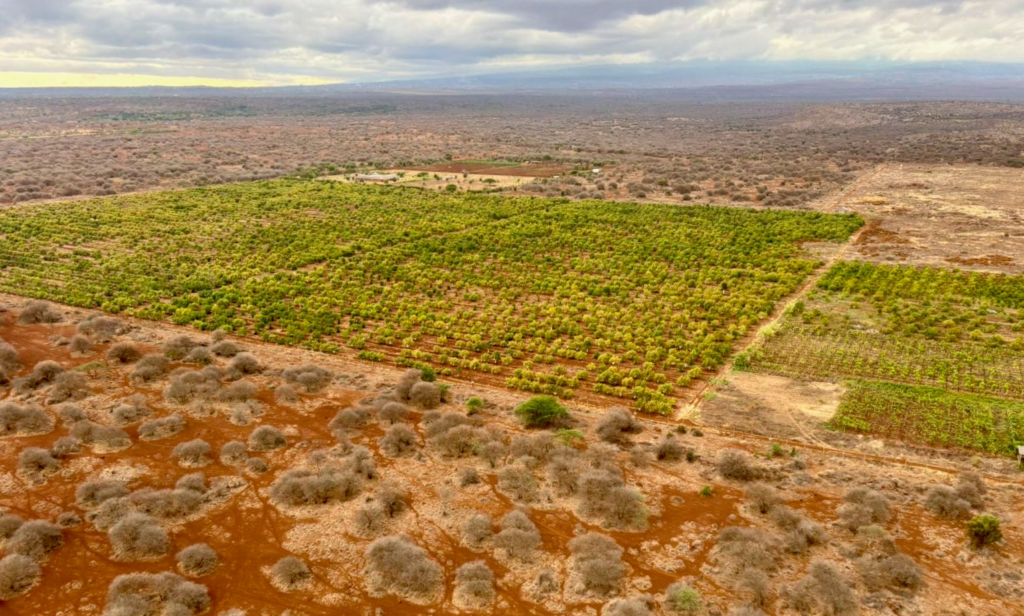
KiliAvo Fresh Ltd loses its fifth court case challenging avocado farming in Kenya's Amboseli ecosystem, upholding land-use plans crucial for wildlife and local communities.