
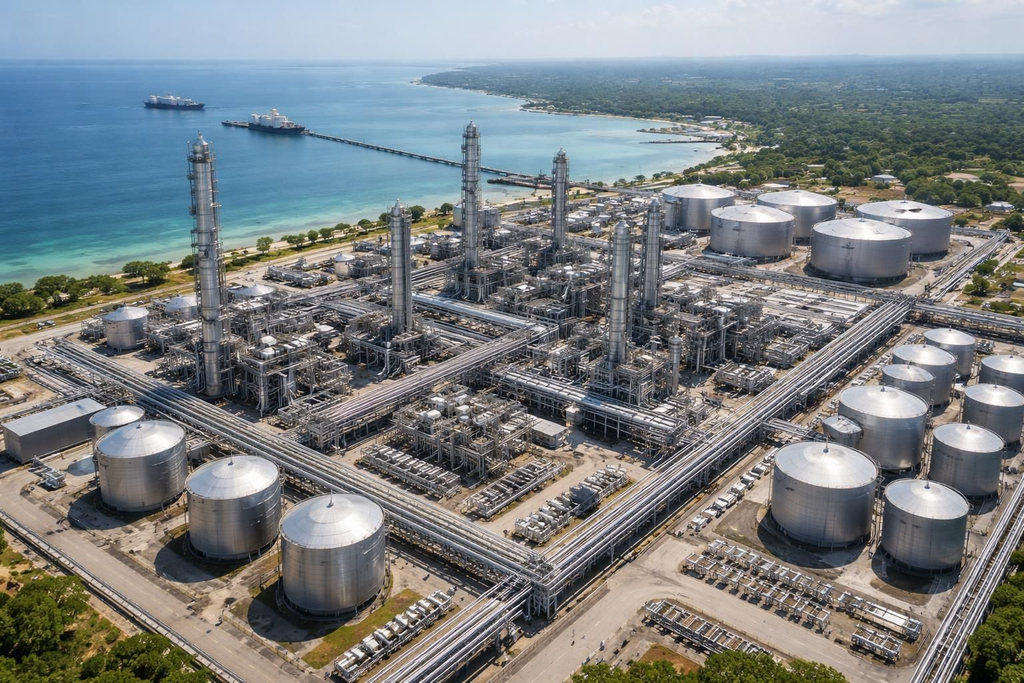

Champions of the global just transition movement have questioned the proposed construction of a major oil refinery in Tanga, Tanzania, warning that the project risks locking East Africa into long-term fossil fuel dependency at a time when the world is accelerating toward renewable energy.
The concerns emerged just days after more than 50 countries meeting at the First Conference on the Transition Away from Fossil Fuels (TAFF) in Santa Marta, Colombia, agreed to develop national roadmaps for phasing out oil, gas, and coal in line with the Paris Agreement’s 1.5°C target.
The conference, co-hosted by Colombia and the Netherlands in April 2026, saw participating nations commit to actionable strategies aimed at transitioning away from fossil fuels, while also exploring financing mechanisms such as debt-for-climate swaps to support developing countries.
However, shortly after the conference, Kenya and Tanzania announced plans to establish a large-scale oil refinery in Tanga, modelled after billionaire Aliko Dangote’s 650,000-barrel-per-day refinery in Nigeria.
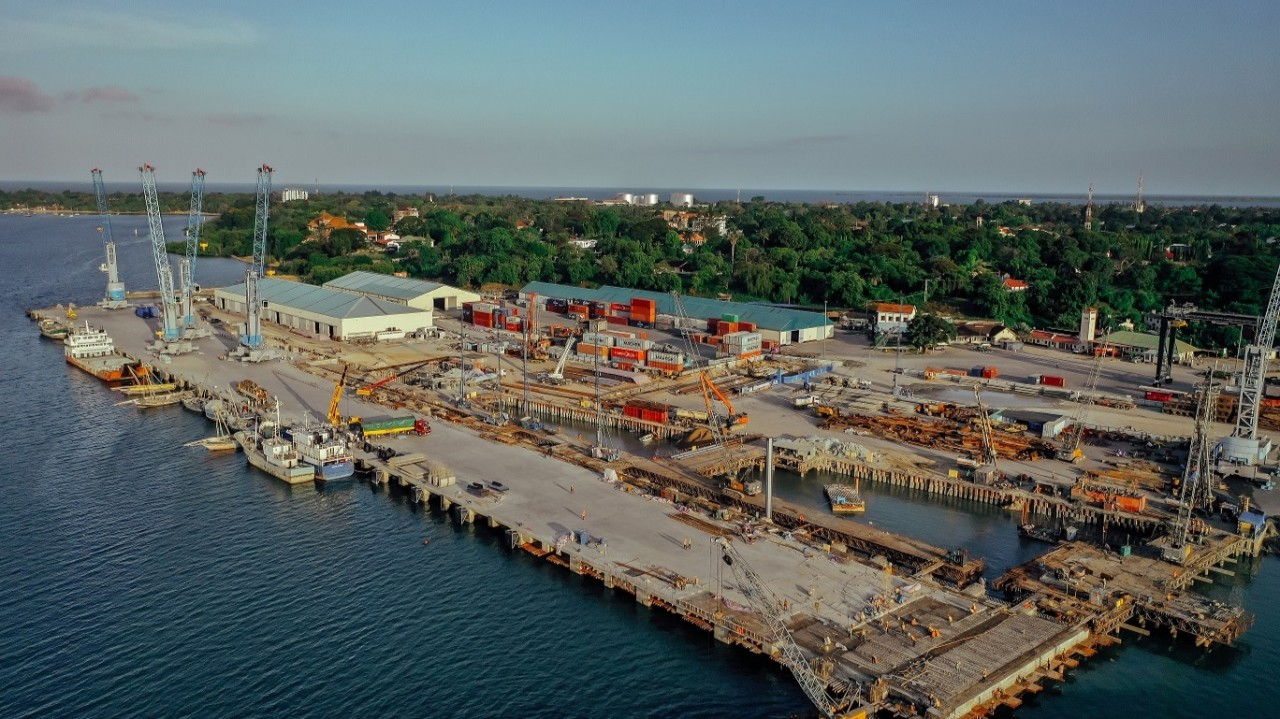
The proposed refinery is expected to process crude oil from Uganda, Kenya, South Sudan, and the Democratic Republic of Congo.
Climate campaigners say the project directly contradicts commitments made under the just transition agenda. Amos Wemanya, Senior Climate Advisor at Power Shift Africa, warned that the refinery could deepen the region’s environmental and economic vulnerabilities.
“Recent energy crises, worsened by geopolitical tensions, have shown just how fragile this dependency can be. A regional refinery supported by infrastructure like the East African Crude Oil Pipeline promises to localise value chains, reduce import bills, and enhance energy sovereignty. But this is a short-term fix masquerading as a long-term strategy,” said Wemanya.
He argued that while the refinery may deliver short-term profits for investors, East African countries risk investing heavily in infrastructure that could soon become obsolete as global energy systems shift rapidly toward cleaner technologies.
“What is guaranteed is that investors like Dangote will reap big in the near term. Africa must, however, ask itself a more fundamental question: is refining oil where the future lies?” he posed.
According to Wemanya, renewable energy technologies, including solar, wind, and battery storage, are increasingly becoming cheaper and more competitive than fossil fuels.
“Solar is now the cheapest source of new electricity in many parts of the world, including Africa, at approximately 40 percent lower than fossil fuel alternatives. Investing billions into pipelines and refineries is a gamble that Africa can ill afford,” he added.

Greenpeace Africa oil and gas campaigner Sherelee Odayar also criticised the project, saying local communities likely to be affected had not been meaningfully consulted.
“At a time when the world is accelerating towards renewable energy, it is deeply troubling that African governments are still locking the region into long-term fossil fuel dependency, despite the growing volatility of oil markets, which continue to drive up the cost of living and expose ordinary people to global instability,” said Odayar.
“Africa should be investing in clean, affordable, and people-centred renewable energy solutions, not expanding infrastructure that risks deepening climate impacts and economic uncertainty,” she added.
The proposed Tanga refinery is expected to form part of a wider regional oil infrastructure network linked to the East African Crude Oil Pipeline project, which has faced sustained criticism from environmental groups and climate activists globally.
Advocates of the just transition say East African governments should instead prioritise investments in renewable energy systems capable of delivering affordable electricity, energy security and sustainable economic growth without worsening the climate crisis.