

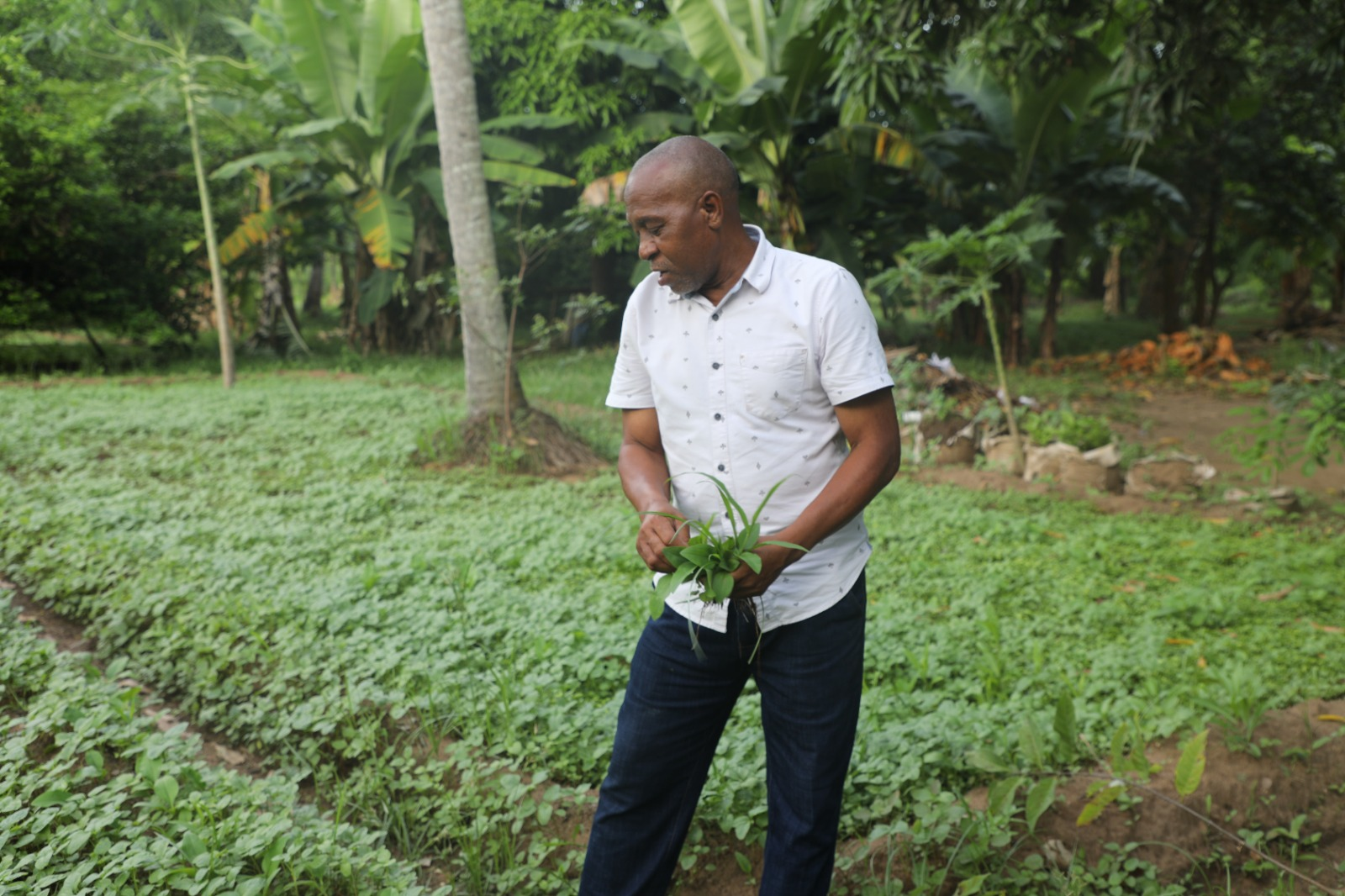
In the humid coastal village of Waa in Kwale County, Mohammed Suleiman walks slowly through rows of bananas, vegetables, and passion fruits that have sustained his family for years.
Known simply as “Mwalimu” by neighbours and fellow farmers, the retired teacher has spent decades balancing life between the classroom and the farm.
Farming, he says, has always supplemented his modest salary and later his pension. But in recent years, unpredictable weather, prolonged dry spells, and rising farming costs have made traditional agriculture increasingly uncertain along the Kenyan coast.
Now, at an age when many are slowing down, Suleiman is preparing to begin an entirely new journey of mushroom farming.
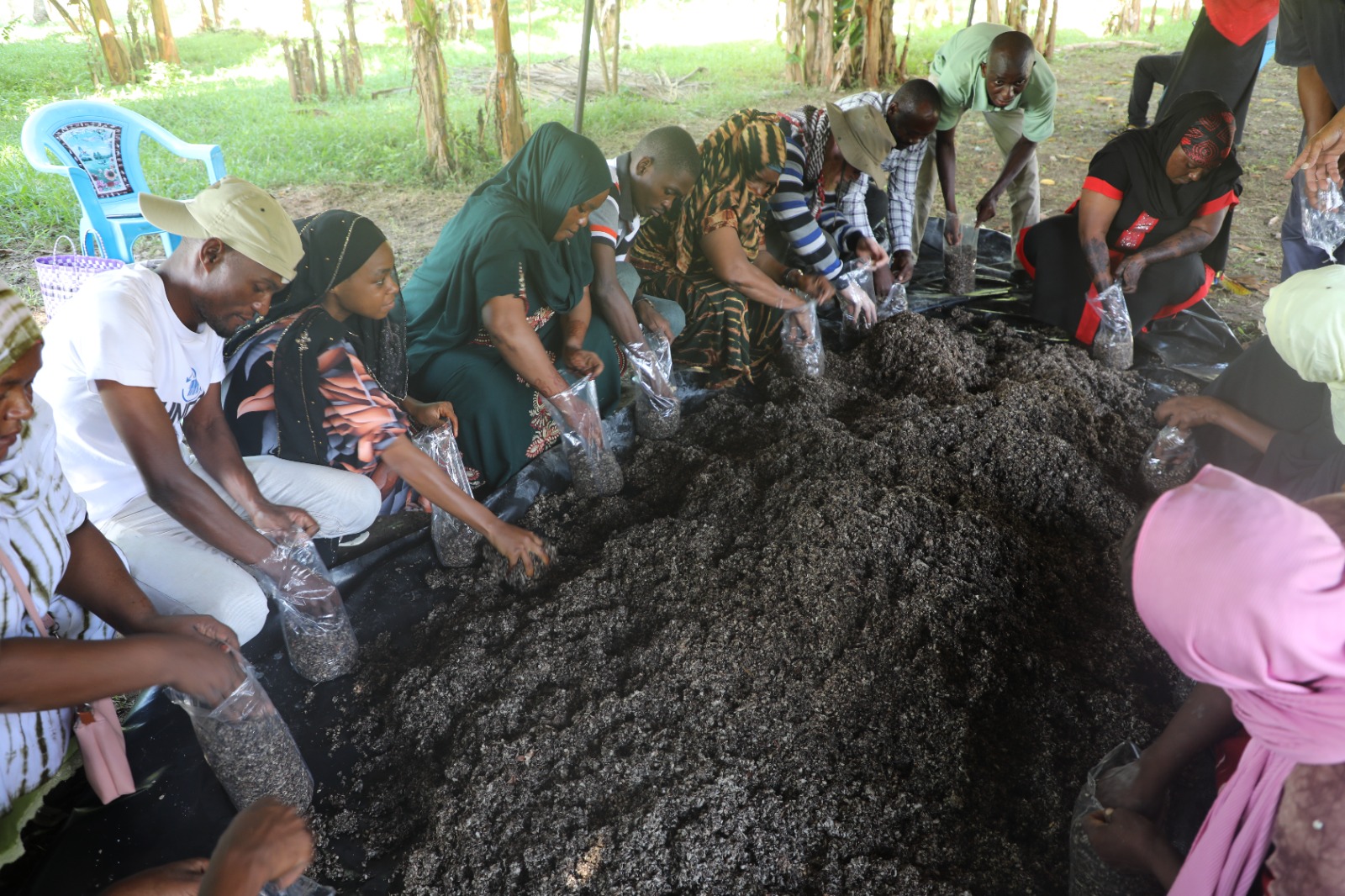
“I have heard about mushroom farming before, but this is the first time I am learning how it is done,” said Suleiman as he hosted more than 30 farmers drawn from different parts of Kwale County for a three-day training on oyster mushroom production.
The training, sponsored by Crawn Trust, aimed at equipping local farmers with alternative climate-smart farming methods capable of improving household incomes and nutrition.
For many farmers gathered at Suleiman’s homestead, mushroom farming initially sounded impractical for the hot coastal climate. Mushrooms are often associated with cooler highland regions such as Kiambu County and parts of central Kenya, where most of the country’s production takes place. But the training challenged those assumptions.
“Given the challenges brought about by climate change that we face in general farming, I have learnt that mushroom farming requires a controlled environment, and with that in mind, farmers can venture into it without many challenges,” Suleiman explains.
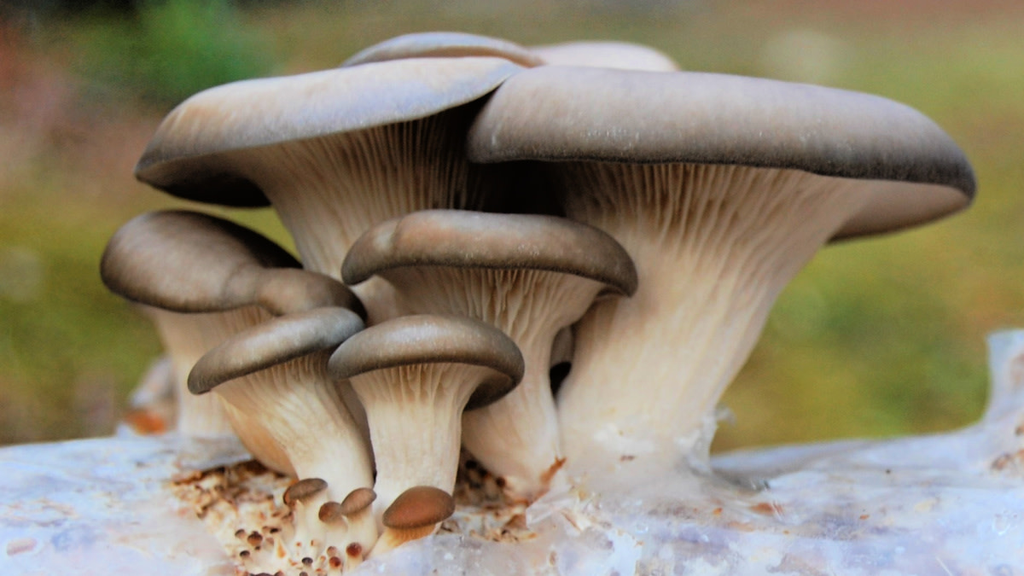
Unlike maize, vegetables, or fruits that depend heavily on rainfall and large tracts of land, oyster mushrooms can be grown in small dark rooms using agricultural waste such as straw, sawdust, or banana leaves. The crop matures quickly, requires little space, and can be cultivated throughout the year.
For farmers in Kwale, where shrinking land sizes and erratic weather continue to affect yields, the tiny fungi are increasingly being seen as a possible economic lifeline.
“This is the way to go,” Suleiman says with optimism. “Looking at the market, we have many hotels here at the Coast. This is where we will sell the mushrooms and other value-added mushroom products.”
Tourism remains one of the biggest economic activities along Kenya’s coastline, with hotels, resorts, and restaurants constantly demanding fresh produce. Yet despite mushrooms appearing on menus across beach hotels in Mombasa County, Diani and other tourist destinations, most are sourced from upcountry or imported from abroad.
Agricultural experts say this supply gap presents a major untapped opportunity for coastal farmers.
Kenya currently consumes an estimated 1,200 tonnes of mushrooms annually, but local farmers produce only about 500 tonnes, leaving a deficit of nearly 700 tonnes. The shortage has forced traders and hotels to rely on imports and supplies from other counties.
For farmers like Geoffrey Mwanyanya from Shimba Hills region, mushroom farming represents diversification in uncertain times: “I come from the highlands of Kwale County, and this is an advantage for me because the weather there is more favourable,” says Mwanyanya, who has spent years practising livestock and crop farming.
“Since oyster mushroom farming does not require chemicals, fertilisers, and many farm inputs like ordinary crop farming, this is a very good type of farming, which I intend to start soon.”
Climate experts have repeatedly warned that coastal Kenya remains highly vulnerable to the effects of climate change. Rising temperatures, changing rainfall patterns, soil salinity, and recurring droughts continue to affect food production and household incomes.
As a result, organisations working with smallholder farmers are increasingly promoting climate-smart agriculture, including greenhouse farming, drought-resistant crops, agroforestry, and now mushroom cultivation.
Beyond income generation, mushrooms are also attracting attention because of their nutritional value. For Mwanaharusi Kombo, another participant at the training, the lessons went far beyond farming techniques.
“I never knew the benefits of mushrooms before,” she admits. “Now I have learnt that mushrooms are rich in antioxidants, fibre, and vitamins that help boost immunity, improve heart health, and even help regulate blood sugar.”
Nutritionists describe mushrooms as a “superfood” because they are low in calories but rich in proteins, minerals, and medicinal compounds. With growing concerns over malnutrition and lifestyle diseases, health experts believe wider consumption of mushrooms could improve diets in many Kenyan households.
Back at Suleiman’s farm, the training sessions continued under the shade of coconut trees as farmers carefully examined mushroom-growing bags and discussed market opportunities.
For the retired teacher, the excitement among farmers reminded him of his years in the classroom, only this time, the lesson is not about textbooks or exams, but it is about survival, adaptation, and the search for a more resilient future in a warming world.