
By Bonface Orucho
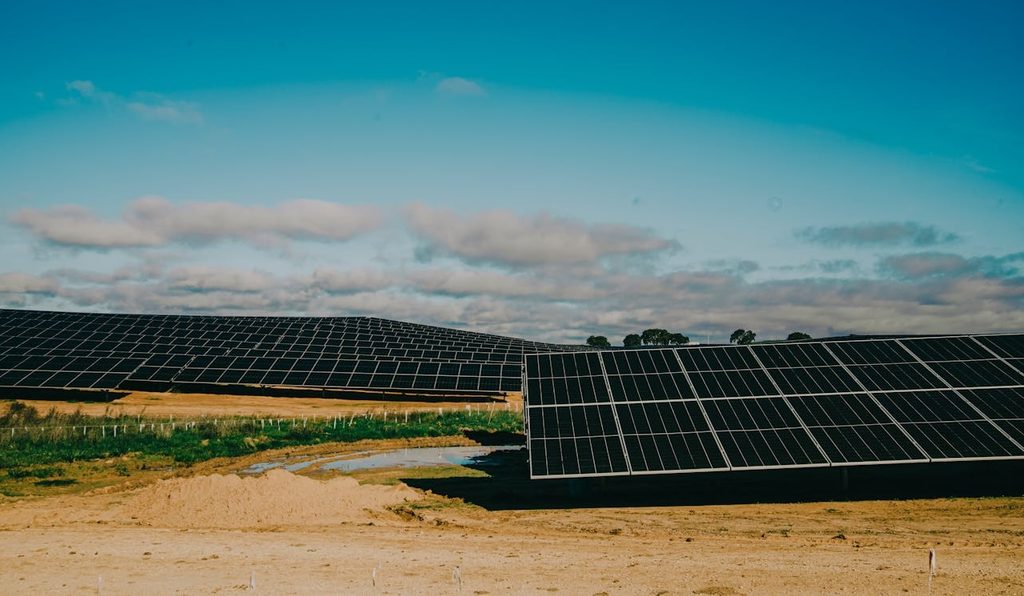
Nigeria is accelerating efforts to position itself as a renewable energy manufacturing hub in Africa after securing US$425 million in investments for eight new renewable energy manufacturing facilities.
According to the country’s Rural Electrification Agency (REA), the investments are helping to rapidly expand local solar production capacity as Nigeria shifts from being largely an importer of solar products to a producer and exporter.
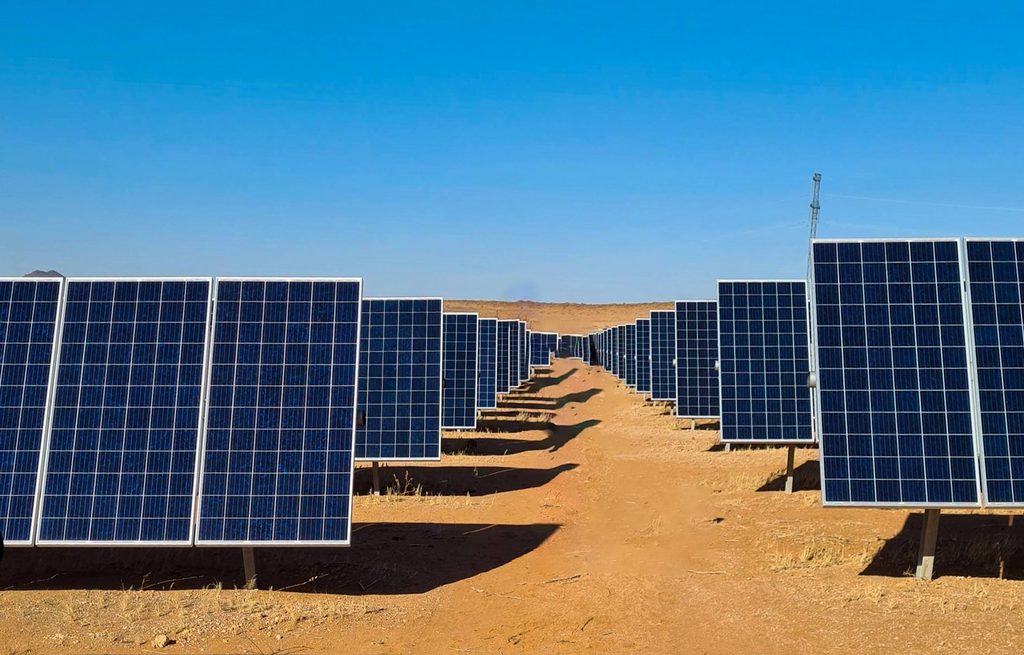
The agency said Nigeria’s installed solar panel production capacity has grown from about 120 megawatts (MW) two years ago to nearly 300 MW today, representing a 150 per cent increase. An additional 3.7 gigawatts (GW) of manufacturing capacity is currently under development, signalling one of the continent’s most ambitious renewable energy industrial expansions.
The expansion is beginning to translate into output. Panels assembled in Lagos are already being exported to Ghana, marking the first time Nigeria is participating in cross-border solar equipment trade at a meaningful level.
“For the first time, Nigeria is producing solar panels locally, and they are already being exported,” said REA managing director Abba Aliyu, describing the development as part of a deliberate effort to build investor confidence and attract private capital.
According to Adebayo Adelabu, Nigeria’s minister of energy, an October 2025 shipment to Ghana was the beginning of Nigeria’s participation in the regional renewable energy market. He added that the country is positioning itself not only to meet domestic energy targets but also to serve neighbouring demand.”
Countries including Benin, Burkina Faso, Niger, Chad, Mauritania, and Mozambique are already engaging with Nigeria’s electrification framework, according to the REA, signalling potential demand alignment beyond bilateral trade.
According to the REA, the programme is expected to crowd in an additional US$1.1 billion in private capital, with backing from institutions including Citibank Nigeria, Lotus Bank, and the International Finance Corporation.
This financing model is also beginning to evolve across the continent. Rather than relying solely on foreign direct investment, some markets are experimenting with credit guarantees and blended finance structures to pull in domestic institutional capital, particularly pension funds and insurers, into energy infrastructure and, increasingly, manufacturing-linked projects.
Courtesy of Bird Story Agency: https://agency.birdstoryagency.com/stories/nigeria-pushes-into-solar-manufacturing-as-africa-looks-beyond-imports?locale=en