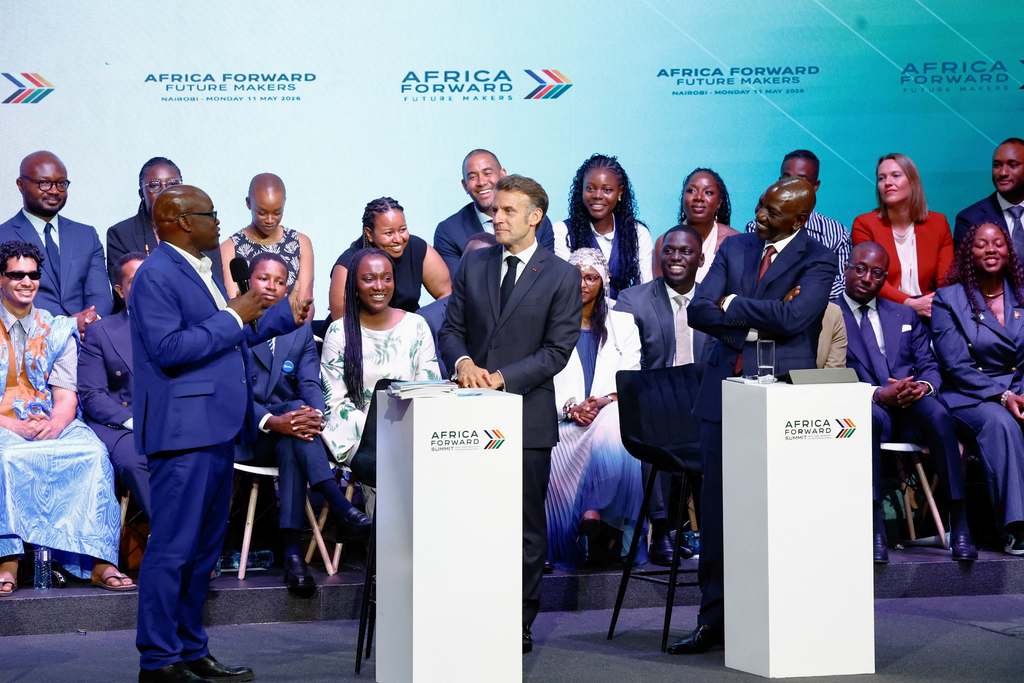

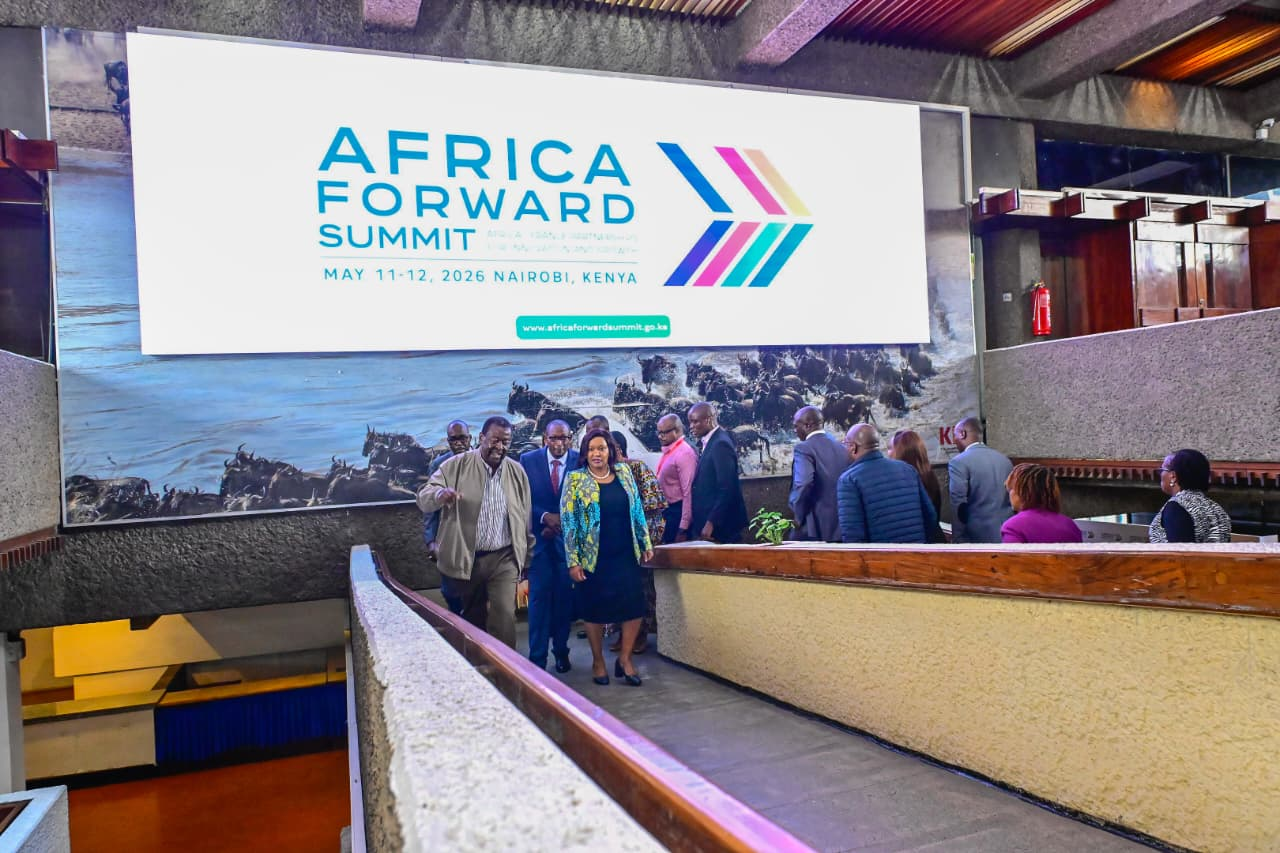
The Africa Forward Summit 2026 commenced today, May 11, in Nairobi, co-hosted by French President Emmanuel Macron and Kenyan President William Ruto. This pivotal gathering is set to address critical environmental and climate challenges facing the continent, reflecting a broader attempt to redefine France’s role in Africa and Kenya’s growing ambition as a continental diplomatic hub. We expect the outcomes to resonate globally, particularly influencing G7 discussions.
The summit’s agenda is focused on innovation, entrepreneurship, climate finance, artificial intelligence, and security cooperation. This forward-looking framework highlights a strategic convergence between Macron’s and Ruto’s priorities, emphasizing partnerships in innovation and private sector development.
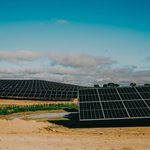
Energy Transition and Green Industrialisation stands as a flagship pillar of the summit. The focus extends beyond renewable energy generation to its role in powering African industries. This approach seeks to integrate green energy into the continent’s manufacturing and economic growth.
Discussions will highlight the importance of bankable projects, attracting private finance to green energy initiatives. A significant push will be made for Africa to process its own green minerals, crucial for batteries and electric vehicles, rather than exporting raw materials. Furthermore, skills transfer programs, like those at the University of Nairobi, are vital for developing a green economy workforce.
Reform of the International Financial Architecture is a crucial enabler for effective climate action. This theme addresses the disparity in borrowing costs for African nations, which often pay significantly more for green projects than their European counterparts. The summit aims to rectify these financial imbalances.
Building on the 2023 Africa Climate Summit, the Nairobi Declaration 2.0 will advocate for a global financial system that supports green growth. This reform seeks to prevent debt-heavy, climate-vulnerable nations from being penalised. It is a call for equitable financial mechanisms that facilitate climate resilience and sustainable development.
With Kenya and France sharing maritime interests, the Blue Economy theme focuses on the environmental security of the oceans. This area is critical for safeguarding marine biodiversity and managing vital blue carbon ecosystems. Coastal regions and their unique environments are central to these discussions.
The summit will also address the decarbonisation of maritime transport and shipping, a major global polluter. Transitioning to cleaner fuels in this sector is essential for reducing emissions and protecting marine life. This collaborative effort underscores a shared commitment to ocean health.
Sustainable and Value-Added Agriculture addresses the intersection of climate change and food security. The discussions will promote agroecological intensification, focusing on farming methods that restore soil health and biodiversity. This shift is crucial for long-term environmental sustainability.
Emphasis will be placed on food sovereignty, aiming to reduce the carbon footprint of food systems. This involves building local value chains and improving nutrition through resilient, indigenous crops. These initiatives are vital for creating robust and climate-resilient agricultural practices across Africa.
The summit holds particular strategic importance due to the French G7 Connection. With France holding the G7 presidency this June, commitments made in Nairobi are likely to be fast-tracked to the G7 table in Évian. This presents a unique opportunity for African environmental priorities to gain direct access to the world’s most powerful economies, bypassing standard diplomatic delays.
This direct channel to the G7 underscores the potential for significant global impact from the Africa Forward Summit. It highlights a rare alignment of interests, where African climate and environmental concerns can directly influence international policy and investment at the highest levels. However, underlying tensions in climate policy, AI, and global security persist, highlighting the complexities of this evolving partnership.