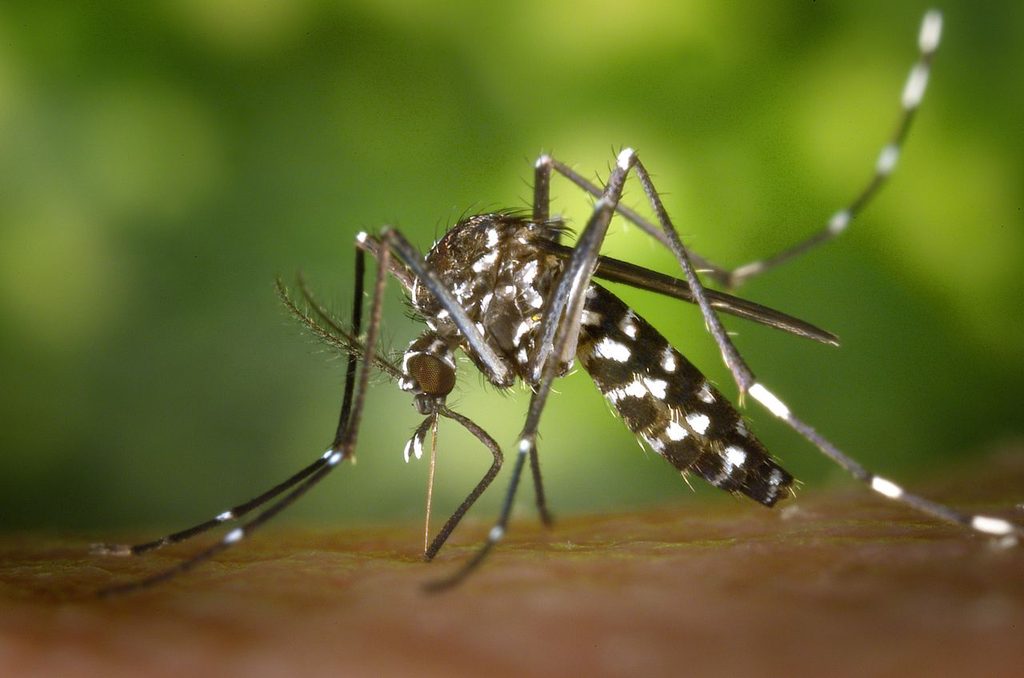

African countries may be able to predict malaria outbreaks up to three months before they happen simply by paying closer attention to changes in rainfall, temperature, and vegetation.
According to a new study published in the journal Scientific Reports, the weather does not trigger malaria immediately. Instead, climate change creates conditions that allow mosquito populations to grow for weeks and months, creating a valuable window for health authorities to prepare before infections begin to rise.
For countries where malaria continues to kill hundreds of thousands of people every year, that warning could mean the difference between preventing an outbreak and responding after hospitals are already overwhelmed.
Researchers analysed nearly a decade of malaria records from 20 countries across sub-Saharan Africa, including Kenya, Uganda, Tanzania, Ethiopia, Ghana, Nigeria, Rwanda, Malawi and Zambia.
They compared monthly malaria cases with changes in rainfall, temperature, vegetation, population density and elevation to understand how the environment shapes disease transmission. They concluded that climate leaves fingerprints on malaria long before people start falling sick.
“Understanding these delayed climate effects can significantly improve malaria early warning systems,” the researchers said.
Many people assume that more rain automatically means more malaria because mosquitoes breed in standing water. The new research shows the relationship is far more complicated.
Moderate rainfall creates pools of water where mosquitoes lay their eggs, allowing their numbers to increase over the following weeks. But when rainfall becomes extremely heavy, floods can wash away mosquito eggs and larvae before they develop into adults.
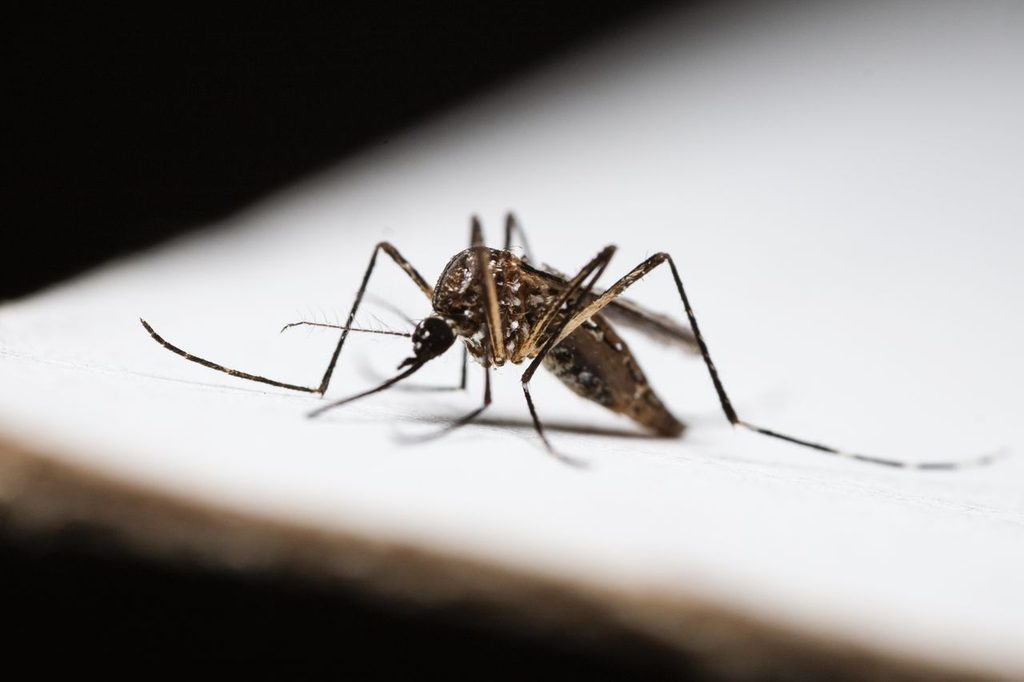
In other words, not every rainy season leads to more malaria as the timing also matters. The study found that the strongest effects of rainfall often appeared one to three months later, after mosquitoes had enough time to breed and spread the malaria parasite.
The same pattern emerged with temperature because mosquitoes thrive under warm conditions because higher temperatures speed up their growth and help the malaria parasite develop faster inside the insect. But only up to a point.
Once temperatures become too high, mosquito survival begins to decline. Extreme heat shortens their lifespan, leaving fewer insects alive long enough to transmit the disease.
This means climate change will not increase malaria risk everywhere in the same way. Some regions may become more suitable for malaria transmission, while others could become too hot for mosquitoes to survive as effectively.
The researchers also examined satellite images showing how green different landscapes become throughout the year. Greener vegetation usually indicates moist conditions that favour mosquito survival. As vegetation increased, malaria cases generally increased too.
However, once landscapes became very green, the increase in malaria risk levelled off, suggesting there is a limit to how much vegetation contributes to mosquito populations.
Perhaps the most important finding is that governments do not have to wait until clinics begin reporting rising malaria cases, because weather changes influence malaria several weeks or even months later, giving health authorities time to act in advance.
That could include distributing mosquito nets before the rainy season, spraying homes in high-risk areas, stocking health facilities with malaria medicines and rapid diagnostic tests, and alerting communities about the increased risk. This means that instead of reacting to outbreaks, countries could prevent many of them from becoming severe.
The findings come as Africa experiences increasingly unpredictable weather linked to climate change. Some areas are receiving heavier rainfall than before, while others face prolonged droughts and rising temperatures. Scientists have long warned that these changes could alter where and when malaria spreads.
The new study suggests that climate information could become one of the most powerful tools for protecting communities from future outbreaks. Rather than relying only on health data, malaria control programmes could combine disease surveillance with weather forecasts and satellite observations to identify areas likely to experience increased transmission weeks before cases begin rising.
The researchers say climate should not be viewed as the only factor influencing malaria. Access to healthcare, mosquito control programmes, housing conditions, poverty, and population movements all play important roles.
However, because climate consistently affects mosquito breeding and parasite development, incorporating weather information into malaria planning could substantially improve preparedness.