
By Elodie Toto
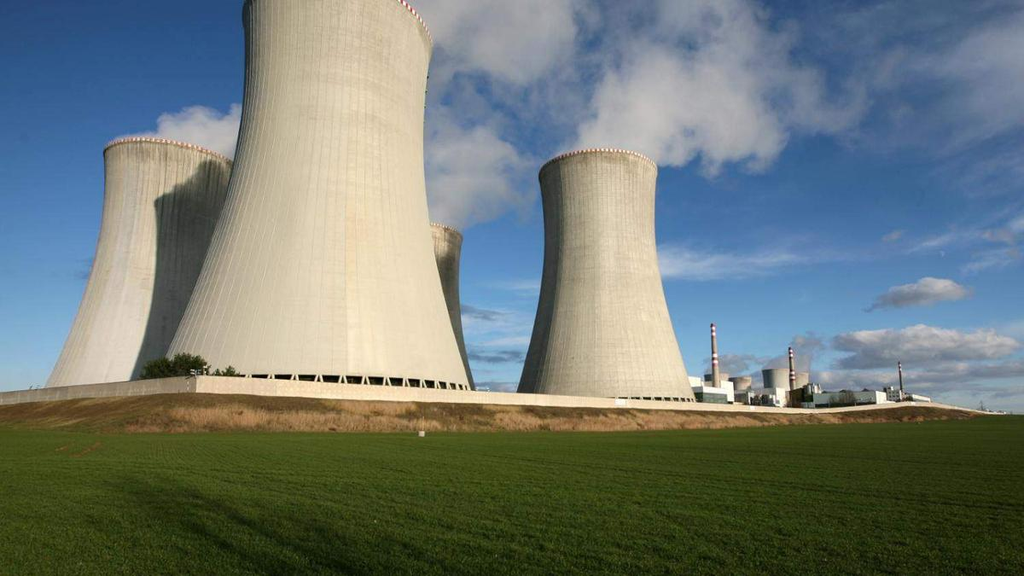
A case has been filed at the East African Court of Justice (EACJ) over the Kenyan government’s plan to build a 2,000-5,000-megawatt nuclear power plant in Bondo, near the eastern shore of Victoria Lake, Africa’s largest freshwater lake. The project has been the source of numerous protests from residents since it was announced.
“I filed a reference at the East African Court of Justice on September 23 on two grounds,” human rights lawyer Dickens Ochieng told Mongabay.
“First, I want the court to determine if we should even have that nuclear power plant in Lake Victoria given the ecological and environmental risk that may be associated with it,” Ochieng said. “Then, I am asking for the project to have a trans-boundary environmental impact assessment, as Victoria Lake is not only a Kenyan matter.”
The case puts fresh focus on a 2023 Strategic Environmental Assessment (SEA) prepared for Kenya’s nuclear power programme. The report’s site analysis ranked four candidate locations in the Lake Victoria region, but its later sensitivity analysis concluded that candidate sites in the region could be exposed to hazards associated with Quaternary volcanoes, including ash fall and volcanic tsunamis. The assessment team recommended avoiding the Lake Victoria and Lake Turkana regions because those hazards could impair the safety of a nuclear power plant.
The SEA also identifies potential transboundary concerns that connect to that request. These include radioactive exposure across borders, contamination of shared waters, effects on migratory species, regional insecurity and possible disputes involving water transfers in the Nile Basin.
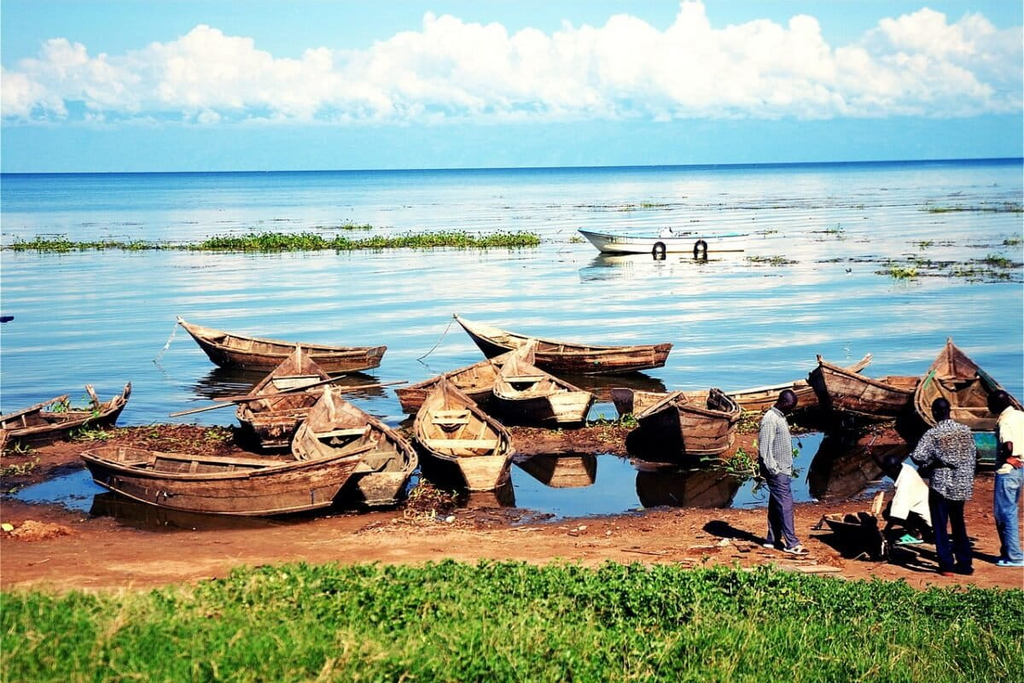
The lake is shared by Kenya, Uganda and Tanzania with roughly 40 million people across the three countries depending on the lake for their livelihoods, food security and drinking water. Millions more depend on the river that drains from Lake Victoria and meanders north to empty into Egypt’s Nile Delta and the Mediterranean Sea. If the lake and river were to become polluted, the 11 countries of the Nile Basin could be affected.
“I want to know if these countries have been consulted and, if so, if they agree with the project. If not, maybe they should be consulted first,” Ochieng said.
He said it’s also an issue of national security. “We have seen nuclear power plants being targeted in Ukraine, in Iran. Here, we have issues with Al-Shabaab who keep attacking facilities in Kenya. I want the court to determine if putting up a nuclear power plant in Victoria Lake is a regional security issue.”
According to the official petition, the law firm also accuses the Kenyan government of failing to properly consult local communities in Kenya and failing to propose mitigation measures for the Lake Victoria basin. The Kenyan government has 45 days to respond.
The SEA report recommended further work on safeguards and public engagement. Among its priorities were a radioactive-waste policy and spent-fuel management strategy; environmental and social impact assessment guidelines for nuclear projects; guidance for consulting project-affected people; a public-participation and consultation manual; improved agency capacity and coordination; and emergency-response arrangements for nuclear incidents.
Those recommendations may inform the court’s consideration of whether the project’s environmental safeguards and consultation process are adequate.
Mongabay contacted the Lake Victoria Basin Commission, which coordinates sustainable development for the basin, and Kenya’s attorney general, but did not receive a response by the time of publication.
Republished from Mongabay: https://news.mongabay.com/short-article/2026/09/kenyan-nuclear-project-faces-international-legal-challenge-over-security-risks/