
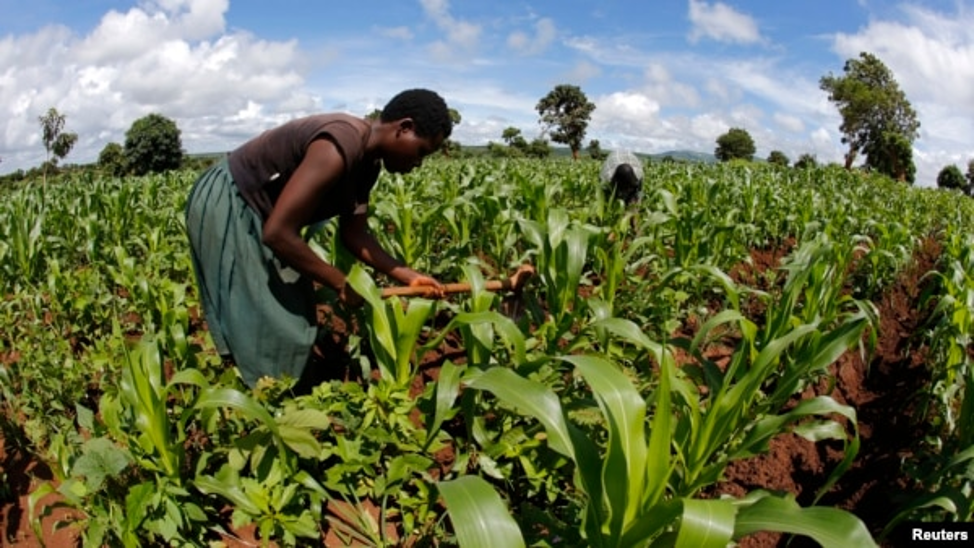

The United Nations Special Rapporteur on the right to food, Sofía Monsalve Suárez, has called for powerful philanthropic foundations to be held accountable for agricultural interventions that fail to deliver promised improvements in food security. This puts the Bill & Melinda Gates Foundation under renewed pressure over its two-decade investment in Africa’s Green Revolution.
She warned that dependence on imported agricultural inputs, industrial monocultures and fossil fuel-based farming systems was leaving food systems increasingly vulnerable to climate extremes and geopolitical disruptions.
“Powerful actors such as private foundations must be held accountable when their interventions fail to achieve their stated aims, including reducing hunger, improving nutrition and making food systems more resilient and sustainable,” she said.
Her intervention comes amid growing scrutiny of AGRA’s record as it marks 20 years since its establishment in 2006, with research showing that the number of undernourished people in its 13 focus countries increased by 58 per cent, from approximately 95 million to 150 million between 2006 and 2024.
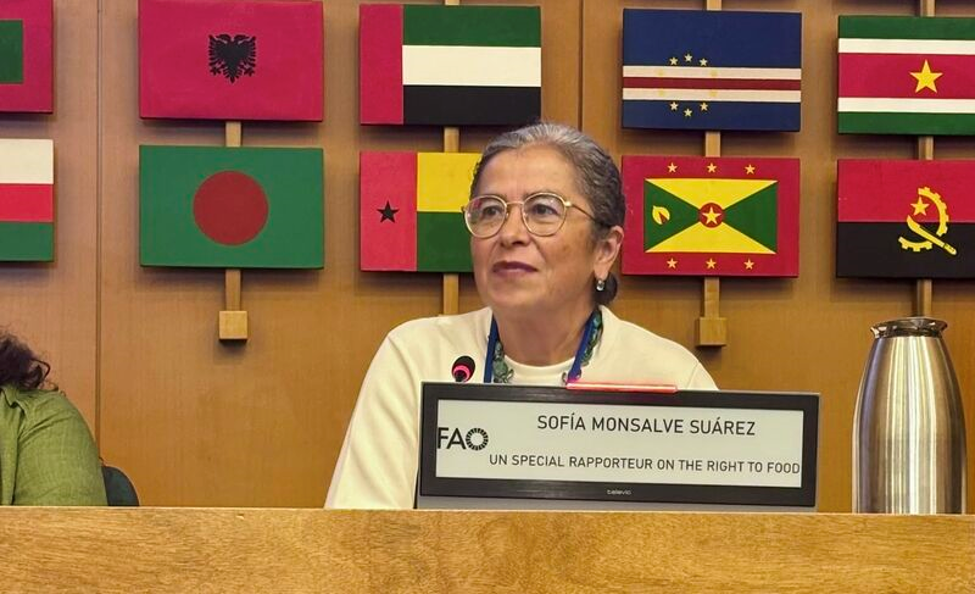
The Special Rapporteur’s position gives international human rights backing to an African-led campaign challenging the development model promoted by AGRA and supported substantially by the Gates Foundation.
More than 600 African faith leaders for the Bill & Melinda Gates Foundation to pay reparations to smallholder farming communities affected by agricultural programmes promoted through the Alliance for a Green Revolution in Africa (AGRA), and redirect funding towards African-led agroecology.
In an open letter delivered to the foundation on October 28, 625 faith leaders from more than 20 African countries, supported by 360 organisations and partners, called for a meeting with foundation representatives before its 2027 funding decisions. The delegation includes representatives from Kenya, Liberia, Botswana, Namibia, Malawi, Zimbabwe and South Africa.
AGRA was established by the Gates and Rockefeller foundations in 2006 to transform African agriculture through improved seed varieties, synthetic fertilisers, agricultural research, extension services and commercial market systems. Its original ambition was to double agricultural productivity and incomes for 20 million smallholder households and halve hunger and food insecurity across 20 countries by 2020.
However, research by Tufts University, based on 18 years of United Nations Food and Agriculture Organisation data, found that the number of undernourished people across AGRA’s 13 focus countries rose by 55 million during the period.
The study also found that Senegal, which was not among AGRA’s focus countries, halved its number of undernourished people while using approximately half as much fertiliser per hectare as the AGRA countries.
The study, published in August 2026, found that staple crop yields grew by an average of 1.2 per cent annually after AGRA’s establishment, compared with 1.3 per cent in the 12 years before the initiative began. More significantly, the expansion in agricultural production came largely from increasing cultivated land rather than substantial improvements in productivity. Maize production rose by 139 per cent, but 71 per cent of that growth resulted from expanding the area under cultivation.
The researchers also identified a decline in traditional food crops, with the combined share of cultivated land under millet and sorghum falling from 25 per cent to 17 per cent, while millet production declined by 27 per cent.
These findings have intensified concerns about the ecological and economic consequences of promoting agricultural systems that depend heavily on commercial inputs and a narrower range of crops, particularly in regions increasingly exposed to drought and unpredictable rainfall.
Monsalve Suárez argues that the current food system, characterised by industrial monocultures, dependence on fossil fuel-based inputs and the overexploitation of ecosystems, compounds these vulnerabilities.
In their letter, the faith leaders want reparations to address what they describe as the environmental and social damage associated with industrial agricultural interventions, including biodiversity loss, soil degradation and the erosion of farmer-managed seed systems.
The campaign also wants African farmers and communities to have a greater role in determining agricultural policies and investment priorities rather than relying on externally designed development models.
The Gates Foundation has acknowledged that AGRA failed to achieve its original objectives, accepting responsibility as one of the initiative’s principal funders. In a November 2 statement reflecting on two decades of agricultural investment, Enock Chikava, the foundation’s director of economic opportunity for Africa, said the initiative had not met its targets.
“These goals were not met and civil society organisations have urged accountability for this failure. We agree. As a longtime funder, we share responsibility,” he said. Chikava acknowledged that increased agricultural productivity had not translated into the improvements in food security and farmer incomes required across the continent.
AGRA also acknowledged that it failed to achieve its ambition of transforming African agriculture, arguing that its original targets underestimated the resources and time required.
The organisation attributed some of its difficulties to conflicts, the Covid-19 pandemic, climate shocks and the 2022 food and fertiliser price crisis. It also pointed to the failure of some African governments to meet their agricultural investment commitments.
The organisation said it would place greater emphasis on soil restoration, climate resilience, diverse and nutritious crops, stronger agricultural value chains and government leadership in its next strategy.