
By James Arnott
Africa’s national parks are among the continent’s most valuable natural assets. They protect wildlife, forests, rivers and other ecosystems while supporting tourism and generating revenue. But their long-term survival depends increasingly on whether the people living around them also benefit from conservation.
This means that national parks cannot remain isolated islands of protection in landscapes where communities depend on the same land, water and natural resources. Their future requires a broader approach that connects protected areas with surrounding communities, farms, wildlife corridors and businesses through a shared conservation and economic development framework.
This requires a new model where conservation extend beyond park boundaries, and the economic benefits of protecting nature reach the people who live alongside it, with the ambition of creating landscapes where conservation and economic activities can coexist, rather than compete for space and resources.
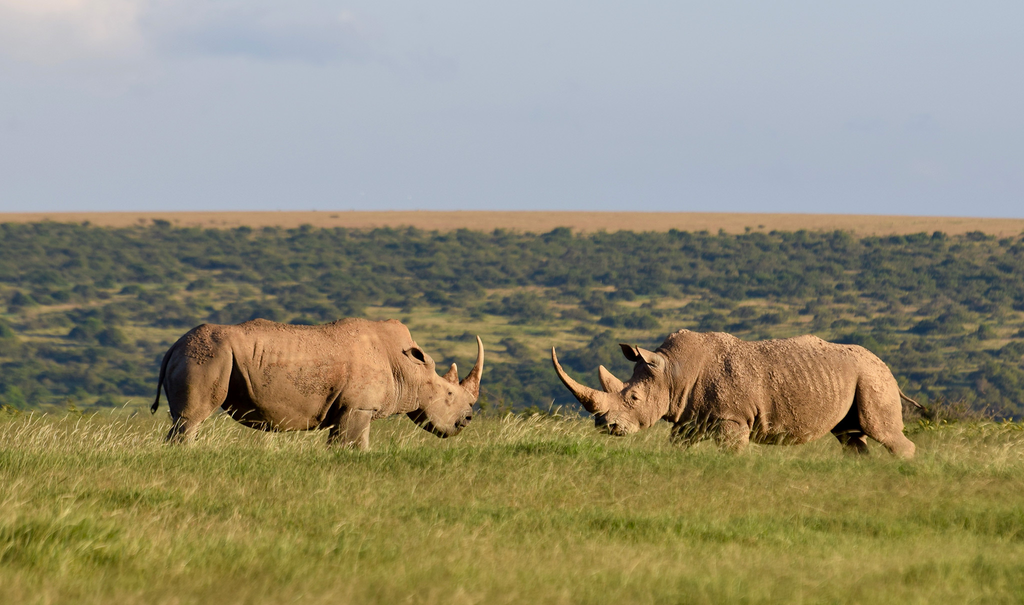
We must remember that wildlife does not recognise administrative boundaries. Elephants, lions and other animals move between protected areas and surrounding lands. Rivers, forests and ecological corridors also connect habitats across wider landscapes. When settlement, infrastructure, farming or other land-use changes disrupt these connections, wildlife movement becomes more difficult and conservation efforts within parks can be undermined.
Yet communities cannot reasonably be expected to accommodate wildlife, preserve corridors or surrender opportunities to use their land without understanding what they stand to gain. This is where the conservancy model becomes relevant. By bringing communities, government agencies, conservation organisations, landowners and businesses into a common planning process, it could provide a framework for deciding how land is used, where ecological connections should be protected and which economic activities are compatible with conservation.
Kenya already has experience to build on. Community conservancies have demonstrated how local participation can contribute to wildlife protection and livelihoods. The proposed model seeks to build on this experience by connecting established national park destinations with the surrounding landscapes through coordinated planning and investment.
Wildlife movement, pastoral livelihoods, agriculture, infrastructure and tourism are closely connected, and planning conservation within park boundaries alone cannot adequately address these competing demands. A wider landscape approach could create opportunities for community-owned tourism enterprises, conservation services, regenerative agriculture and other businesses that generate income while protecting the natural resources on which they depend.
The central test of the model is whether it can improve the lives of ordinary households, rather than concentrating economic gains among investors and established tourism operators.
Communities living alongside wildlife bear substantial costs, including crop destruction, livestock losses, threats to human safety and restrictions on how land and natural resources can be used. Where conservation brings few economic benefits, local support for wildlife protection can weaken.
Reliable income, employment, community enterprises and meaningful participation in decision-making could help address this imbalance. Tourism demand must translate into local jobs, business opportunities, community revenue and investment in shared priorities.
Communities must also have a say in determining the future of their landscapes through transparent governance, recognition of land and resource rights, informed consent and mechanisms for holding managers and investors accountable are essential. Without these safeguards, community-led conservation risks becoming another development model in which local people bear the costs while others capture the benefits.
The new model appreciate that tourism cannot be expected to finance every conservation need. Therefore, ecological restoration, wildlife monitoring, community engagement, land-use planning and the protection of wildlife corridors will require substantial investment before commercial returns become available.
Some activities may never generate sufficient revenue on their own. Public funding, philanthropic support, conservation finance and appropriately structured private investment will therefore remain necessary.
The challenge is to ensure that investment supports conservation and community priorities rather than encouraging developments that deliver short-term returns at the expense of ecological integrity.
Kenya should explore how the model can complement existing conservation financing mechanisms, including tourism revenues, community conservancy funding and emerging nature-related investment opportunities. The objective should be to expand resources for conservation while ensuring that communities receive a fair share of the economic value generated by their landscapes.
While national parks must remain protected, their long-term survival will depend increasingly on whether the surrounding landscapes are also places where communities can build secure livelihoods and see a future in conservation.
The writer is conservationist at Rewilding Africa CIC, james@rewildingafrica.org.uk