
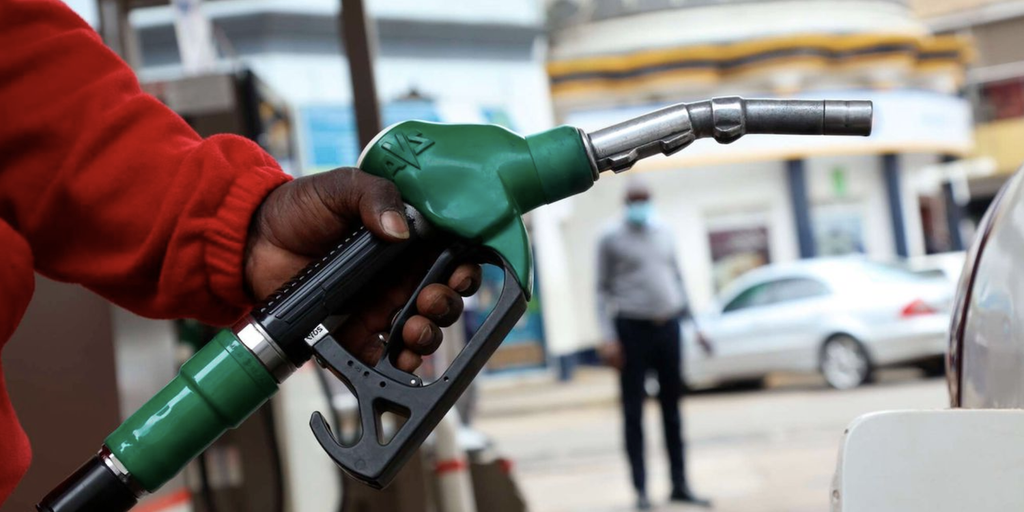

Kenya is grappling with a fresh economic jolt following the April 15, 2026 fuel price hike, which initially pushed super petrol to KSh 206.97 and diesel to a historic KSh 206.84.
However, in a late Wednesday review, prices were adjusted downward, offering slight relief. In Nairobi, super petrol now retails at KSh 197.60, diesel at KSh 196.63, and kerosene at KSh 152.78.
Despite the reduction, the broader economic strain remains, underscoring the country’s continued vulnerability to global oil market shocks.
The earlier spike, driven by geopolitical tensions and disruptions along key oil supply routes, exposed Kenya’s heavy reliance on imported fossil fuels.
Almost immediately, the effects rippled across the economy. Transport costs surged, triggering a chain reaction that pushed up food prices and the cost of essential goods.
For many households, the pressure continues to build. Inflation stood at 4.4% in March 2026, and economists warn that fuel volatility could sustain upward pressure in the coming months.
At the core of the crisis is Kenya’s dependence on petroleum imports. In 2023 alone, the country spent KSh 628.4 billion on fuel, placing significant strain on foreign exchange reserves.
This reliance leaves the economy exposed to external shocks—from currency fluctuations to geopolitical instability beyond national control.
Beyond the economic toll, the environmental cost is equally significant. Fossil fuel consumption remains a major contributor to greenhouse gas emissions, intensifying climate change impacts.
Kenya is already experiencing these effects through erratic rainfall, prolonged droughts, and growing pressure on food systems and water resources.
Yet within the crisis lies a potential turning point. Even with the latest price adjustment, the volatility is accelerating momentum toward cleaner and more sustainable energy alternatives.
In February 2026, the government launched the National Electric Mobility Policy, targeting emissions reductions in the transport sector while enhancing energy security.
Fiscal incentives, including zero-rated VAT and reduced excise duties on electric vehicles and batteries, are beginning to reshape market dynamics.
The shift is increasingly visible on the streets of Nairobi, where more electric buses and motorcycles are now plying key routes, signaling early adoption of low-carbon transport solutions.
The e-mobility sector has grown rapidly. By 2025, Kenya had registered over 39,000 electric vehicles, reflecting a sharp rise in uptake within a short period.
Private sector players are expanding electric fleets, investing in local assembly, and developing charging infrastructure across urban centers.
For consumers and operators, the economic argument is strengthening. Electric vehicles offer significantly lower operating costs, with savings of up to 85% per kilometer compared to petrol-powered alternatives.
However, structural challenges remain. Charging infrastructure is still limited, and high upfront costs continue to slow mass adoption.
Even so, the current fuel volatility is shifting perception. Clean energy is increasingly viewed not just as an environmental priority, but as a buffer against economic instability.
As Kenya navigates ongoing price fluctuations, the push toward sustainable energy systems is gaining urgency.
The recent price drop may offer temporary relief, but it does little to change the underlying reality—fuel dependency remains a structural risk.
In the long run, this cycle of price shocks could serve as a decisive trigger, pushing Kenya toward a cleaner, more resilient, and economically stable energy future.