
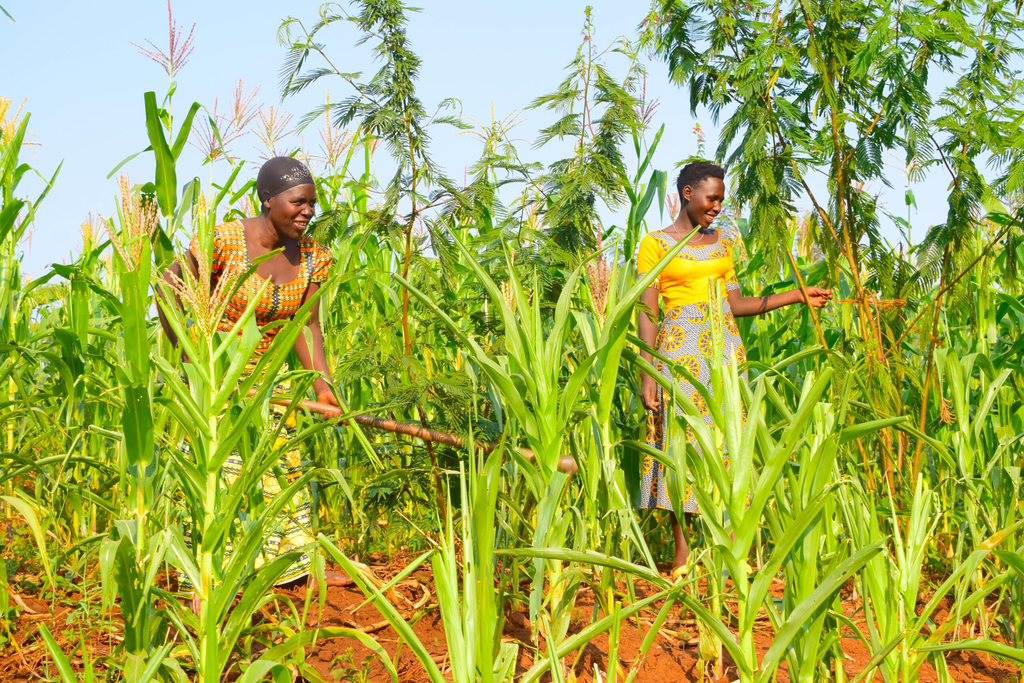

Rwanda is intensifying its push toward Climate Smart Agriculture (CSA), positioning it not merely as a project, but as a national solution to the growing pressures of climate change on food systems.
The approach reflects a critical shift. It moves away from fragmented, short-term interventions toward a coordinated, policy-driven model anchored firmly in resilience and long-term productivity.
The government’s strategy integrates climate adaptation directly into agricultural planning and rural development. This alignment ensures that farming systems are not only productive but also capable of withstanding erratic weather patterns and environmental stress.
“Climate Smart Agriculture is not an option anymore; it is a necessity for safeguarding our food systems and livelihoods,” a senior official from Rwanda’s agriculture sector noted during recent engagements around the rollout.
The emphasis across the country is now squarely on long-term sustainability rather than chasing short-term yield gains that often degrade the environment.
Across Rwanda’s hilly terrain, farmers are increasingly adopting soil conservation measures such as terracing and agroforestry. These practical steps are helping to reduce erosion while simultaneously improving soil fertility and water retention in highly vulnerable landscapes.
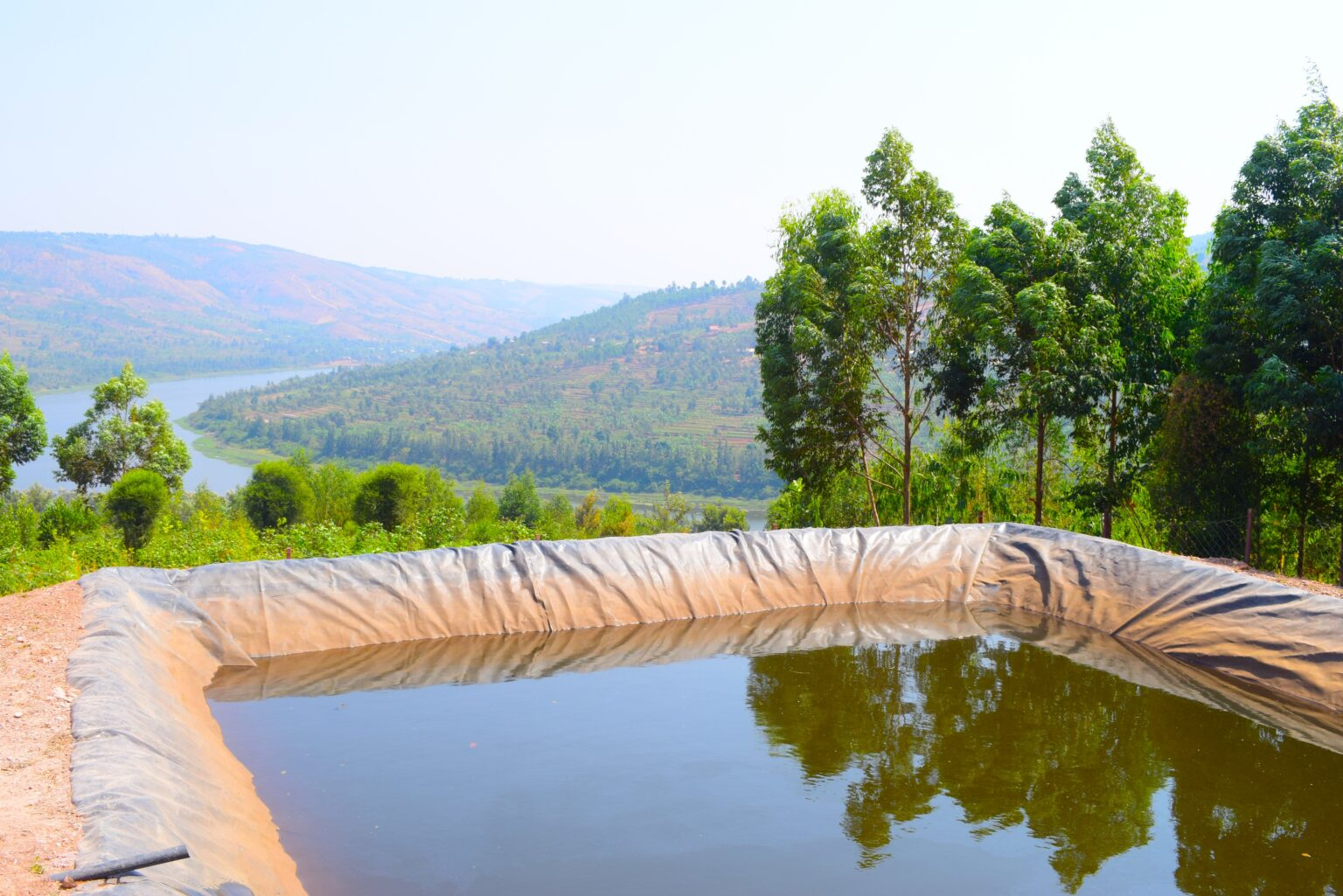
Investment in irrigation infrastructure is also expanding rapidly. By reducing the historical reliance on unpredictable rainfall, Rwanda is actively stabilizing its agricultural output in the face of increasingly erratic seasons.
Farmer support systems remain central to this national transition. Extension services are being strengthened to provide practical, hands-on training that translates high-level policy into tangible action at the grassroots level.
Access to climate information forms another critical pillar of the Rwandan model. Timely weather forecasts and advisory services are enabling farmers to make informed, data-backed decisions on their planting and harvesting cycles.
The lessons emerging from Rwanda carry direct and urgent relevance for Kenya and the wider East Africa region, where similar, often more severe, climate risks persist.
Droughts, floods, and land degradation continue to threaten agricultural productivity and cross-border food security. The Global Report on Food Crises has repeatedly highlighted how climate shocks are deepening hunger across the region.
One of the most important takeaways from the Rwandan experience is the absolute need for integration. CSA initiatives are proven to be most effective when they are embedded within national frameworks, rather than implemented as isolated, donor-dependent projects.
There is also a clear, pressing need to scale extension services across East Africa. Farmers require consistent engagement and technical support to adopt and, crucially, sustain climate-smart practices over time.
Water management presents another urgent opportunity for regional adaptation. Expanding irrigation and promoting rainwater harvesting can significantly reduce the vulnerability of smallholder farmers to sudden climate shocks.
Data and technology will play an increasingly critical role in this transition. Localized climate information systems can dramatically enhance decision-making and reduce financial risks at the farm level.
“Scaling Climate Smart Agriculture requires more than technology; it requires systems that work for farmers,” noted a regional agricultural expert involved in climate resilience programs.
This observation highlights the importance of robust institutional coordination and sustained, targeted investment in rural communities.
Financing, however, remains one of the biggest constraints to scaling CSA across the region. Blended finance models and targeted climate funding will be essential in bridging this significant investment gap.
Private sector participation can further accelerate this progress. Innovations in agri-tech, supply chains, and market access have the potential to reinforce resilience across the entire agricultural value chain.
Rwanda’s approach demonstrates that meaningful transformation is achievable when policy, investment, and community engagement are properly aligned. It offers a practical roadmap rather than just another theoretical framework.
For Kenya and its neighbors, the challenge now lies in adaptation and scale. The sheer urgency of climate change demands faster implementation and stronger coordination across all sectors of the economy.
The future of food security in East Africa will depend heavily on how effectively these lessons are applied. Climate Smart Agriculture is no longer a choice, but a fundamental necessity for building resilient and sustainable food systems.