


Kenya’s ambitious push toward green energy and electric mobility could suffer a major setback if proposals contained in the Finance Bill 2026 are adopted.
Industry players and environmental analysts are warning that the proposed tax measures may reverse gains made in the country’s fast-growing electric vehicle sector.
The proposed law seeks to introduce a 16 percent Value Added Tax (VAT) on electric vehicles, lithium-ion batteries and electric bicycles, effectively removing incentives that had helped position Kenya as one of Africa’s leading electric mobility markets.
The move has triggered concern among climate advocates, renewable energy investors and e-mobility startups who argue that the tax proposals contradict Kenya’s public commitments on climate action and clean energy transition.
According to the proposals, the standard VAT would now apply to imported electric buses, motorcycles, battery packs and charging infrastructure, increasing operational costs for firms that depend heavily on imported technology.
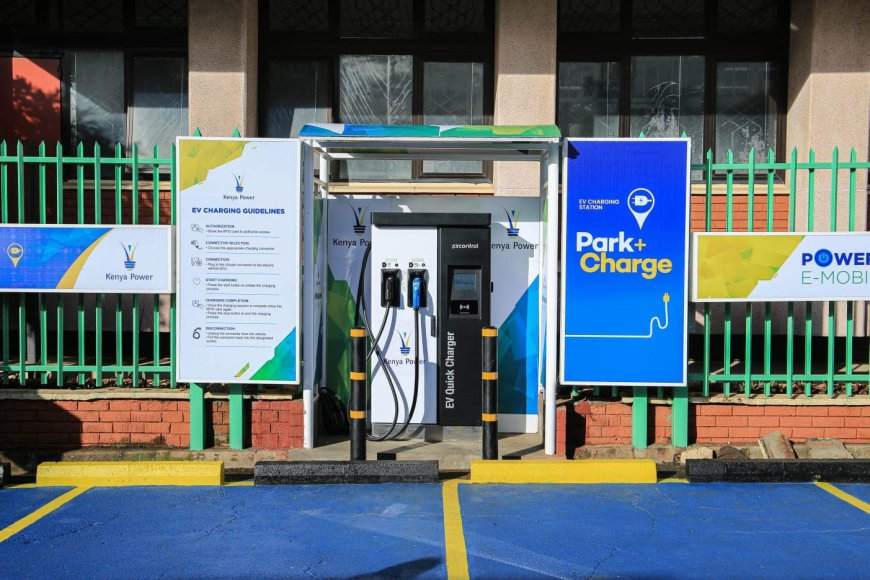
The proposed tax comes at a time when Kenya has been marketing itself globally as a climate leader and a regional hub for green innovation. The country already generates more than 90 percent of its electricity from renewable sources such as geothermal, hydro, wind and solar energy, giving it one of the cleanest electricity grids in Africa.
Industry analysts say the Finance Bill risks undermining that advantage. According to Ethical Business Africa, the proposal is a “strategic incoherence dressed in fiscal clothing,” arguing that the government was simultaneously trying to cushion Kenyans from rising fuel costs while taxing technologies designed to reduce dependence on fossil fuels.
The concerns emerge against the backdrop of soaring global oil prices and rising fuel costs in Kenya. Diesel prices in Nairobi recently crossed record levels amid geopolitical tensions in the Middle East, increasing transport and production costs across the economy.
Critics argue that instead of accelerating electric mobility to reduce exposure to global oil shocks, the government is making clean transport more expensive.
The tax proposals could particularly affect electric mobility startups that have expanded rapidly across East Africa in recent years, which have invested heavily in electric buses, motorcycles, battery-swapping infrastructure and charging networks.
Kenya’s EV market has grown significantly in recent years. Reports indicate that registered electric vehicles rose from fewer than 1,000 units in 2022 to more than 24,000 by the end of 2025, driven by tax incentives, startup expansion and increasing investment in battery-swapping infrastructure.
However, sector players fear the 2026 Finance Bill could slow investor confidence and discourage adoption at a critical growth stage.
Because most EV components are still imported, analysts say the proposed VAT will immediately translate into higher retail prices for electric buses, motorcycles and batteries.
That could make electric transport less competitive compared to conventional fossil fuel-powered vehicles despite rising fuel prices.

The proposals have also revived debate about the consistency of Kenya’s climate policies. While the government has unveiled a National Electric Mobility Policy and repeatedly pledged commitment to decarbonisation and green growth, critics argue that taxation policy is moving in the opposite direction.
The Finance Bill also comes barely two years after widespread public backlash against the Finance Bill 2024, which had similarly proposed VAT on electric bicycles, electric buses, solar products and lithium-ion batteries before some clauses were amended following nationwide protests.
Environmental groups say the recurring attempts to tax green technologies suggest a broader policy contradiction within government.
Analysts warn that weakening incentives for renewable technologies could slow Kenya’s progress toward reducing emissions from the transport sector, one of the country’s fastest-growing sources of carbon pollution.
Beyond electric vehicles, critics say the broader tax direction may also hurt digital and green innovation ecosystems. Proposed increases in taxes on electronic devices and digital services could affect access to smart technologies increasingly used in climate adaptation, energy management and environmental monitoring.
There are also fears that heavy dependence on petroleum taxes for government revenue is creating a structural conflict between fiscal policy and climate goals. Kenya continues to collect significant revenue through fuel levies and petroleum taxes, even as it promotes green transition rhetoric internationally.
Observers say this creates an economic incentive to maintain fossil fuel consumption rather than to aggressively accelerate alternatives, such as electric public transport and renewable-powered mobility systems.
Climate and energy experts argue that countries serious about green transition are increasingly introducing subsidies, tax breaks and investment incentives for EVs and renewable technologies rather than expanding taxation on them.
Several countries globally continue offering VAT exemptions and incentives for electric vehicles to encourage adoption and reduce emissions.
In contrast, Kenya’s new proposals risk making the country less attractive to green investors at a time when African e-mobility is beginning to attract substantial international funding.
Analysts now warn that, unless Parliament revises the proposals, the Finance Bill 2026 could slow Kenya’s transition to clean transport, weaken investor confidence in green industries, and expose the economy to prolonged dependence on expensive imported fossil fuels.