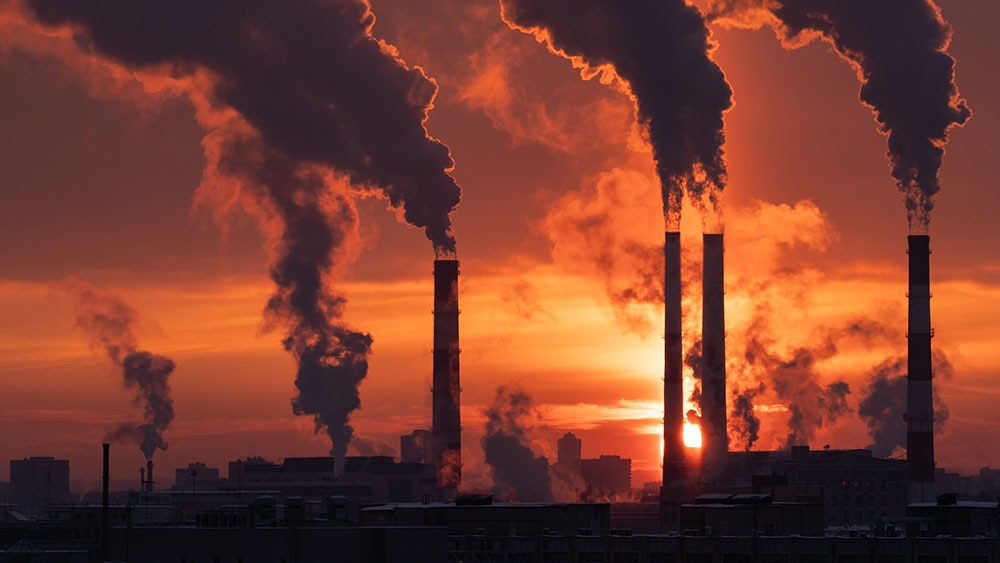

Governments across the world have been urged to take urgent action on air pollution to help deal with a silent epidemic of noncommunicable diseases (NCDs) responsible for millions of deaths worldwide.
A report titled, A Breathable Planet: Best Practices for Clean Air Policies to Meet NCD Targets, released by the NCD Alliance with support from Haleon, says air pollution causes nearly eight million deaths annually, with 86 percent linked to NCDs such as heart disease, stroke, chronic respiratory illnesses, dementia, diabetes and cancer.
The warning comes as Kenya continues grappling with rising cases of asthma, hypertension, stroke and other chronic illnesses, especially in urban areas heavily affected by traffic emissions, industrial pollution and the use of dirty cooking fuels.
According to the World Health Organiastion (WHO), noncommunicable diseases account for about 39 percent of all deaths in Kenya, with air pollution increasingly recognised as a major contributor.
The new report argues that despite the scale of the crisis, air pollution still receives far less policy attention than other health risks.
“Clean air policies bring shared benefits for health, equity, the economy and the environment. Acting on air pollution is not only essential for reducing the NCD burden, but also for achieving sustainable development,” said Liz Arnanz, NCD Alliance Policy and Advocacy Manager.
The report highlights practical and cost-effective interventions already working in several countries and cities, including restricting vehicle emissions, expanding access to clean public transport, phasing out fossil fuels and investing in cleaner household energy.
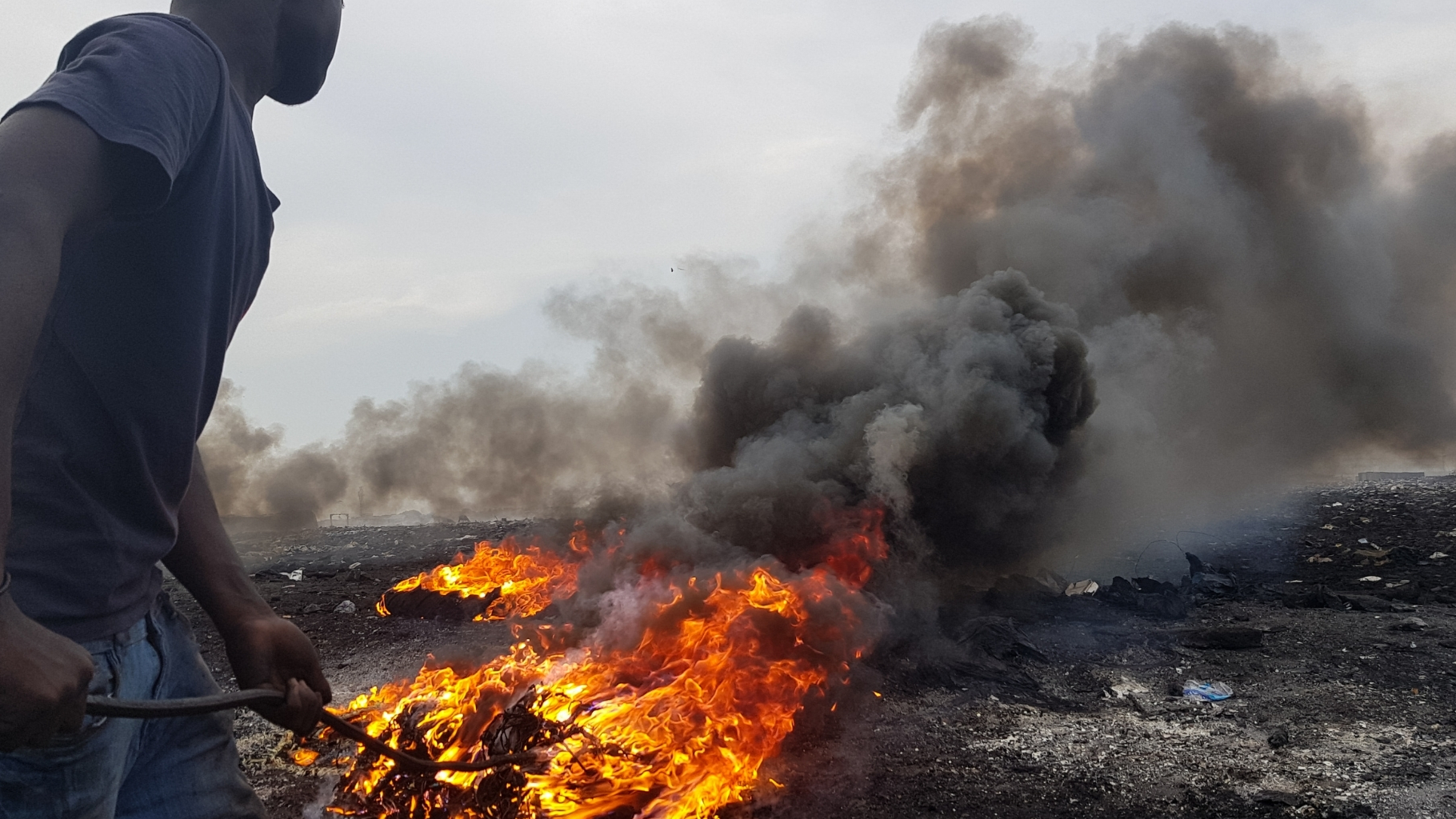
For Kenya, where many households still rely on charcoal, kerosene and firewood for cooking, public health advocates say cleaner energy transitions could significantly reduce respiratory diseases among women and children.
The report also comes months after countries committed through the 2025 UN Political Declaration on NCDs and Mental Health to strengthen action on air pollution as part of broader efforts to tackle chronic diseases.
However, health experts warn that political promises must now translate into concrete policies and financing. “What this report makes clear is that the challenge is making political and financing decisions consistent with public health goals,” said Jose Luis Castro, WHO Special Envoy.
“Governments now face fundamental choices on whether to continue subsidizing systems that drive chronic respiratory disease, whether prevention will truly become a cross-government priority, and whether air pollution will finally be integrated into NCD and development strategies rather than treated as a separate environmental issue,” he added.
Castro noted that communities do not experience air pollution, climate change and chronic diseases as separate crises, even though governments often address them independently.
In Kenya, environmental activists and health organisations have repeatedly raised concerns over rising vehicle emissions, unregulated industrial pollution and weak enforcement of air quality regulations.
The report warns that low- and middle-income countries bear the heaviest burden of air pollution-related diseases, deepening existing health and economic inequalities.
It further notes that clean air policies offer economic gains by lowering healthcare costs, improving productivity and supporting climate goals.
With the UN High-Level Meeting on Universal Health Coverage scheduled for 2027 and ongoing global climate negotiations, the report urges governments not to lose momentum in implementing clean air commitments.