

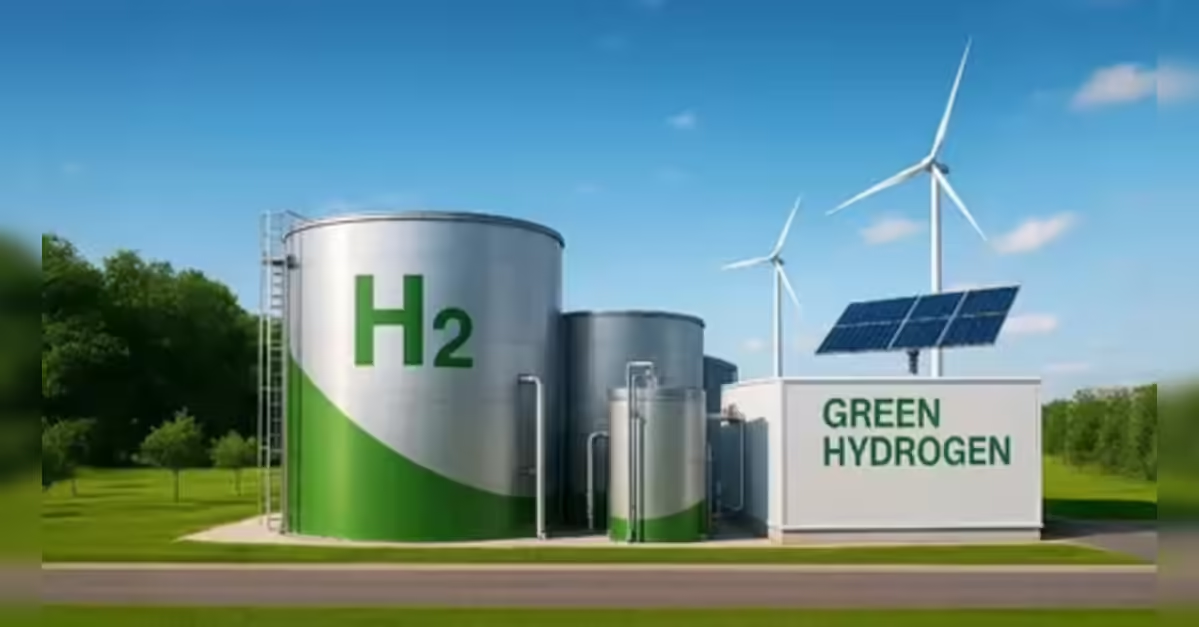
Nairobi recently hosted the 4th Green Hydrogen Symposium, a pivotal event co-hosted by the governments of Kenya and Germany. This gathering underscored Africa’s strategic shift towards green hydrogen. It is now seen not just as an energy transition tool, but as a foundational platform for green industrialization. This initiative aims to foster regional integration and boost export growth across the continent.
Kenya possesses a significant competitive advantage in this emerging sector. Over 90 percent of its national grid is already powered by renewable sources. Geothermal, wind, hydro, and solar energy provide a robust foundation. This allows the country to produce low-cost green hydrogen at scale, positioning it as a leader in sustainable energy.
The symposium showcased an impressive new project pipeline. This includes an upcoming green hydrogen project slated for Nyeri. Furthermore, a newly integrated green hydrogen curriculum will be introduced in TVET institutions. This will train a specialized local workforce, ensuring sustained growth and expertise in the sector.
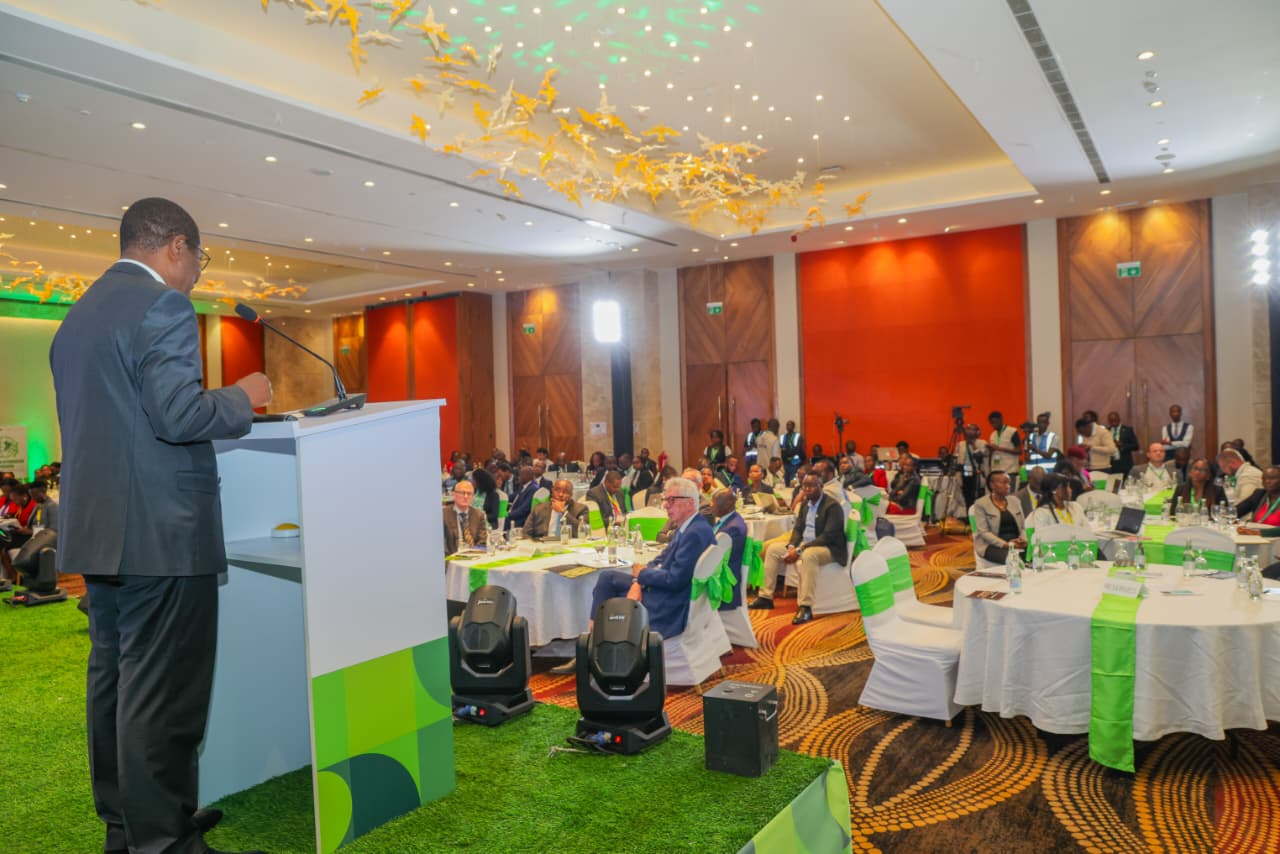
Nairobi also recently welcomed the major Africa Forward Summit. This event saw European and African business leaders commit substantial investments. Roughly €27 billion ($31.5 billion) was pledged across 30 clean energy and infrastructure projects. These commitments signal a strong belief in Africa’s green future.
East Africa is set to benefit significantly from these new deals. Infrastructure investor Meridiam announced a $200 million investment. This will double the capacity of Kenya’s Kipeto Wind Project. This expansion highlights the growing confidence in Kenya’s renewable energy potential. It also demonstrates a commitment to scaling up clean power generation.
TotalEnergies also pledged $400 million towards vital clean cooking initiatives. These efforts will stretch across Kenya, Uganda, and Tanzania, addressing critical energy needs. This investment will help millions transition from traditional biomass fuels. It will improve health outcomes and reduce deforestation across the region.
At a community level, initiatives are already making a tangible difference. The KPC Foundation and Vivo Energy Kenya launched a localized clean cooking program in Mombasa County. They distributed LPG kits to vulnerable households in Jomvu Kuu. This directly combats indoor air pollution and reduces deforestation caused by charcoal and firewood use. Such grassroots efforts are crucial for equitable energy access.
Nairobi is also preparing to host the global Second Summit on Clean Cooking in Africa later this year. This crucial summit will address access for nearly one billion people across the continent. These individuals still lack clean cooking solutions, highlighting the urgent need for continued innovation and investment. The summit aims to accelerate solutions and mobilize further resources.
Kenya is at the forefront of driving these transformative changes. Its proactive approach to green hydrogen and renewable energy positions it as a beacon of sustainable development. The nation is not only securing its own energy future but also paving the way for a greener, more prosperous Africa. This commitment to innovation and collaboration sets a powerful example for the entire continent.