

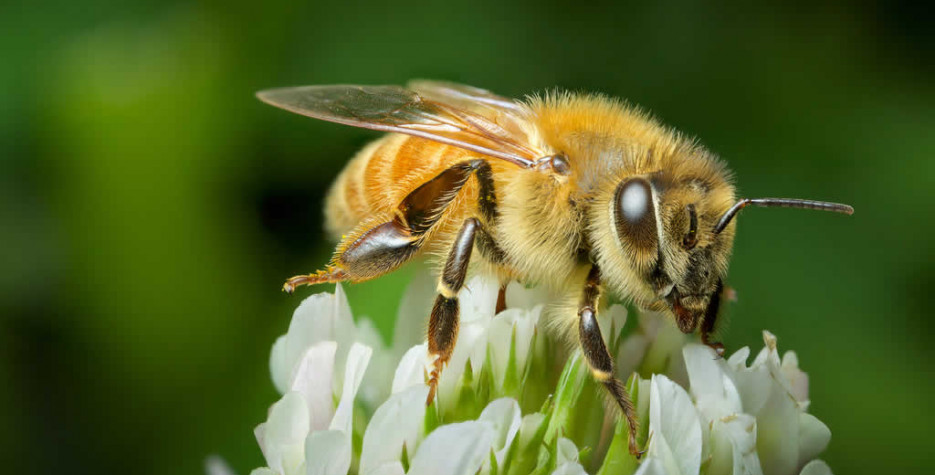

The Kenya Forest Service (KFS) has partnered with the National Bee Institute to train its officers in sustainable beekeeping and management. Hosted at the Ngong’ Road Forest, the institute will equip KFS officers to promote apiculture among Community Forest Associations (CFAs). These officers will play a critical role in ensuring that forests remain safe habitats for bees and other vital pollinators.
As the globe marks World Bee Day, the ecological importance of bees is in the spotlight. Despite their major role in maintaining ecological balance, bees remain highly threatened by emerging environmental degradation across the continent. Their populations are increasingly declining due to the adverse effects of pesticides, herbicides, habitat loss, and climate change driven by human activities.
In a press statement, Chief Conservator of Forests Alex Lemarkoko highlighted the value of the new collaboration. He noted that the initiative will empower KFS officers, who serve as the primary protectors of Kenya’s forests with the support of CFAs.
“This partnership marks a significant milestone in advancing bee conservation, apiculture development, environmental awareness, and community empowerment,” said Lemarkoko. “It also demonstrates the importance of collaborative approaches in addressing environmental challenges while improving livelihoods and building resilient ecosystems.”
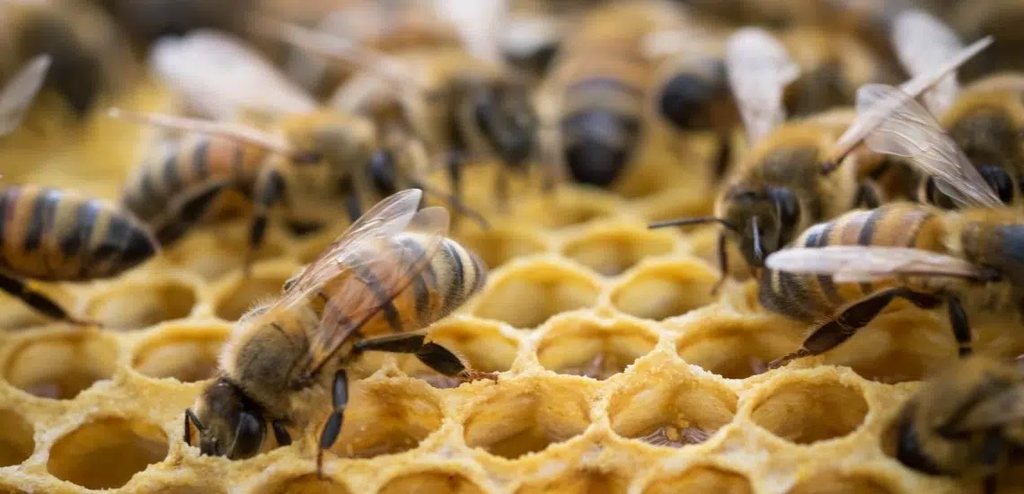
The partnership aims to promote sustainable beekeeping and apiculture-based livelihoods while enhancing the conservation of bee habitats within forest ecosystems. It will also support research, training, and knowledge exchange on pollinator conservation. Furthermore, the initiative seeks to empower forest-adjacent communities through income-generating activities linked to beekeeping.
These efforts will encourage the restoration of degraded landscapes using bee-friendly and indigenous tree species. Ultimately, the collaboration is expected to strengthen climate change mitigation and biodiversity conservation initiatives across the country.
“The decline in pollinator populations poses a significant risk not only to biodiversity and ecosystem stability but also to national food systems and rural livelihoods,” Lemarkoko added. “This calls for urgent and collective action from governments, communities, institutions, and individuals.”
Currently, Kenya faces a critical honey deficit, producing only 19,000 metric tonnes against a national demand of over 43,000 metric tonnes. To meet this shortfall, the industry relies heavily on imports. According to the Directorate of Livestock Production, the decline of bee populations due to environmental degradation and pesticide use severely threatens this essential sub-sector.



This reads well. It would have been important to explain what apiculture is to readers interacting with the word the first time.