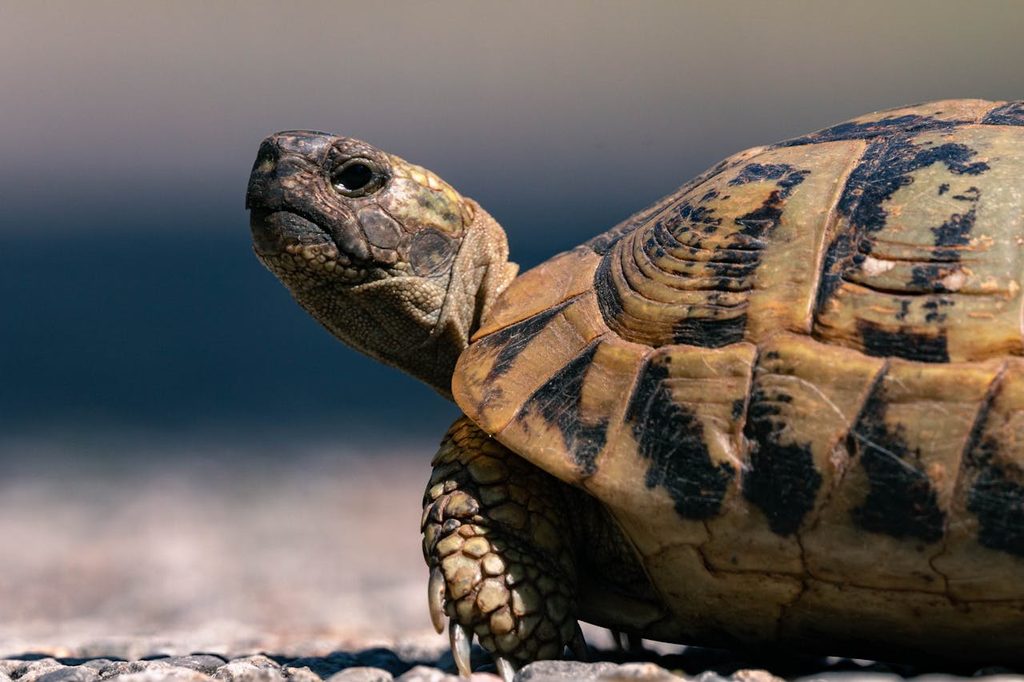

Chameleons and tortoises are among the most exported live animals from Kenya, according to a new study that has raised alarm over the country’s rapidly expanding role in the global exotic wildlife trade.
The study found that 77 percent of the species exported from Kenya between 2013 and 2023 had populations in the wild that were either declining or poorly documented, raising fresh concerns about the long-term conservation impact of the trade.
Among the species identified in the exports were the critically endangered pancake tortoise, endangered grey parrots and sun parakeets, as well as vulnerable species such as the African lion and Hermann’s tortoise.
According to the report, more than 870,000 live animals were exported internationally from Kenya during the ten-year period, with reptiles accounting for the overwhelming majority of the trade.
The study, titled Rising Reptile Trade from Kenya: Analysis of CITES-Listed Captive-Bred Wildlife Exports, found that reptiles accounted for 81 percent of all exports recorded, followed by birds at 15 percent and mammals at 4 percent.
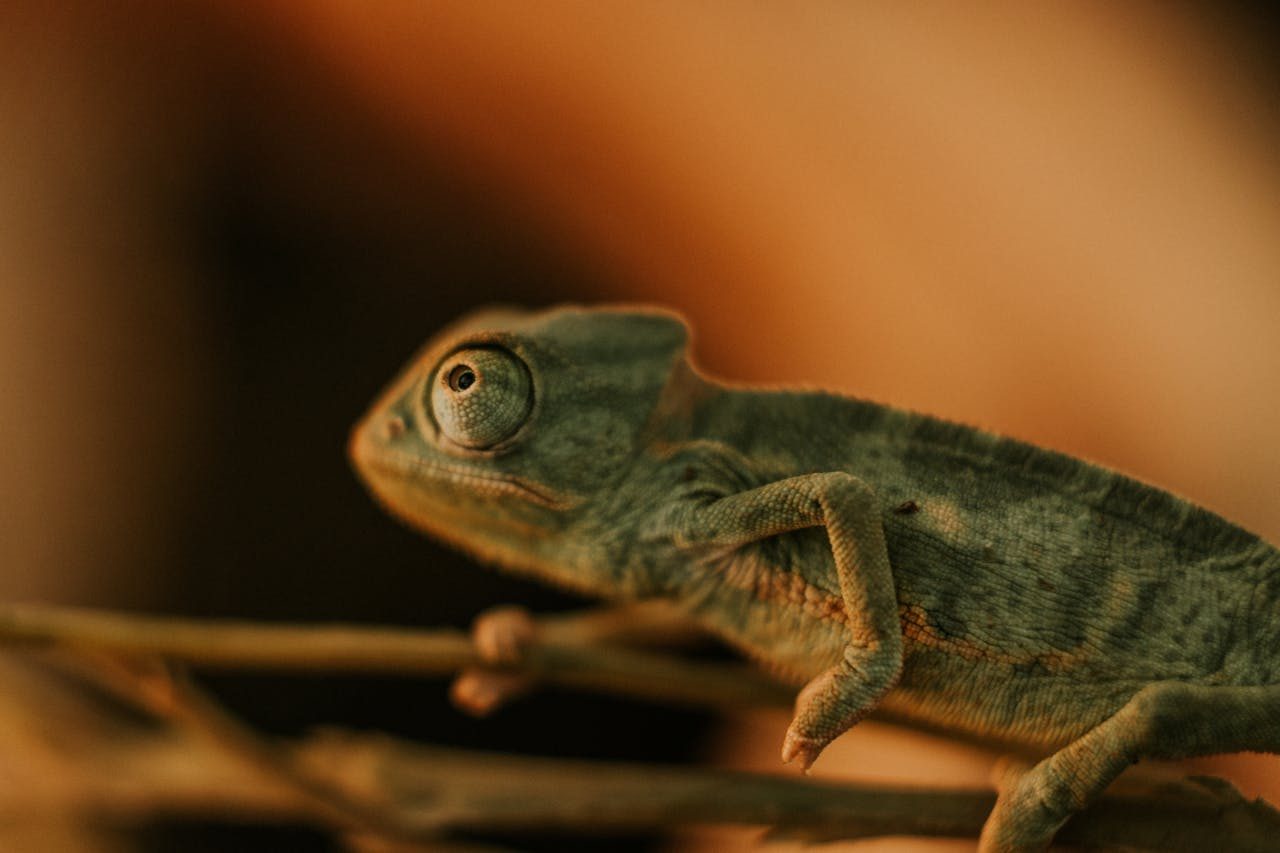
The report shows that live reptile exports increased tenfold over the decade, rising from 8,551 individuals in 2013 to 86,330 in 2023, reflecting what researchers described as a rapidly growing commercial trade in captive-bred and ranched wildlife.
The researchers said the surge in reptile exports reflects Kenya’s growing position as a supplier to the global exotic pet and luxury wildlife market, with most exports destined for the United States, Germany, Spain, Taiwan and South Korea. More than 93 percent of the exports were classified as commercial trade.
The report raises concerns over the sustainability and regulation of the trade, warning that captive-breeding systems can sometimes be used to disguise illegally sourced wildlife collected from natural ecosystems.
Researchers also pointed to “substantial discrepancies” between exporter-reported and importer-reported quantities in CITES records, which they said could signal weaknesses in monitoring, enforcement and traceability systems.
“Kenya’s expanding wildlife exports raise concerns about traceability and the potential for negative conservation outcomes,” the researchers noted in the report.
The findings come amid increasing global scrutiny of the exotic pet industry and growing fears among conservationists that wildlife laundering through captive-breeding permits could place further pressure on already vulnerable species.
The study further warns that the international movement of live reptiles and other exotic animals poses biosecurity and animal welfare risks, including the spread of diseases and ecological disruption if trade is poorly regulated.
Researchers are now calling for tighter oversight of breeding facilities, improved traceability mechanisms and stronger international cooperation to ensure Kenya’s wildlife trade does not undermine biodiversity conservation efforts.